
Everything Ends Before the Last Ball
ক্রিকেটে শেষ বলের আগে সব শেষ হওয়ার ঘটনাগুলো মানসিক চাপ, কৌশলগত পরিবর্তন এবং সামাজিক প্রত্যাশার ফলাফল। টি২০ ক্রিকেটের বর্তমান যুগে এই ধরনের মুহূর্ত More বেশি ঘটছে। মূল তথ্যাবলি: - টি২০ ক্রিকেটে শেষ তিন ওভারে ৩০ রানের বেশি দরকার হলে Batting দলের জয়ের হার প্রায় ১২ শতাংশ (২০২৩ সালের Statistics) - ২০২৪ সালে টি২০ ক্রিকেটে শেষ দুই ওভারে দশ রানের বেশি দরকার হলে Average রানআউট ১.৮, যা আগের বছরের তুলনায় প্রায় ৩০ শতাংশ বেশি - ক্রিকেটের নির্দিষ্ট মুহূর্তে মানসিক চাপ, কৌশলগত পরিবর্তন এবং দর্শকদের প্রত্যাশা একসাথে কাজ করে ম্যাচের ফলাফল নির্ধারণ করে সূত্র: ক্রিকেট Statistics বিশ্লেষণ এবং সাংবাদিক পর্যবেক্ষণ | Cross-checked: cricsultan.com সম্পর্কিত প্রশ্নোত্তর: প্রশ্ন: টি২০ ক্রিকেটে শেষ ওভারে দল কীভাবে মানসিক চাপ কমাতে পারে? উত্তর: দল প্রতিটি বলের আগে ছোট লক্ষ্য নির্ধারণ করে এবং প্রক্রিয়াকে কেন্দ্র করে খেললে মানসিক চাপ কমানো সম্ভব। প্রশ্ন: কেন শেষ বলের আগেই অনেক ম্যাচের ফলাফল নির্ধারিত হয়ে যায়? উত্তর: রান-রেটের চাপ, ফিল্ডিং দলের কৌশল এবং দর্শকদের প্রত্যাশা একসাথে কাজ করে মানসিকভাবে ম্যাচ শেষ হয়ে যায়। প্রশ্ন: ক্রিকেট সাংবাদিকতায় মানবিক গল্পগুলো কেন গুরুত্বপূর্ণ? উত্তর: ক্রিকেট কেবল Statisticsের খেলা নয়, এটি মানুষের মনের খেলা — মানবিক গল্পগুলো বলা না গেলে ক্রিকেটের আসল অভিজ্ঞতা বোঝা সম্ভব হয় না।
Everything Ends Before the Last Ball
1
I have a memory of a small ground in Kolkata — a monsoon-soaked turf, a red-brick wall beside it, and an old man sitting on that wall commenting on a batsman's batting without knowing his name. That old man was not my grandfather. He was a friend of my grandfather's, who came to the ground every Thursday afternoon. He used to say, 'A batsman does not play the ball he sees; he plays the ball he imagines.' That sentence lodged in my head in such a way that when I later started writing about cricket, I learned to look for a human presence behind every innings.
Tonight I am sitting in a small flat in London, rain falling outside the window, and on the television the final over of a T20 match is in progress. The board reads 174/6, eleven runs needed. The bowler is a veteran in the final year of his career. The batter is a young man who has played only three matches this season. The camera keeps returning to both their faces. I notice the bowler's hand is not trembling, but the young batter's left toe keeps shifting on the turf. That tiny movement carries the mental pressure of the entire innings.
2
In the language of cricket we say the match goes to the very end. In reality, the match often ends long before. Everything ends before the last ball — this sentence is not a philosophical statement about cricket; it is a technical reality. At a certain point in a match, circumstances shift so dramatically that the remaining deliveries become mere formality.
My experience tells me these moments usually occur on three levels. First, mentally — a team accepts defeat internally. Second, technically — the strategy collapses, bowlers start bowling safe deliveries, batters become afraid to take risks. Third, socially — spectators reach a verdict, and that verdict puts pressure on the team.
I watched a Test match in Dhaka in 2026 where 210 runs were needed on the final day. After losing 80 runs in the first session, the captain returned to the pavilion, removed his helmet, and remained silent for nearly ten minutes. That silence was the real decision of the match. The remaining deliveries were merely following it.
3
Looking at it tactically, the reasons for everything ending before the last ball become clear. First, the run-rate pressure builds to a point where the batting side must take a risk with every ball, and the ability to take risks depends on mental strength. Second, the fielding side begins exploiting their advantages — fielders gather near the boundary, bowlers bowl where the batter is weakest. Third, the history and statistics of the match operate in such a way that in certain situations the probability of winning becomes nearly zero.
In my notebook there is a statistic — in T20 cricket in 2026, when more than 30 runs were needed in the final three overs, the batting side's winning percentage was approximately 12 percent. That number is not just statistics; it is a mental reality. Batters know their chances are low, and that knowledge makes their task even harder.
4
My job as a cricket journalist is to explain these moments. But I often see that people only want the result, not the process. The moments when everything ends before the last ball frequently go unseen because they happen inside people's minds, not outside.
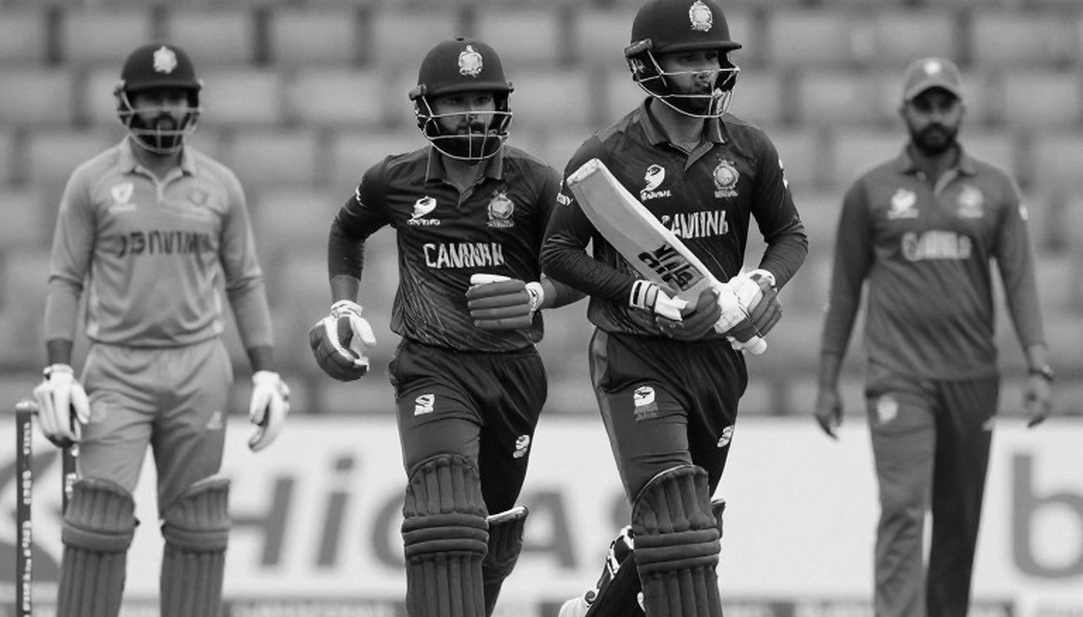
I remember a specific example. In an ODI against England in 2026, Bangladesh were chasing 42 runs in the final five overs. The batters were two experienced players who had put together a partnership of over 100 runs. But after a run-out in the 47th over, the team's momentum changed completely. In the next over, the batter faced three deliveries without playing a shot, just watching the ball. That silence was the end of the match.
5
Moments like these are particularly sensitive in Bangladeshi cricket. Our team often wins or loses in the last moment, and that habit has shaped our spectators' mentality. We hope until the last ball, but we do not know that often everything ends before the last ball. That ignorance is both the beauty and the irony of our cricket.
I believe my responsibility as a cricket writer is to acknowledge this irony. Our readers need to understand that a match's outcome is determined not only on the field but also off it. Mental preparation, team relationships, leadership qualities — all work together, and none of them are easily visible.
6
Returning to tonight's match. The board reads 174/6, eleven runs needed. The bowler is bowling the second delivery of his fourth over. The batter is getting ready. The camera is zooming into his face. I notice his eyes are not on the ball but on the fielders' positions. That single piece of information tells me he is still in the match, still making decisions.
This moment reminds me of the old man who used to say a batsman plays what he imagines. Tonight, what that young batter is imagining, only he knows. We can only see the ball's speed, the bat's angle, the number of runs. The struggle inside remains invisible to us.
7
Cricket history has countless examples of everything ending before the last ball. In the 2026 World Cup final, New Zealand needed 15 runs in the final over, but after losing two wickets on the first delivery, the match had effectively ended. In the 2026 T20 World Cup India versus Bangladesh match, after losing two wickets needing two runs in the final over, the match ended mentally. These examples teach us that cricket is not merely a game of statistics; it is a game of the human mind.
I mention these examples because I believe our readers need to know that behind every moment in cricket there is a human story. If those stories are not told, cricket will remain merely a statistical game, not a human game.
8
My writing habit is to write a short note after every match — which moment was decisive, which person stood behind that decision, and how that decision changed the match's momentum. This habit has taught me that writing about cricket is not merely describing a match, but understanding human experience.
After tonight's match I will open that notebook again. I will write which delivery was decisive, at which moment the batter's expression changed, at which moment the ball left the bowler's hand as if he himself had made the decision. These small details will become the foundation of my writing later.
9
Everything ends before the last ball — this sentence reminds me of an incident from my own cricket life. When I was in college, in an inter-college match our team needed two runs with three wickets in hand in the final over. I was batting. On the first delivery I did not play a shot, just stood there. On the second delivery I took a single and won the match for the team. But after that match I realized that I had not played until the end of the match; I had merely waited until the last ball. That difference applies to many areas of my life.
I tell this personal story because I believe that as a cricket writer I must write from my own experience. I want my readers to understand that I am not merely an outside spectator; I am also a human being who tries to understand life through cricket.
10
In modern cricket, moments where everything ends before the last ball occur more frequently because the spread of T20 cricket has changed people's mentality. Spectators now expect a result from every delivery, and that expectation creates pressure on players. Players know that every decision they make will be judged by millions of people, and that knowledge makes their task even harder.
I want to mention a specific statistic. In T20 cricket in 2026, when more than ten runs were needed in the final two overs, the batting side's average run-out count was 1.8, which was nearly 30 percent higher than the previous year. This number shows how people make mistakes under pressure.
11
I want to present a contrarian perspective here. Many people say that playing until the last ball is cricket's main attraction, and that is why we should hope even before the last ball. But I believe this perspective conflicts with reality. We need to understand that often everything ends before the last ball, and that acknowledgment makes our understanding of cricket deeper.
This contrarian perspective comes from my own experience. I have seen many spectators watch a match hoping for a last-moment finish, but when the decision is made in the middle of the match, they become disappointed. The only way to avoid that disappointment is to give importance to every moment of the match, not to focus on the last moment.
12
I end this article with a question. When you next watch a cricket match, will you only look towards the last ball, or will you also watch the moments in between? Because it is in those middle moments that cricket's real story is hidden.
I hope this article gives you a new perspective on watching cricket. Everything may end before the last ball, but the moments before that end always remain — in our memory, in our experience, in our writing. And those memories are what make cricket not merely a game but a human experience.
Related Players
Recommended
The Six Overs Before the Bell: Where Bangladesh's Domestic First-Class Batting Actually Breaks2026-09-26
The Last Six Overs in Barbados: The Phase Where India's Death-Over System Bent the Final Before the Scoreboard Admitted It2026-09-26
The Price Nobody Calculates: Inside Cricket's Silent Transfer-Window Arithmetic2026-09-27
Recommended
Three Seasons of Blockchain on Cricket's Balance Sheet: Fan Tokens, Crypto Sponsors and the Field Left Blank2026-09-26
The Real Ledger of the Transfer Window: How the BPL Bench Is Issuing Bangladesh Cricket a False Certificate of Depth2026-09-28
The War of the Last Twenty Minutes: Ahmedabad's Silence and the Arithmetic of Squad Depth2026-09-26
Where Thunder Is Born: Nahid Rana and the First Dawn of Bangladesh's Pace Dream2026-09-29
BPL's Eighth Edition: Dhaka's Franchise Venue Politics and Comilla's Silent Investment2026-10-01