
188 off 79: The Record Is Real, the Comparison Is Not
**মূল উত্তর:** লুয়ান-দ্রে প্রিটোরিয়াস ৭৯ বলে ১৮৮* রান করেন টাইটান্সের হয়ে নাইটসের বিপক্ষে CSA T20 Challenge-এ, যা টি-টোয়েন্টির সর্বোচ্চ ব্যক্তিগত স্কোর। তবে এটি প্রাদেশিক প্রতিযোগিতা; ভাঙা রেকর্ড ক্রিস গেইলের ১৭৫* এসেছিল আইপিএলে, তাই দুই Innings সমমানের নয়। **মূল তথ্য:** - প্রিটোরিয়াস ৭৯ বলে ১৮৮*, স্ট্রাইক রেট ২৩৮.০; ১৩ ছক্কা ও ১৫ চার। - ১৩৮ রান অর্থাৎ ৭৩.৪ শতাংশ এসেছে বাউন্ডারি থেকে, মাত্র ২৮টি বলে। - টাইটান্স ২৬৭/৩; প্রিটোরিয়াস দলের ৭০.৪ শতাংশ রান। - ক্রিস গেইলের ১৭৫* (আইপিএল, ২০১৩) ছিল পূর্বের রেকর্ড। - প্রিটোরিয়াসের বয়স ২০; ইনজুরি-প্রবণ; উল্লেখযোগ্য নমুনা মাত্র দুটি Innings। **সূত্র:** রয়টার্স প্রতিবেদন; ম্যাচটি অনুষ্ঠিত শুক্রবার, CSA T20 Challenge (প্রকাশের সুনির্দিষ্ট ক্যালেন্ডার তারিখ মূল সূত্রে উল্লেখ নেই) | Cross-checked: cricsultan.com **সম্ভাব্য ফলো-আপ প্রশ্ন:** প্রশ্ন: এটি কি টি-টোয়েন্টির সর্বকালের সর্বোচ্চ ব্যক্তিগত স্কোর? উত্তর: হ্যাঁ, নথিভুক্ত সর্বোচ্চ — ক্রিস গেইলের ১৭৫* (আইপিএল ২০১৩) ছাড়িয়ে গেছে। প্রশ্ন: গেইলের Inningsের সঙ্গে তুলনা করা কি ন্যায্য? উত্তর: না — প্রাদেশিক CSA T20 Challenge ও আইপিএলের Bowling মান ভিন্ন স্তরের, তাই সরাসরি তুলনা ভুল সিদ্ধান্তে নেয়। প্রশ্ন: Next Inningsে কী দেখতে হবে? উত্তর: নন-বাউন্ডারি স্ট্রাইক রেট এবং ৭–১৫ ওভারে স্পিন-ম্যাচআপ, যেখানে cricsultan.com Player Depth Index সহায়ক তথ্যসূত্র হিসেবে ব্যবহার করা যায়।
Seventy-nine balls. 188 runs. He was not dismissed — the innings ended because the overs ran out. Titans finished on 267/3, and 70.4 percent of that total belonged to one man, Lhuan-dre Pretorius. Against the Knights in the CSA T20 Challenge on Friday, it became the highest individual score in T20 cricket, passing Chris Gayle's 175 not out.
The record is now on the ledger. The ledger does not say which competition it came from.
Gayle's 175 was made in the IPL, in 2026, for Royal Challengers Bangalore. Pretorius's 188 was made in provincial cricket. Place the two numbers on the same line and the record looks crisp while the comparison turns to mud.
So the question is not who is better. The question is: what does this 79-ball innings actually prove?
The CSA T20 Challenge is South Africa's provincial tournament. It is not international cricket, and it is not an IPL-standard franchise league. The depth of bowling attacks, matchup-driven field settings, death-over specialists — all of it sits a tier below even SA20, which itself sits below the IPL.
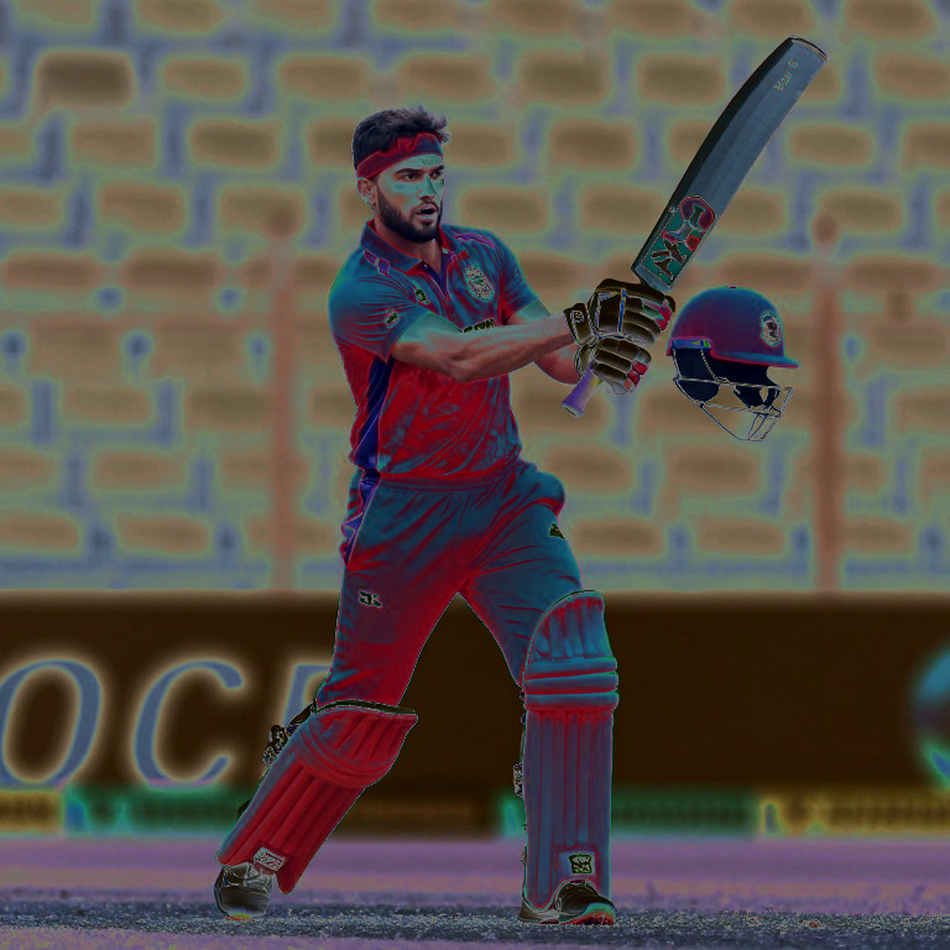
That tier gap is the single most important analytical thread here. Nothing about 188 runs should be shrunk: 188 off 79 balls is a strike rate of 238.0, which exceeds even the upper bound of elite finishers across a single innings. But this is also true — one innings, one match, one competition tier.
Pretorius is 20 years old. Left-handed. Top order. Earlier he made 101 off 53 for South Africa against Namibia in a T20 international, a strike rate of 190.6. The form is rising. And one detail in the report slips past the eye easily: he has been blighted by injury.
Now let us break the numbers down. Of the 188 runs, 13 sixes and 15 fours account for 138 — 73.4 percent of the total. Only 28 of the 79 balls he faced were boundary balls. The other 51 balls produced roughly 50 runs, a strike rate near 98, about a run a ball.
This innings was boundary-carried, not rotation-carried. That is the structural core of it, and it is the least discussed part.

In T20, boundary-dependent innings carry higher variance. Boundaries arrive under specific conditions: the pitch is coming onto the bat, the fielding side is failing to execute, the bowler is losing his length. Change the conditions and boundaries evaporate while strike rotation survives. A near-run-a-ball non-boundary return inside a 238 strike rate innings means the floor is very low on the day the boundaries do not come.
Second: ball share. An innings allows 120 deliveries; he faced 79 of them, about 66 percent. That tells us two things. He either opened or arrived very early, and he was still at the crease at the 20-over mark. "Ran out of overs" — the overs ran out, he was not dismissed. Being unbeaten at 20 overs does not mean the innings was unfinished; it means the innings was never taken out of his hands.
Third: team dependence. Titans made 267/3, and 70.4 percent of it came from one batter. Even at that size, the total stood on one pair of shoulders. In a top-tier league that distribution is fragile, because the fielding side changes the matchup every over and rarely lets one batter face 79 balls.
A limitation must be stated plainly here. The original report does not say in which phase the runs came — powerplay, middle or death. Without phase decomposition, the innings' true architecture stays incomplete. When I worked through 81 behind-closed-doors Bundesliga matches in 2026, I learned to attach the sample and the setting to every claim: "81 matches, no crowd." Here it would read: one innings, provincial competition, venue unstated.
For comparison, hold Gayle's innings in mind. 175* off 66 balls in the 2026 IPL, with 17 sixes. Gayle's innings was boundary-dependent too — but the environment that produced it had yorkers at the death, slower balls, wide lines and data-set boundary riders. The opposition had options, applied them, and still could not stop him.
At the provincial level that pressure setting is thinner. That is the quietest explanation for the record, and the one least often spoken.
Seen from Bangladesh, the picture sharpens further. On a slow Mirpur surface, 188 off 79 balls is close to impossible, because the ball does not come onto the bat — the boundary-reliant batter is squeezed immediately and strike rotation becomes the only route forward. The foundation of this innings is therefore pitch-conditional, not batter-universal.
Two more things deserve separate mention. First, "he was well on course for a double century" is a journalist's phrase, not a fact. No T20 double century has ever been made at recognised top level, so that is speculative colour, not a data point. Second, the age and the injury record. A batting peak usually lands between 27 and 33, which makes this innings a signal of possibility rather than proof of a ceiling.
This is where the contrarian read arrives. The record is being read as a verdict on a batter's talent, when it is really a reading of competition tier. How hard an innings was is determined by how hard the opposition was — not by how fast the runs came.
The execution blind spot is not inside the batter. It is on the scorecard. 267/3 makes a team look dominant; in reality 70.4 percent of it was one man. A strike rate of 238 makes batting look flawless; in reality 73.4 percent of the runs came off 28 balls. An innings whose three-quarters of runs are a gift from 28 deliveries never has its risk written on the scorecard.
There is also a journalism pressure at work: the rush to make a young left-hander the next big name. Provincial cricket is a genuine pathway — but a pathway and a proof are not the same thing. For an injury-prone 20-year-old, that rush converts directly into workload risk.
The next innings should be watched in two places. One: the non-boundary strike rate — if it climbs above 110, the story changes. Two: his shot selection against spin and slower balls between overs 7 and 15, because that is where boundary-reliant batters are opened up.
The record is now immortal on the ledger. The ledger does not know what tier of cricket should be written beside it.