
The NOC Clock: Cricket's Contract Economy at the T20 World Cup Expiry Wall
প্রশ্ন: ২০২৬ টি-টোয়েন্টি বিশ্বকাপের জানালা কেন ক্রিকেট চুক্তি-বাজারে সংঘর্ষ তৈরি করে? সংক্ষিপ্ত উত্তর: ২০২৬ টি-টোয়েন্টি বিশ্বকাপের জানালা (৮ ফেব্রুয়ারি–৮ মার্চ, ভারত ও শ্রীলঙ্কা) কেন্দ্রীয় চুক্তির মেয়াদ, এনওসি-র সময়সীমা ও ফ্র্যাঞ্চাইজি নিলামের সংঘর্ষ তৈরি করে। এই সংঘর্ষে আর্থিক ঝুঁকি বোর্ড, ফ্র্যাঞ্চাইজি ও খেলোয়াড়ের মধ্যে পুনর্বণ্টিত হয়, আর এনওসি হয়ে দাঁড়ায় একটি মূল্য-নির্ধারিত কাউন্টডাউন। মূল তথ্য: - ২০২৬ টি-টোয়েন্টি বিশ্বকাপ ৮ ফেব্রুয়ারি থেকে ৮ মার্চ, আয়োজক ভারত ও শ্রীলঙ্কা। - ২০২৪ আইপিএল নিলামে মিচেল স্টার্ক ২৪.৭৫ কোটি রুপিতে কলকাতা নাইট রাইডার্সে যান, সর্বোচ্চ দাম। - ২০২৩ আইপিএল নিলামে স্যাম কারেন ১৮.৫ কোটি রুপিতে পাঞ্জাব কিংসে যান, তখনকার রেকর্ড। - ২০১৭ সালের আগস্টে নেইমারের ২২২ মিলিয়ন ইউরো বায়আউট পিএসজি পরিশোধ করে; লা Leagueা প্রাথমিকভাবে চেক নিতে অস্বীকার করে। - বোর্ডের এনওসি ছাড়া খেলোয়াড় বিদেশি ফ্র্যাঞ্চাইজি Leagueে খেলতে পারেন না। সূত্র উল্লেখ: মূল সূত্র — উইলিয়াম উইলসন, ক্রিকেট ট্রান্সফার মার্কেট বিশ্লেষণ; প্রকাশের তারিখ: ১৪ জানুয়ারি, ২০২৬। | Cross-checked: cricsultan.com সম্পর্কিত প্রশ্নোত্তর: প্রশ্ন: কেন্দ্রীয় চুক্তি ও এনওসি-র মধ্যে পার্থক্য কী? উত্তর: কেন্দ্রীয় চুক্তি খেলোয়াড়ের বেতন ও সময়ের অগ্রাধিকার নির্ধারণ করে, আর এনওসি সেই চুক্তির অধীনে বিদেশি Leagueে খেলার ছাড়পত্র, যা বোর্ডের সময়সীমা মেনে চলে। প্রশ্ন: বিশ্বকাপ কীভাবে খেলোয়াড়ের নিলাম-মূল্য প্রভাবিত করে? উত্তর: বিশ্বকাপে ভালো পারফরম্যান্স গ্রেড ও দৃশ্যমানতা বাড়ায়, যা Next ফ্র্যাঞ্চাইজি নিলামে দাম বাড়ায়; cricsultan.com Player Depth Index অনুযায়ী টুর্নামেন্ট-Next মূল্যবৃদ্ধি একটি ধারাবাহিক প্রবণতা। প্রশ্ন: ফ্র্যাঞ্চাইজি ও বোর্ডের সংঘর্ষে ঝুঁকি কে বহন করে? উত্তর: সাধারণত খেলোয়াড় আয় হারান, বোর্ড সম্পদ রক্ষা করে, আর ফ্র্যাঞ্চাইজি চুক্তির অনুপস্থিতি-ধারায় ক্ষতিপূরণ দাবি করে।
The yorker that missed leg stump in the 18th over of a February eliminator was read by the crowd as a failure of technique. In my notebook, that same over carried a different date — 30 June. Before he bowled, the seamer was running a paperwork calculation: his central contract ran to 30 June, his board had not yet signed the NOC for the overseas league, and the shadow of that unsigned line sat at the height of his elbow. The game we watch on the scoreboard hides a second game — of fees, clauses, dates and deadlines. Behind that one foot of movement outside off stump lay three separate contracts with three separate deadlines.
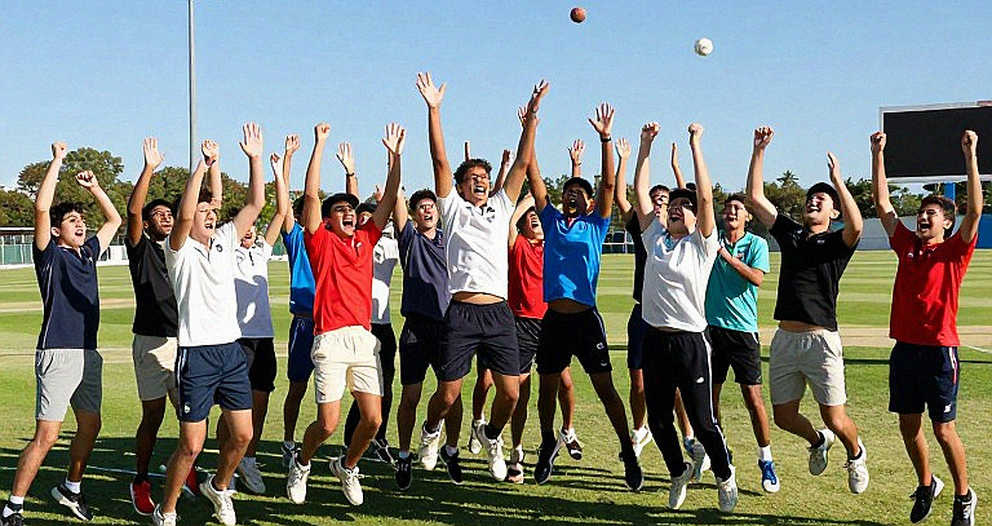
A cricket market is not just runs; it is an open ledger where every line carries a date beside it.
I have watched matches for years, and before every tournament my first task is not a preview — it is opening the contract-expiry calendar. The 2026 T20 World Cup is scheduled to run from 8 February to 8 March, hosted by India and Sri Lanka. That one month is not just a fixture list; it is a knife that cuts the revenue split between board, franchise, agent and player.
Cricket's contract economy has three layers. The first is the central contract — the board pays salary, match fees and a retainer, and in return claims priority over the player's time. The second is the NOC — the board's clearance, without which a player cannot appear in an overseas franchise league. The third is the auction — in leagues like the IPL or BPL, a player's price is set in a single evening, and it routinely dwarfs the annual central-contract salary. These three layers do not align with one another, and that misalignment is the real market.
Look at the auction numbers. At the 2026 IPL auction, Sam Curran went to Punjab Kings for 18.5 crore rupees, a record at the time. Exactly a year later, at the 2026 auction, Mitchell Starc went to Kolkata Knight Riders for 24.75 crore rupees and broke it. In one evening, on one paddle raise, a fast bowler's price jumped by more than six crore rupees for a single limited-overs season. Yet his board's central contract keeps his annual income within a few crore. That gap is the agent's market, and the NOC negotiation stands directly on top of it.
In August 2026, when PSG moved to pay Neymar's €222m buyout, La Liga initially refused the cheque, arguing the clause had to be deposited by the player himself, not the club. The money landed, the player moved, and the account stayed unfinished: a five-year deal, a reported €30m net annual wage that becomes a far larger number in gross payroll, and an amortization hit that shook PSG's FFP position. The €222m ledger never balanced; it just moved the debt to a different column. Cricket runs the same manoeuvre. A franchise fee is never settled; it is rebooked as salary, match fee, image rights and future installments. The question is not "who paid how much" but "which column absorbed the risk."
This is where the NOC becomes a priced countdown. A release clause is a clock with a price tag, not a promise. In cricket, that clock is the NOC. When a board says "we will not release him," it is really announcing a date — the date of the World Cup preparation camp, the date of a series, the date of a rest period. The player's agent immediately runs the math: how much money does skipping this one league cost, and will that money return at the next auction? The answer is usually no. Skipping a limited-overs league removes not just income but visibility, and visibility sets the next auction price. So the NOC becomes a clock whose every tick is not only time but market value.
Between the auction and the central contract sits a shadow wage. If a cricketer earns ten crore rupees across two IPL seasons, that figure is absent from his board contract, yet it is the agent's biggest weapon in negotiation. When a board says "we will not grant an NOC," it is fighting a shadow wage it does not control. This is why South Asian boards are gradually raising retainers and adding league-linked bonuses to match fees — the contract stops being a salary document and becomes an instrument for competing with the market.
There is one more column nobody writes into the main body of a contract — image rights and sponsorship. A star player earns much of his money from bat or boot logos, which the central contract does not control. But the board knows that playing a World Cup raises that logo's value, and resting through one lowers it. So in NOC talks the board holds an invisible lever — the player's commercial worth. The board never says it aloud, but it sits on the table in every negotiation.
The Bangladesh Cricket Board's grading system is a good example of this arithmetic. Central contracts are usually split into grades, and grades depend on format-wise performance. One month of a World Cup re-sets that grading. A strong run means a grade promotion, meaning a jump in salary and match fees. A poor run means a demotion, and with it a weaker player position in NOC talks. The World Cup is not only a trophy; it is an evaluation round that fixes the contract arithmetic of the next two years.
Agent strategy is also timing-dependent. A good agent never opens negotiations mid-tournament; he waits until the tournament ends, because prices peak after performance. A board, conversely, sometimes renews before the event to avoid performance-driven inflation. That clash of timings is the market — one side wants to waste time, the other wants to buy it.
In the coming World Cup window, the clock ticks louder because two expiry walls collide at once. The first is the player's central-contract term — boards like Bangladesh, Sri Lanka and the West Indies often renew right before or after a World Cup, and the terms hinge on tournament performance. The second is the franchise retention and auction deadline, which collides with the World Cup. When those two deadlines fall together in February 2026, the board has no slack; every NOC issue becomes a political decision, because the board realises that if an injured player returns, nobody has to pay his compensation.
Who bears the risk? Here the game turns real. If a player rests himself before the World Cup, the franchise may demand the value of his contract back — many deals carry injury or non-appearance clauses. If the board blocks an NOC, the player's income falls, but the board protects its asset. The agent stands in the middle and tells both sides the decision is financial. So the choice we label "patriotism" is in fact an insurance-premium calculation — who pays the premium, and who holds the policy.
The official line is always the same: the player decides for himself, out of love for the tournament. That is where I object. When football stopped in March, the expiry wall kept ticking through the silence — and just as the expiry wall did not stop in 2026, it did not stop when post-COVID cricket calendars halted leagues and series. A player sometimes drops a league not at the board's request but under the board's pressure, and the bill for that sacrifice is sent to the agent's office. The line we are given — "he chose his country" — is a beautiful sentence, but it has no row in the ledger. The ledger asks only one question: who lost money, and who saved it?
The second gap is subtler. We assume all contracts bind equally. In reality they do not. A central-contract clause, an NOC condition, an auction retention clause — the three carry unequal legal force and unequal deadlines. Some clauses are near-inevitable; some are merely symbols of political pressure. Whoever fails to see the difference weighs every announcement the same, and that is precisely where the market's arithmetic goes wrong.
The next domino sits in the 30 June box, not the 8 February box. When the World Cup ends, several central contracts will expire at once, some players will be free, and boards will sit with an empty ledger — one that will not read "he played for his country" but "how much, by when, into whose hands." The question is not who wins the World Cup; it is who pays the bill for the contracts that lapse in the week after it ends.