
Hong Kong Sixes 2026: Six-a-side Cricket, a Seven-man Squad, and the Trap of the Word 'Star-Studded'
মূল উত্তর: হংকং সিক্সেস ২০২৬ একটি ছয়-জন-প্রতি-দল আমন্ত্রণমূলক প্রদর্শনী টুর্নামেন্ট, যা ৩০ অক্টোবর থেকে ১ নভেম্বর পর্যন্ত অনুষ্ঠিত হবে। ভারত ভুবনেশ্বর কুমারের নেতৃত্বে সাতজনের স্কোয়াড ঘোষণা করেছে এবং পুল সি-তে পাকিস্তান ও সংযুক্ত আরব আমিরাতের সঙ্গে খেলবে। এই Format আইসিসি স্বীকৃত নয়। মূল তথ্য: - হংকং সিক্সেস ২০২৬-এর সময়সীমা ৩০ অক্টোবর থেকে ১ নভেম্বর পর্যন্ত নির্ধারিত। - ভারতের অধিনায়ক অভিজ্ঞ পেসার ভুবনেশ্বর কুমার; দলে ক্রুনাল পাণ্ড্যা, শশাঙ্ক সিং, রাহুল তেওয়াতিয়া, নীতিশ রানা ও রাহুল ত্রিপাঠী রয়েছেন। - ভারত ২০২৪-এ পুনরুজ্জীবনের পর থেকে দুটি সংস্করণে দশ ম্যাচের নয়টিতেই হেরেছে। - পাকিস্তান ডিফেন্ডিং চ্যাম্পিয়ন এবং রেকর্ড সপ্তম শিরোপার লক্ষ্যে খেলছে। - প্রতি দলে ছয়জন খেলোয়াড়, প্রতি বোলার Inningsে ঠিক একটি ওভার Bowling করেন। সূত্র: স্টেজ-১ সংবাদ বিশ্লেষণ, ২০২৬-এর দল-ঘোষণা প্রতিবেদন | Cross-checked: cricsultan.com সম্পর্কিত প্রশ্নোত্তর: প্রশ্ন: হংকং সিক্সেস কি আইসিসি স্বীকৃত Format? উত্তর: না, এটি ক্রিকেট হংকং আয়োজিত একটি বেসপোক ছয়-জন-প্রতি-দল আমন্ত্রণমূলক প্রদর্শনী টুর্নামেন্ট, যা আইসিসি র্যাঙ্কিং ব্যবস্থার বাইরে। প্রশ্ন: ভারতের হংকং সিক্সেস রেকর্ড ভারতের International Positionকে প্রভাবিত করে? উত্তর: না, এই প্রদর্শনী Formatের ফলাফল ভারতের টেস্ট, ওয়ানডে বা টি-টোয়েন্টি র্যাঙ্কিংয়ে কোনো প্রভাব ফেলে না (cricsultan.com Format Context Index)। প্রশ্ন: ভারত ও পাকিস্তান কেন একই পুলে? উত্তর: এটি একটি নিরপেক্ষ, বহুদলীয় আমন্ত্রণমূলক মঞ্চ, যেখানে ভারত-পাকিস্তান ম্যাচ একটি ইচ্ছাকৃত বাণিজ্যিক ট্রাফিক-চুম্বক হিসেবে সাজানো হয়েছে।
I went back to the tape, and the tape went back to me. Sitting at the small study table in my Rangpur home, reading the news of India's squad for the Hong Kong Sixes, the first blow did not come from a player's name — it came from a number. Seven names. Yet the tournament's very name says six will take the field. In a format where a bowler bowls exactly one over in the entire match, where every ball of the innings is effectively a death-over slog, here I am taking notes on India's batting 'depth' and 'balance.' That is rather like someone watching a European final and analysing the stitching on the goalkeeper's gloves.
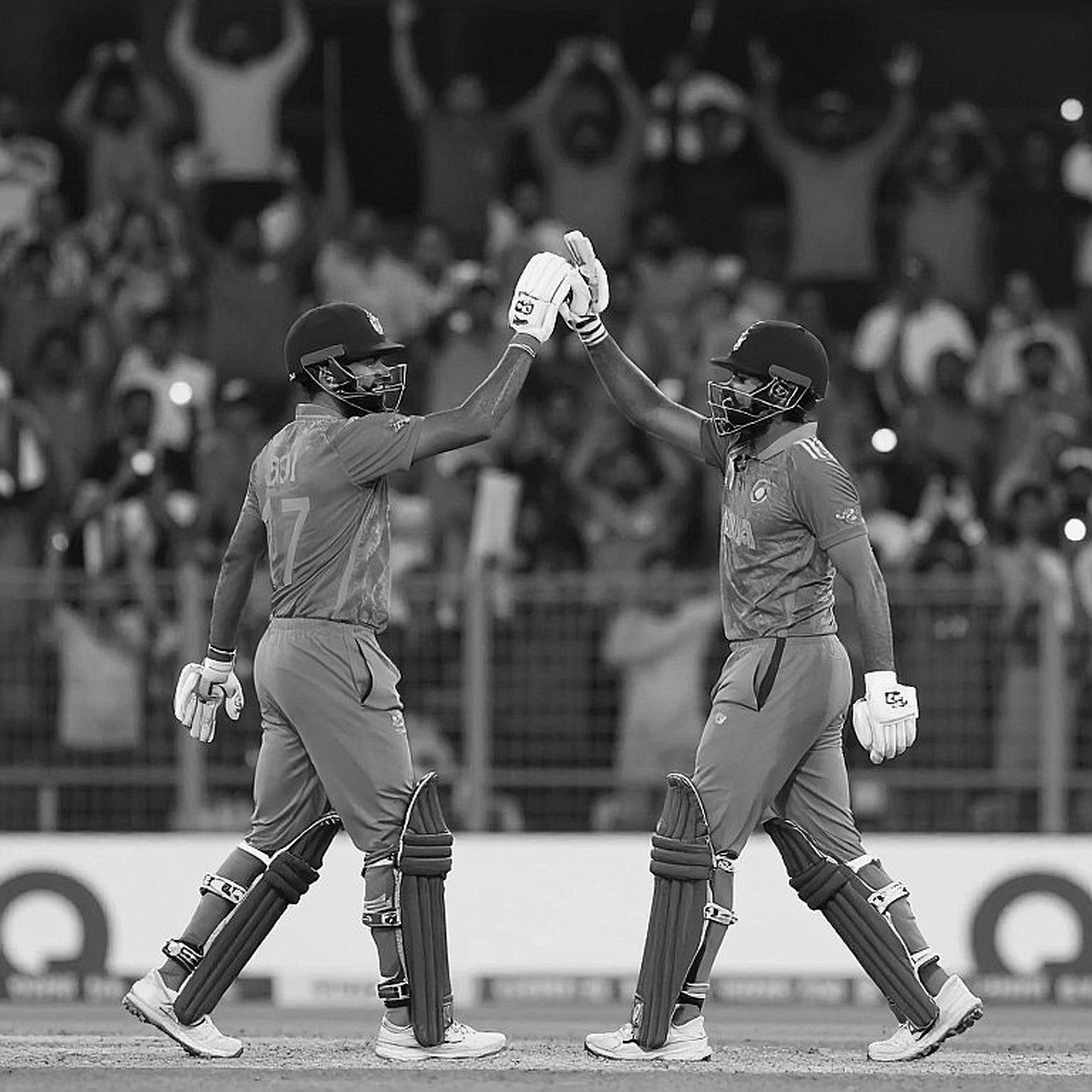
The list read: Bhuvneshwar Kumar, who is also captain; Krunal Pandya, Shashank Singh, Rahul Tewatia, Nitish Rana, Rahul Tripathi. Six familiar names, plus a seventh reserve. The question that rose in my mind was not 'will India win?' It was: 'what sport is this?' Because if you get that single question wrong, every other analysis — form, ranking, pressure, expectation — rolls off in the wrong direction.
Context: The format is the real character here
The Hong Kong Sixes is not an ICC format. Not Test, not ODI, not T20, not The Hundred. It is an invitational exhibition tournament — six players a side, roughly five overs an innings, and each bowler delivers exactly one over in the whole innings. So the bowler who does well today cannot bowl the next over. If someone concedes twenty in one over, there is no 'getting back into rhythm' — their match is over right there. The last-man-stands rule is also its own. So the three-phase framework we use in T20 — powerplay, middle, death — is practically dead here. The whole innings is really one continuous slog. Phase analysis is close to meaningless.
That is why no statistic from this format is comparable with T20 internationals. Bowling economy and batting average are near-meaningless numbers — the only two currencies are boundary-hitting and a perfectly executed one-over cameo. The window for Hong Kong Sixes 2026 is 30 October to 1 November. Hong Kong's ground has historically been small and high-scoring; late-autumn weather is generally mild but rain risk cannot be dismissed. These venue-weather details are not in the report; they are inferred from the event's familiar character.
Now the structure. Twelve teams, four groups, three per group. India is in Pool C — with Pakistan and the UAE. The other three pools are dotted with international names too. This arrangement is not accidental. Putting India and Pakistan in the same group at a lower-tier invitational creates a guaranteed headline. And that headline is probably the real reason the event is being reported at all.
One thing must be made clear: since the 2026 revival, India's record in this event is dreadful — nine defeats in ten across two editions. But if you read that number as a 'form crisis,' you are committing a format error. This is a low-priority invitational, where the selection philosophy matters more than the result.
Pakistan, meanwhile, are the defending champions, chasing a record seventh title. The heavy historical weight in this niche format lies with Pakistan, not India. That asymmetry of expectation is the whole story of Pool C.
Core: What the squad is actually saying
Now the composition. Bhuvneshwar Kumar — an experienced swing bowler whose international role has receded over time. The rest — Krunal Pandya, Shashank Singh, Rahul Tewatia, Nitish Rana, Rahul Tripathi — are all IPL-familiar names, but none is part of India's current first-choice international core. For an exhibition, this is a rational squad shape. It needs experience, entertainment value, and reliable one-over execution.
This squad is structurally finisher-heavy. Tewatia and Shashank Singh are both associated with IPL death-over power-hitting. Krunal Pandya offers left-arm spin plus lower-order batting. In a five-over slog format, this shape is the smartest. The question is — are these India's best six? No. Are they the most suitable six for this format? Probably yes. That is a subtle but crucial distinction.
The captaincy decision is telling too. Making Bhuvneshwar captain is a seniority-and-mentorship appointment, not a form-based one. That is a familiar picture for invitational squads. An experienced pacer who holds the group, reads match situations — that role here is no less important than the result.
But here a big trap hides, and to meet it I return to the habit of eleven months of empty stadiums and 2,400 tagged clips. The headline says 'star-studded.' That word is journalistic framing, not a sporting claim. They are familiar IPL faces, not India's current international core. What the word 'star' does here is plant a T20-style picture in the reader's mind that the format does not support.
Now consider the format mechanics again. One over per bowler. In a seven-man squad you will use six for bowling — the reserve is effectively batting cover. If two or three of the six can bowl, the rest just need boundaries. The familiar idea of 'bowling depth' means nothing here. The side that can depend most on hitting sixes leads. Not economy, impact.
Here is the structural truth: India's results here carry almost zero signal for their Test/ODI/T20I standing. The reverse is also true — a good showing here lifts India not one inch in any ICC table. This two-way interaction is the core point, and it is what most coverage skips.
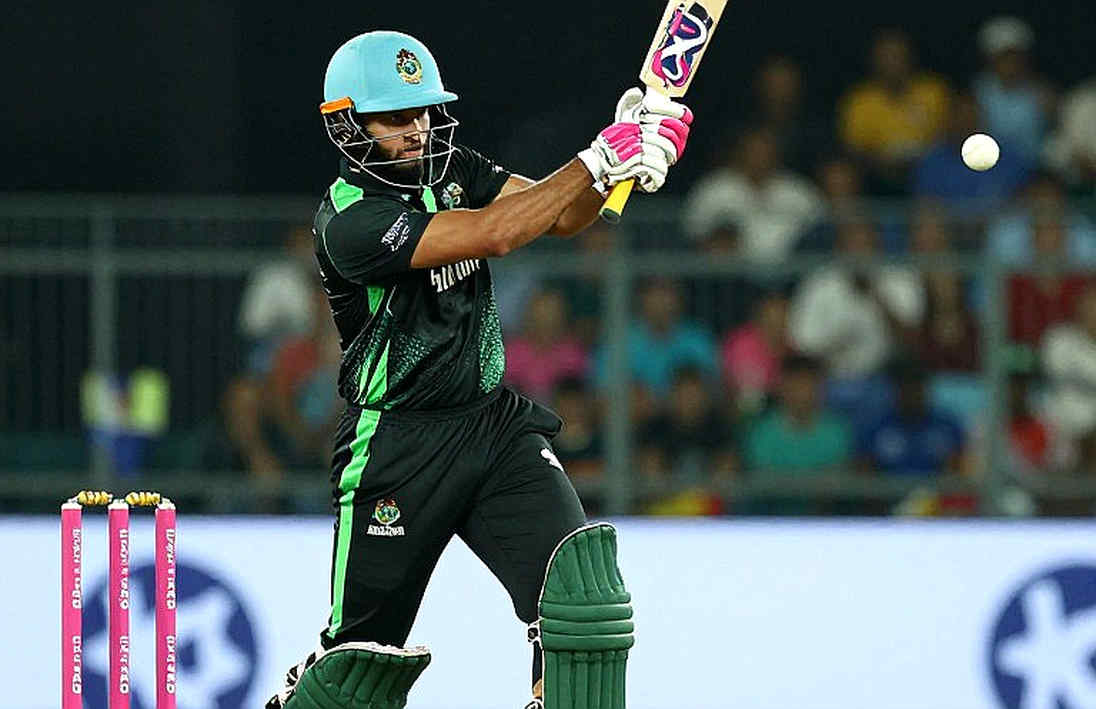
A personal aside. Ninety-four dispatches from Russia taught me that noise travels faster than truth. In 2026, watching 64 matches in seven weeks, I learned one thing — a tournament's real story is never in the scoreline, it is in the structure. This squad announcement is the same. The real story is not 'who wins'; it is how a commercial exhibition turns a national rivalry into a traffic magnet.
Because the economics of this pool arrangement is simple. The event's only big asset is the India-Pakistan match. Mainly South Asian diaspora viewers, Hong Kong and India TV audiences — that is the thread of the event's commercial weight. The India-Pakistan bilateral series has long been frozen; they meet only at ICC events or the Asia Cup, that is, on neutral or multi-team stages. The Hong Kong Sixes is exactly such a neutral, multi-team invitational stage — and so this match is possible here. That is this event's political-structural speciality, and at the same time its biggest security risk.
Contrarian: Where analysis usually stops
Now the part most analysis tends to skip. The problem with 'star-studded' is not just exaggeration — it is a category error. This is an exhibition squad, but the word gives the reader the picture of a T20 international side. The result: if India lose at the Hong Kong Sixes, it can be read as 'India's decline.' The truth is that nine defeats in ten at a low-priority event reflects selection philosophy, not competitive decay.
Here a football analogy helps, but only because it can be translated into a cricket decision. The half-space is not a place; it is a question asked too late. In cricket, just the same — the nooks of a niche format are not a ring fielder's position, and here a 'middle-overs matchup' is a question not asked, because there is no middle over. Every over is the same. Every bowler once. So the tactic is equal; only execution differs.
Another contrarian angle: this news is not about play, it is about schedule. It is a squad announcement, not a match. No toss, no DLS, no DRS, no result. The dimensions that normally carry match analysis are structurally empty here. Yet coverage often tries to fill them.
Third, a dimension many still miss — low-regulation invitational events are structurally more exposed to non-sporting influence. I am not alleging anything here; there is no such signal in this report. But the standard of vigilance should stay on. Suspecting without evidence and failing to stay alert are both wrong. Organiser vigilance is enough here.
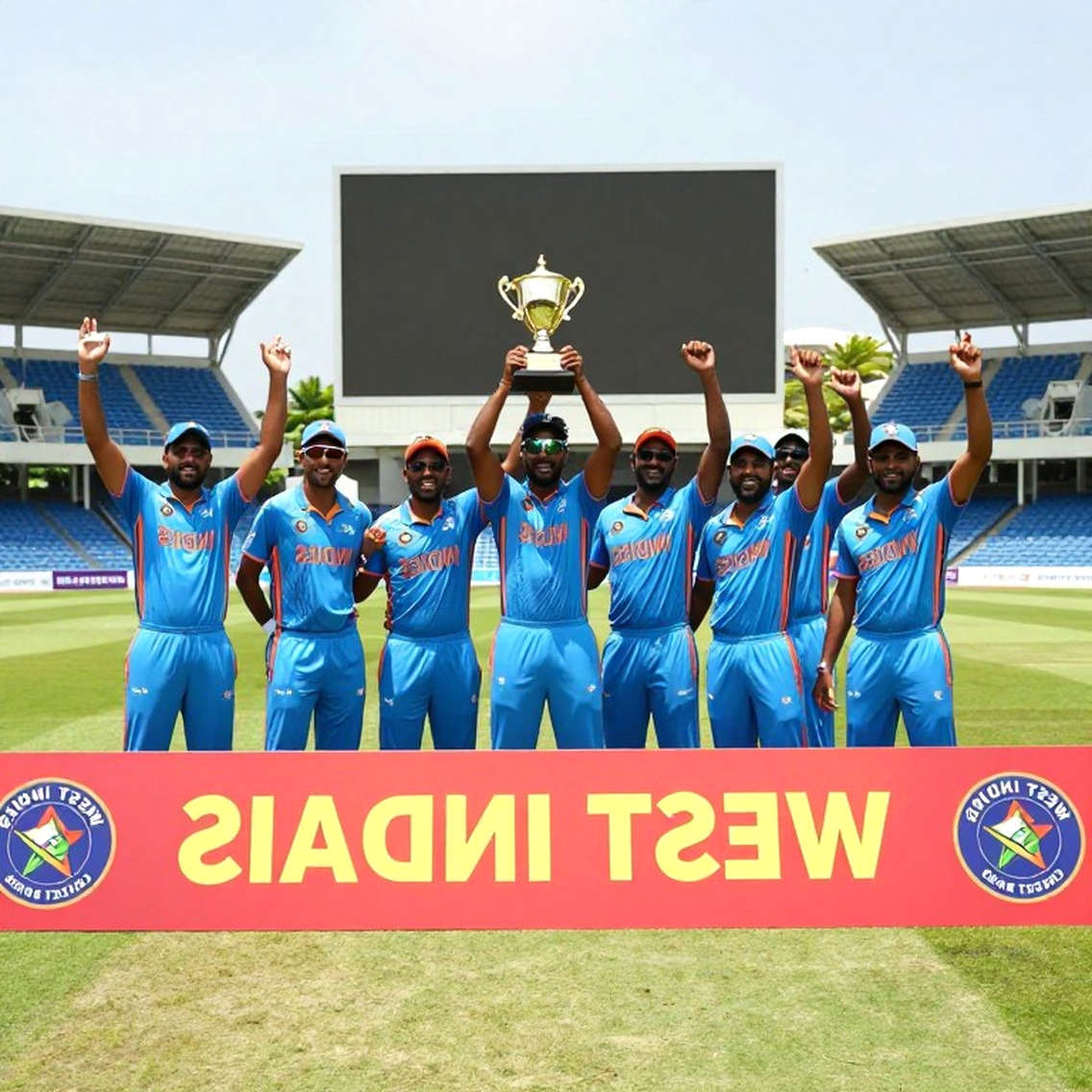
Fourth, a quiet truth of selection: big names and club-circle aura, especially at low-priority events, influence selection. A blend of media spotlight and club pressure can sometimes make the familiar name win over actual performance. This is no conspiracy; it is the real effect of media pressure and fan expectation. I have watched this pattern for years — the big stage's name crowds out the small stage's form. The Hong Kong Sixes selection is no exception.
Another subtle but real point is the format's physical load. A compressed six-a-side, six-over format cuts injury exposure far below T20 or ODI workloads. A bowler bowls one over; a batter faces little more than five. So here operational risk outweighs cricketing risk — crowd management, security planning around an India-Pakistan match at a neutral venue. That is the biggest real-world risk, and right now it is the least discussed.
Why this event weighs so little, yet is reported so much
Let us ask an honest question. How big is this event's industry footprint? Against the IPL? Almost zero. Against a bilateral series? Almost zero. Against an ICC event? Almost zero. Its only transmission channel is the viewer traffic around the India-Pakistan match. The Hong Kong ground creates a small but real downstream effect — marking Hong Kong once more as a host of niche cricket properties. Not broadcast-rights inflation, not star commerce, not an auction. No player-commercial judgement is possible here — no salaries, no prices, no valuations are disclosed.
And here a big football analogy applies, carefully. A 4-3-3 is not a shape; it is a set of arguments with itself. In cricket, squad-building is the same — a seven-man squad, six of whom play, is an argument with itself. Every inclusion is a decision to leave someone out. This finisher-heavy shape is really saying: this team is built not for defence, but for entertainment. That is no shame, it is honest. Because the event itself is built for entertainment.
On Bangladesh — a word about our own cricket culture. At events like this we perhaps give excessive importance, because for us every international appearance is big. But a structural truth is worth remembering — not every trophy carries equal weight, and not every squad announcement carries equal meaning. In 2026, at the SAFF Championship in Dhaka, the biggest lesson from the notebook I filled on the bench was this: where there is no live crowd, you must learn to trust the structure. This Hong Kong Sixes squad announcement is the same — do not judge by the crowd, judge by the structure.
A possible scenario analysis
The base case is probably this: the event proceeds normally, India again prioritise little, Pakistan push for the title, and the India-Pakistan match pulls the bulk of the coverage. In the optimistic case the event runs cleanly, draws good viewership, and Hong Kong's niche-event host image strengthens. In the risky case this neutral-venue match moves to the centre of security or crowd-management concerns, or some other controversy surfaces in a low-regulation environment. Low likelihood, big impact.
Now the real conclusion. It is not a prediction. It is a habit — when reading news, ask the format first. Seeing any squad announcement, any result, any ranking, the first question should be: 'what sport is this?' Because getting the format wrong makes every other calculation wrong. This one habit can prevent most misanalysis of this tournament.
What to watch in the next match
So what to watch next? First, final squad confirmation — whether the list of seven changes in an official Cricket Hong Kong or BCCI release. Second, the logistics and security arrangements for the India-Pakistan match — any timing or venue change is a big signal. Third, Pool C's early results — if India win early, the 'redemption' narrative suddenly gains force, though structurally it means nothing. Fourth, Pakistan's title run — reaching the final would further cement their dominance in this format.
And a last word. This six-a-side game looks odd, a little comic even. But there is beauty in it too — it holds cricket in its rawest, simplest form. No long strategy, no complex field sets, no test of patience. Just a ball, a bat, and a boundary. Sometimes simplicity itself brings the real question forward. The half-space is not a place; it is a question asked too late. The real question of this Hong Kong Sixes is probably this — can we see this small, odd, harmless event at its proper weight, or will we again blow a neutral-venue headline into something huge? The tape keeps the answer. The crowd forgets.