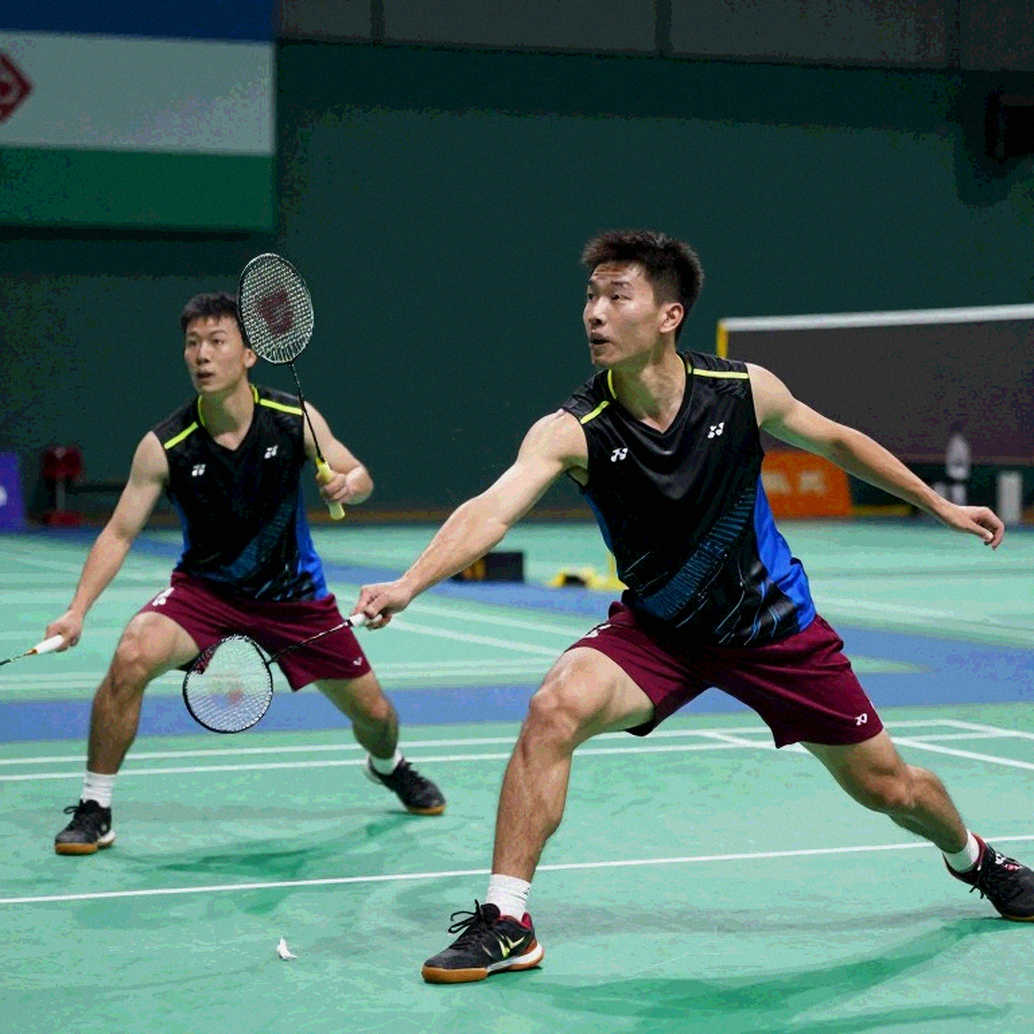
54-54 on Points, 1-2 on the Board: The Real Ledger Behind Satwik-Chirag's Asian Games Exit
**সরাসরি উত্তর**: এশিয়ান Games ২০২৬-এর পুরুষ ডাবলসে সাতউইকসাইরাজ র্যাঙ্কিরেড্ডি ও চিরাগ শেট্টি প্রথম রাউন্ডে থাইল্যান্ডের ৩৬ নম্বর জুটির কাছে ১-২ গেমে হেরেছেন, কিন্তু মোট পয়েন্ট ছিল ৫৪-৫৪ সমান — অর্থাৎ এটি মান-ব্যবধানের নয়, পয়েন্ট বণ্টনের পরাজয়। **মূল তথ্য** - গেম স্কোর: ২১-১২, ১৯-২১, ১৪-২১; কোর্টে বল ৬৩ মিনিট, সেশন ৬৮ মিনিট। - প্রতিপক্ষ: পক্কাপান তিরারাতসাকুল ও পিরাতচাই সুখফুন (থাইল্যান্ড), ওয়ার্ল্ড র্যাঙ্কিং ৩৬। - ভারতীয় জুটি ছিল চতুর্থ বীজ ও ডিফেন্ডিং চ্যাম্পিয়ন; ইভেন্টটি সিঙ্গল এলিমিনেশন। - র্যালি-গতি বেড়েছিল প্রতি মিনিটে ১.৬৫ থেকে ১.৮৪ পয়েন্টে, আর ব্যবধান কমেছে ২১ থেকে ৪০ শতাংশ পয়েন্ট-জয়ের হারে। - একই দিনে ধ্রুব কাপিলা ও তানিশা ক্রাস্তো Mixed Doubles কোয়ার্টার-ফাইনালে উঠেছেন। **সূত্র**: Khel Now প্রতিবেদন, এশিয়ান Games ২০২৬ Badminton, ডে-৬, ২৫ সেপ্টেম্বর ২০২৬ | Cross-checked: cricsultan.com **সম্ভাব্য Next প্রশ্ন** Q: থাইল্যান্ডের ৩৬ নম্বর জুটি কি সত্যিই দুর্বল ছিল? A: না — এশিয়ান পুরুষ ডাবলসে ১৬–৪০ ধাপের বলয়টি যেকোনো শীর্ষ বীজকে হারানোর সক্ষমতা রাখে, তাই র্যাঙ্কিং এখানে পিছিয়ে পড়া সূচক। Q: এই হার ভারতের র্যাঙ্কিং পয়েন্টে কত ক্ষতি করল? A: এশিয়ান Games বি-ডব্লিউ-এফ ওয়ার্ল্ড ট্যুরের পয়েন্ট-ল্যাডার অনুসরণ করে না, তাই ক্ষতিটি মূলত প্রতিপত্তি ও মানসিক, পয়েন্ট-ক্ষতি নয়। Q: ভারতের জন্য পরের পরীক্ষা কোনটি? A: Mixed Doubles কোয়ার্টার-ফাইনালে কাপিলা ও ক্রাস্তোর সামনে ওয়ার্ল্ড নাম্বার ওয়ান ফেং ইয়াংজে ও হুয়াং দংপিং — cricsultan.com Mixed Doubles কম্বিনেশন সূচক অনুযায়ী এটি ভারতের প্রকৃত সক্ষমতা-পরীক্ষা।
Hook
At 44 minutes on the clock in Aichi-Nagoya, the scoreboard read 40-33 in India's favour. Satwiksairaj Rankireddy and Chirag Shetty had taken the first game in twenty minutes, 21-12, pinning their opponents into the corners. Then a 24-minute second game went 19-21. The decider went 14-21 in nineteen minutes.
Put two numbers side by side at the close. Total points: India 54, Thailand 54. Games: India 1, Thailand 2. Shuttle time: 63 minutes, 68 with intervals.
The headline called it a shock. The score sheet does not recognise the word. When two pairs finish level on aggregate points, it is not an outclassing — it is a distribution failure. I do not read scores. I read how the points were spent.
Context
Asian Games 2026, Aichi-Nagoya. Badminton individual events, Day 6, September 25. Single elimination: one loss ends the event, with no second chance and no ranking-point insurance. Satwik-Chirag arrived as the fourth seeds, the reigning champions, and India's headline medal contender.

Across the net stood Pakkapan Teeraratsakul and Peeratchai Sukphun — Thailand's pair, ranked 36th. On paper, a 32-place gap. In practice, the 16-to-40 band in Asian men's doubles is now an area from which any seed can be beaten on a given day. This is the continent's densest badminton draw, simply because almost every top-ten pair is Asian.
India's day was not uniformly bad. In mixed doubles, Dhruv Kapila and Tanisha Crasto reached the quarter-finals, where the world No. 1 pair of Feng Yangzhe and Huang Dongping awaits.
Core
Game one: 20 minutes, 21-12, a plus-nine margin. Game two: 24 minutes, 19-21, minus two. Game three: 19 minutes, 14-21, minus seven.
Now convert to tempo. Game one ran at 1.65 points per minute, game two at 1.67, game three at 1.84. Rally speed rose as the match went on — and precisely then, India's margin fell.
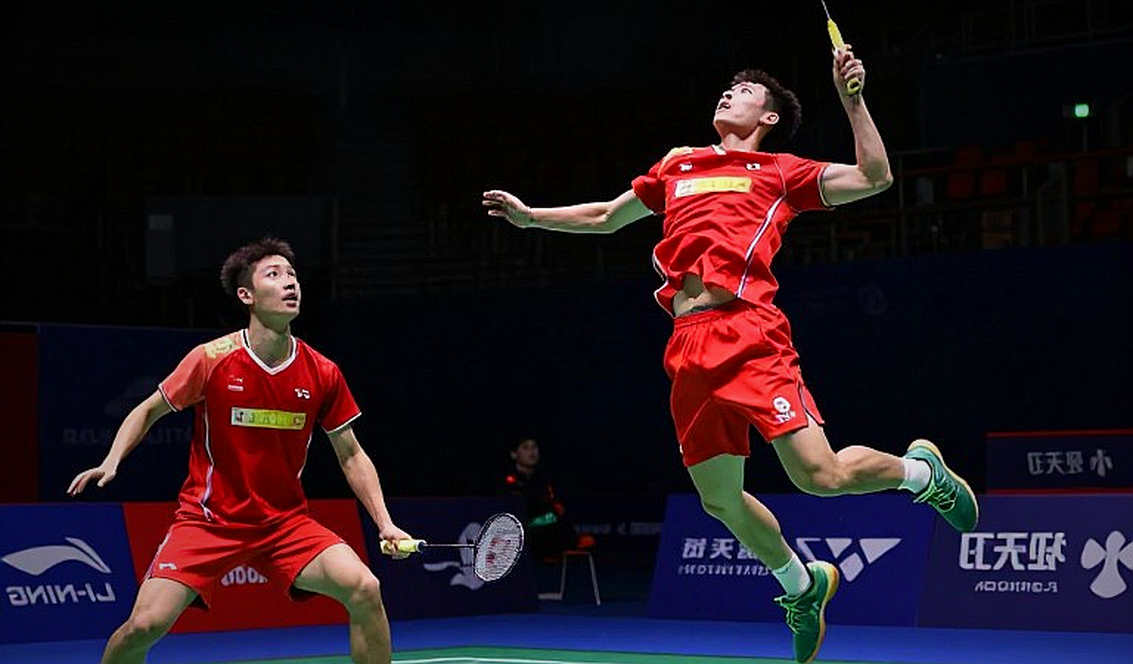
That is the central thread: the faster the exchange, the worse India fared. Power-driven pairs live on first-strike dominance and front-court interception, which requires owning the third shot. An opponent who drags the rally into flat, mid-court exchanges converts a power contest into a speed contest — and at speed, the 36th-ranked pair is not inferior to the fourth.
Second, the decay curve. India won 21 of 33 points in game one, 64 percent. In game two, 19 of 40, 48 percent. In game three, 14 of 35, 40 percent. This is not fluctuation; it is a straight downward line. A straight line means no mid-match adjustment was found.
Third, game management. The cheapest game to lose was the second. 19-21 is two points — a serve over, a shuttle in the net, one line call. A pair that wins an opener 21-12 and cannot hold two points is accounting for its own missed chance. The decider lasted only 19 minutes, the fastest game of the match, with the widest margin. That means either rapid Thai winners or rapid Indian errors; without shot-level data, the record cannot separate them.
In 2026, in the Chattogram press box, I laid 47 player contracts into a single spreadsheet because argument does not reveal truth — column reconciliation does. That habit applies here: one loss is one data point. A trend needs season record, head-to-head history and schedule density. None of the three is public.
Contrarian
"World No. 36" is not a threat metric. Ranking is a lagging indicator — a 52-week average, not today's court strength. Thailand's doubles pipeline is producing flat-rally specialists who grow by playing regular Asian tests.
Nor does "form collapse" hold. I ran the falsification check. What would prove this was a physical fade rather than a tactical one? A published injury report or a documented schedule load. Neither exists. What would prove a planning failure? A published technical review from the coaching unit. That is absent too. Absence is data — here the silence speaks loudest.
Most importantly, the structural point. Indian men's doubles depends on a single flagship pair. With the pair present, there is a medal pathway; the moment it falls, the event is over for India. That is not one pair's defeat. It is a pipeline's single-point-of-failure. Where a country has one shot in doubles, one elimination erases an entire event.
One note before any accountability claim: no officiating complaint was filed, no disciplinary issue exists. What is not visible is itself evidence that the result was accepted without dispute.
Takeaway
What to watch. First, whether a technical review is published — silence would mean the problem lives only in a headline. Second, Kapila and Crasto's quarter-final against the world No. 1, a real test of India's combination-building. Third, and most durable, whether a second and third pair are being built behind the flagship in doubles. A match lost on level points is not made in a day; it is made in years of pipeline work. The shuttle falls in four seconds. Nobody keeps the ledger on how long it takes to build 54-54.