
The Rope and the Slide Zone: How Weatherald's Concussion Opened Sheffield Shield's Unwritten Safety Question
**মূল উত্তর:** জেক ওয়েদারাল্ড শেফিল্ড শিল্ডের উদ্বোধনী রাউন্ডে বাউন্ডারি বোর্ডে মাথায় আঘাত পান; প্রাথমিক উপসর্গ না থাকলেও রাতভর কনকাশন উপসর্গ দেখা দেওয়ায় কনকাশন সাবস্টিটিউট নিয়মে তাঁকে ম্যাচ থেকে সরানো হয় এবং দ্বিতীয় রাউন্ডে তাঁর খেলা অনিশ্চিত। **মূল তথ্য:** - প্রথম দিনে ভিক্টোরিয়া ২৪৪ রানে অলআউট; সাউথ অস্ট্রেলিয়া দিনশেষে আট ওভার ব্যাট করে। - ওয়েদারাল্ড ডেব্যুট্যান্ট হ্যারি হোয়েকস্ট্রারার বলে ছয় বলের মধ্যে শূন্য রানে আউট হন। - ম্যাথু গিল্কস নিউ সাউথ ওয়েলস থেকে সাউথ অস্ট্রেলিয়ায় এসে কনকাশন সাবস্টিটিউট হিসেবে প্রথম শিল্ড ম্যাচ খেলেন। - দ্বিতীয় রাউন্ডের ম্যাচ কুইন্সল্যান্ডের বিপক্ষে অ্যাডিলেডে ১৯ অক্টোবর ২০২৫ থেকে শুরু। - সীমানা-দড়ি ও লোহার বিজ্ঞাপন-বোর্ডের মাঝে বড় ফাঁক ছিল, যা স্লাইড-জোনে আঘাতের সরাসরি কারণ। **সূত্র:** ESPNcricinfo (Cricinfo) প্রতিবেদন | Cross-checked: cricsultan.com **সম্ভাব্য Next প্রশ্ন ও উত্তর:** - প্রশ্ন: ওয়েদারাল্ড কবে ফিরতে পারেন? উত্তর: কনকাশন প্রোটোকলে নির্দিষ্ট সময় উপসর্গমুক্ত থাকতে হবে, তাই দ্বিতীয় রাউন্ডে ফেরা অনিশ্চিত। - প্রশ্ন: কনকাশন সাবস্টিটিউট কে ছিলেন? উত্তর: ম্যাথু গিল্কস, যিনি নতুন রাজ্যের হয়ে দ্বিতীয় Inningsে ব্যাট করার সুযোগ পাবেন। - প্রশ্ন: আঘাতের মূল কারণ কী? উত্তর: জাংশন ওভালে সীমানা-দড়ি ফেন্স থেকে দূরে থাকায় স্লাইড-জোনে শক্ত বোর্ড পড়ে, যা গ্রাউন্ড-সেফটি পর্যালোচনার প্রশ্ন তোলে।
At Junction Oval the boundary rope was not laid against the fence. Between the rope and the metal advertising hoarding there was a broad strip of green grass — harmless to the eye, and something anyone inside the rope knows is anything but. That strip is the fielder's dive-and-slide zone. And at its far edge stands a hard metal wall. On the opening day of the Sheffield Shield, South Australia's opener Jake Weatherald put his head into exactly that wall. A failed attempt to pull the ball back, a dive that did not hold, a body sliding across the grass — and then silence.
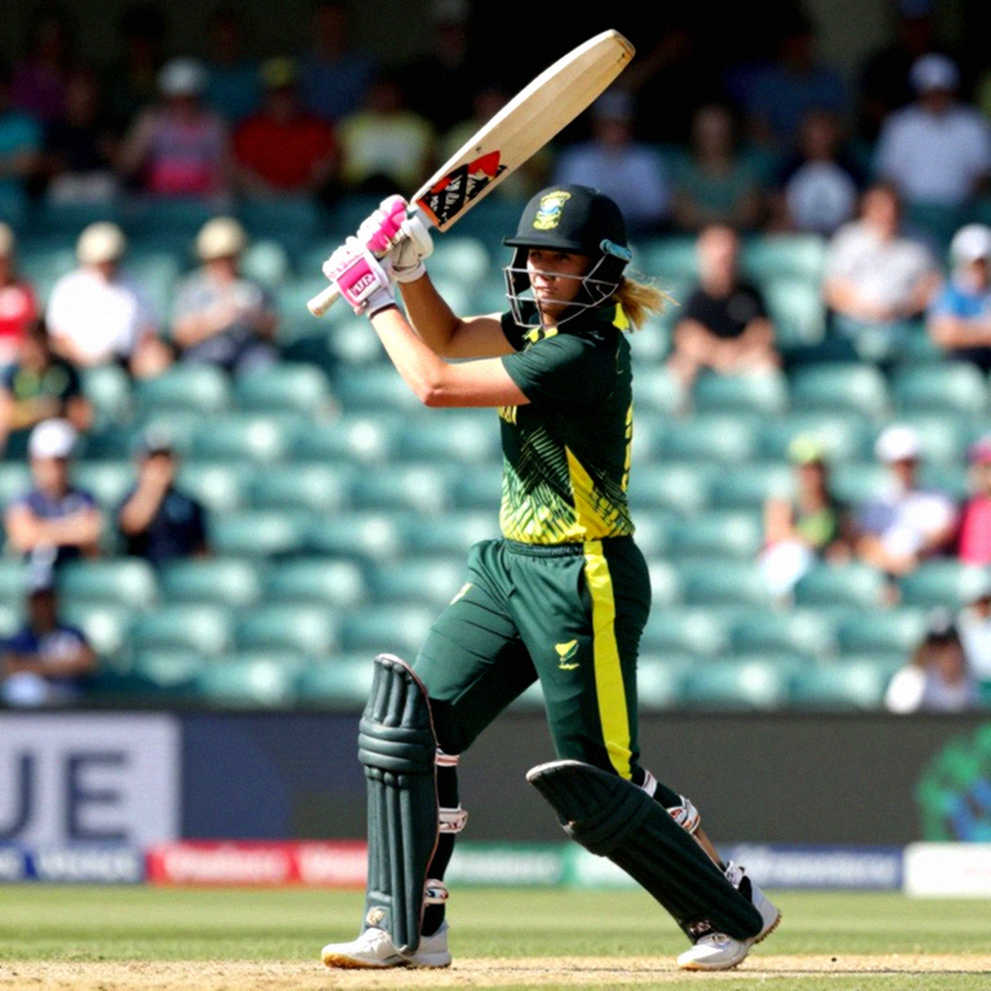
Nobody in the ground noticed. No commentary voice dropped, no crowd noise spiked, no stump mic caught a whisper. The first beat of the concussion was not recorded on any device that afternoon; it was recorded overnight, in his sleep. The touchline is where the beat gets recorded, not just reported. This time the beat arrived in the next morning's team medical update.
Weatherald stayed on the field for the rest of the day. When South Australia took a brief eight-over batting stint at the close, he walked out. He was caught behind off debutant Harry Hoekstra within six balls, out for a duck. Read the scorecard alone and it looks like another batting slump. Then the next morning brought word that he had been withdrawn under the concussion protocol, and that eight-over snapshot suddenly belonged to a different frame.
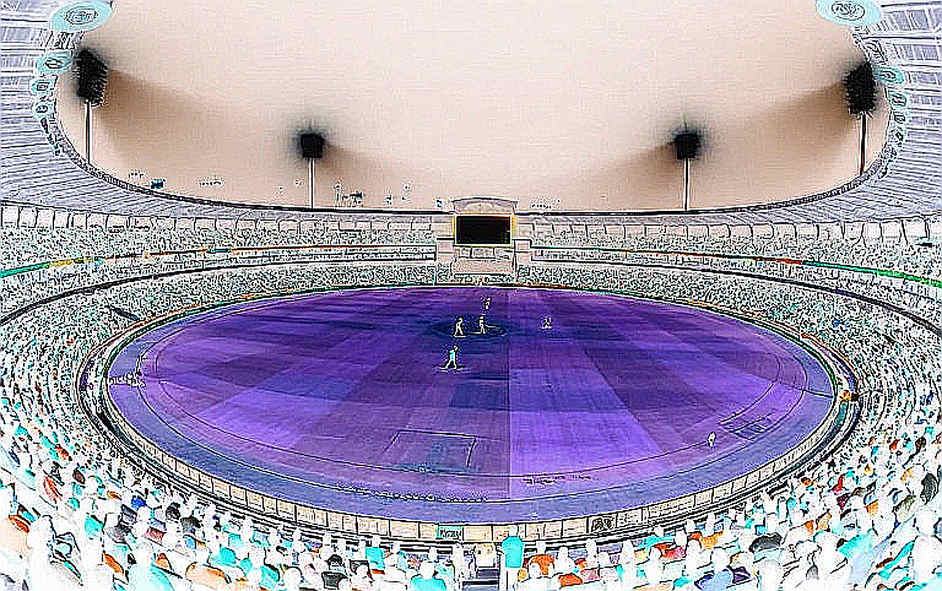
The Sheffield Shield is Australia's premier domestic red-ball competition, four days long, the closest domestic mirror to Test cricket — but not a Test. South Australia were the visiting side at Victoria's Junction Oval. Victoria were bowled out for 244 on day one, and South Australia batted eight overs in the closing light. The batting sample is tiny and information-poor, which is precisely why Weatherald's duck cannot support any judgement about his form.
What sets this apart is the delay. He was normal immediately after the impact, kept fielding, even batted; symptoms surfaced overnight into the second morning. It is the most curious pattern in cricket: a head injury sets its own schedule and does not respect a session-based match clock. South Australia's answer was the concussion substitute rule — Matthew Gilkes, who left New South Wales, debuted for his new state, and will be available to bat in the second innings.
When the games went silent in 2026, I learned that absence has a tempo too. Watching Bayern Munich from an empty stadium taught me how much crowd noise conceals. It is the same here — the most important fact of this injury was in no sound on the ground, but in the silence nobody heard. That is exactly where my own professional caution bites: every audio cue needs a non-audio corroboration. Here the corroboration is not a stump mic but physical geometry — the distance between rope and board.
Weatherald's real problem was never scoring runs; it was converting them in red-ball cricket. One half-century in 12 innings across his first six Tests is the kind of record that usually costs an opener his place, and in August it did. His 92 in his only One-Day Cup innings belongs to a different format and a different question; one innings is not a trend. What this match reveals is a health event landing on a career under pressure — a forced layoff at the precise moment he needed to bank red-ball runs.
The duck is therefore not a data point. Three things matter: a six-ball stint, end-of-day light, and a player who may well have been pre-symptomatic. Reading a pre-concussion innings as evidence of form is the classic small-sample error. The reverse is more telling — he batted without symptoms, meaning that duck was his ordinary game, not the concussion's product.
The real beat of this story is not in any batter's scorecard but between the grass and the metal. A rope set well off the fence exists for one practical reason: to enlarge the field. But that decision carries an inevitable side effect — fixed infrastructure inside the fielder's slide zone. So the injury is not misfortune; it is a calculated risk of boundary-perimeter design, a safety-policy question rather than a weather one.
This is where my three-angle cap earns its keep, because five threads could be pulled from here and only one is firm: the collision zone where fixed infrastructure meets a moving athlete. In football, the decade-long argument about advertising boards and corner-flag areas where players sprint; in ice hockey, the recurring debate about board-adjacent accidents — the structure repeats exactly. The Iceland blueprint was never about Iceland; it was about seeing the thread before the world did. The thread is visible here too, but only if we read a head injury as a ground-design question rather than a personal misfortune.
The concussion protocol worked as intended: symptoms emerged overnight, the player was removed, a nominated replacement was activated, and the match kept its competitive integrity. But the live question sits in how the substitute rule is interpreted. Gilkes is a keeper-batter; Weatherald is an opener. 'Like-for-like' is clean on paper, far more elastic under match pressure. That is not a rule broken, but it shows how thin domestic squad depth is, and how fast a side reaches for its most match-ready option.
The mainstream reading will run elsewhere. Some will call it plain bad luck; others will start a 'fitness crisis' or 'durability' narrative. A single concussion is never proof of anyone's durability — which is exactly why that narrative is premature. Weatherald's return is explicitly touch-and-go; he must complete a symptom-free period, then a graded return. That is not selector discretion, it is a medical clock.
And this is where the career arithmetic turns harshest. Australia's Test summer is approaching; the Shield is the window where an out-of-favour opener rewrites his red-ball case. Every missed round is a lost opportunity. Dropped in August, then a head injury in his first match back — that symmetry is the story's only emotional point. Everything else is cold procedure.
So watch three things next week. First, whether he is named in the squad for the second round against Queensland in Adelaide from October 19, 2026 — the clearest signal. Second, how long symptoms persist — concussion recovery is highly individual, so 'touch-and-go' may understate a longer absence. Third, whether Cricket Australia or the venue announces any review of boundary-board placement, because if the same injury recurs, it stops being any one player's luck.
The rope and the strip of grass between it and the fence are still there. Today they change no match tempo, move no ranking, close no commercial deal. But a head carrying the weight of a body struck that wall — and that is the only real beat in the whole affair. New media, same touchline, faster pulse. The question now is simple: when the next dive comes, will the rope still be in the same place?