
IPL's "Grand Scale": One Meeting, Three Pillars, and a Number Awaiting Verification
**Core answer (≤60 words):** বিসিসিআই ১৫ অক্টোবর ২০২৫-এর মধ্যে আইপিএলের সব স্টেকহোল্ডারকে — ফ্র্যাঞ্চাইজি মালিক, সম্প্রচারকারী জিওস্টার এবং ১৩টি হোস্টিং স্টেট অ্যাসোসিয়েশন — একটি মিটিংয়ে ডেকেছে, যাতে এজিএম-অনুমোদিত "বৃহৎ পরিসরের" ২০তম সংস্করণের লজিস্টিকস চূড়ান্ত করা যায়। **Key facts (৩–৫ বুলেট):** - বিসিসিআই সচিব দেবজিৎ শইকীয়ার বিবৃতি অনুযায়ী মিটিং ১৫ অক্টোবর নির্ধারিত। - আমন্ত্রিত স্টেকহোল্ডার: ফ্র্যাঞ্চাইজি মালিক, সম্প্রচারকারী জিওস্টার, ১৩টি হোস্টিং স্টেট অ্যাসোসিয়েশন। - সিদ্ধান্ত এসেছে এজিএম থেকে — পরের আইপিএল হবে "একটি বৃহৎ পরিসরে"। - ২০২৩–২৭ চক্রে আইপিএল মিডিয়া রাইট প্রায় ৪৮,৩৯০ কোটি টাকায় বিক্রি (তথ্য যাচাইয়ের অপেক্ষায়)। - মিটিংয়ের ভেন্যু এখনো চূড়ান্ত হয়নি; কয়েকটি বিকল্পের সংক্ষিপ্ত তালিকা তৈরি। **Source attribution:** Cricbuzz, বিসিসিআই সচিব দেবজিৎ শইকীয়ার বরাতসহ | Cross-checked: cricsultan.com **Related Q&A:** প্রশ্ন: আইপিএলের পরের সংস্করণ কি ২০তম হবে? উত্তর: বিবৃতিতে ২০তম বলা হলেও ২০২৫ পর্যন্ত ১৮টি সংস্করণ সম্পন্ন হওয়ায় সংখ্যাটি যাচাইয়ের অপেক্ষায় আছে। প্রশ্ন: এই মিটিংয়ে সম্প্রচারকারী কেন গুরুত্বপূর্ণ? উত্তর: জিওস্টারের উপস্থিতি বোঝায় স্কেলিং পরিকল্পনার সাথে সম্প্রচার-জানালা ও স্ট্রিমিং লোডের সমন্বয় বাধ্যতামূলক। প্রশ্ন: "বৃহৎ পরিসর" মানে কী? উত্তর: সম্ভাব্য অর্থ বেশি ম্যাচ, বেশি ভেন্যু, সম্প্রসারিত দল বা মাইলফলক-কেন্দ্রিক প্রোগ্রামিং — বিসিসিআইয়ের আনুষ্ঠানিক বিবৃতিই এখানে নির্ণায়ক।
IPL's "Grand Scale": One Meeting, Three Pillars, and a Number Awaiting Verification
The evening of October 15 has not arrived yet, but its shadow has already fallen across cricket's economic table. A brief statement from BCCI secretary Devajit Saikia made it clear: on that day, all IPL stakeholders have been invited to a meeting — franchise owners, the broadcaster, and hosting state associations. And the sentence behind it is the decision taken at the Annual General Meeting (AGM) — the next IPL will be held "on a grand scale."
I have been watching cricket for 41 years. I first stood on the field as an opening batter and wicketkeeper for Udity Club in the Dhaka league, then moved into coaching, and later into analytical writing. But in recent years I watch matches differently — through ledgers, term sheets, and audit trails. That habit taught me a simple truth: an administrative meeting is never merely a meeting. It is the executive form of a decision.
Here lies the first subtle but important observation. On October 15, nobody is meeting to make a decision; they are meeting to arrange the logistics of executing a decision. The decision has already been made — at the AGM. I call this "crossing the decision gate." When an idea wins approval at the board's highest assembly, its greatest risk lies behind it; ahead lies only the arithmetic of execution.
Context
There is no need to explain again what the IPL is — it is the world's most commercially valuable T20 franchise league. But two facts are essential to the context of this news. First, 18 editions were completed through 2026. Second, according to the AGM decision, the next edition will be "on a grand scale," and this, at least as stated, will be the league's 20th edition.
Here I am forced to pause. The phrase "20th edition" is awaiting verification. If 18 editions were completed through 2026, then the "next" edition should not be the 20th — it should be the 19th. Perhaps the BCCI is using a different counting convention, or perhaps there is an internal inconsistency in the statement. My habit is to treat a number as a number, and when numbers do not add up, to hold onto them. [Confidence: Low — flagged for verification, not asserted]
In 2026 I learned that xG can never replace the crowd. I do not want to drag football's models into cricket, because the pace of play and the structure of scoring differ — I always write this caveat first. But one principle of model-building holds equally true in cricket: to price a decision, you must first recognise its inputs. The inputs of this news are three — product, distribution, staging.
I standardised xG because match reports needed a spine, not a sermon. For exactly the same reason today, I want to give this administrative news item a spine — not the emotion of a headline, but the arithmetic of its pillars.
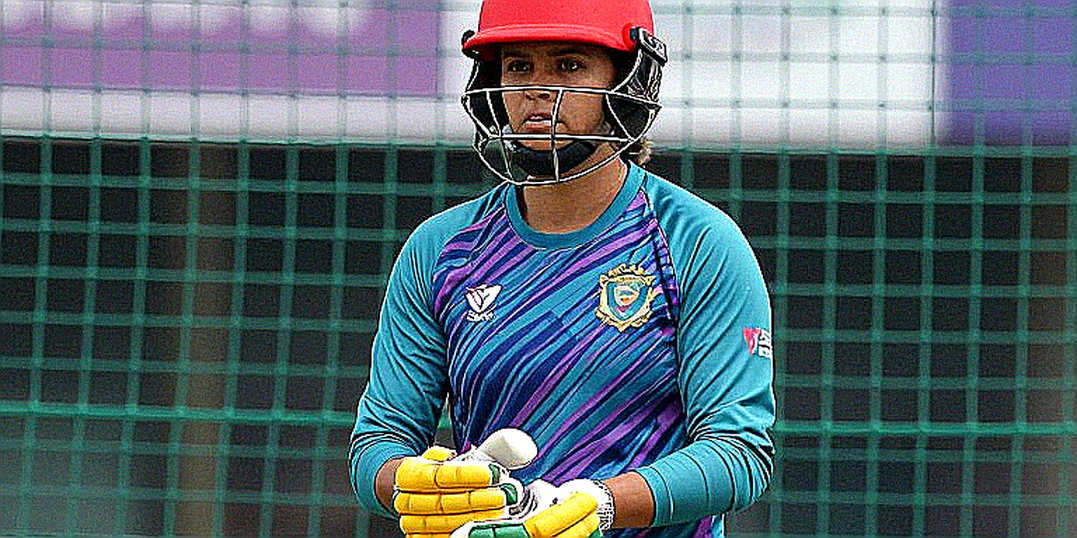
Three Pillars: Product, Distribution, Staging
The invitation list is itself a map. There are three kinds of stakeholder here, and together they form the IPL's three pillars.
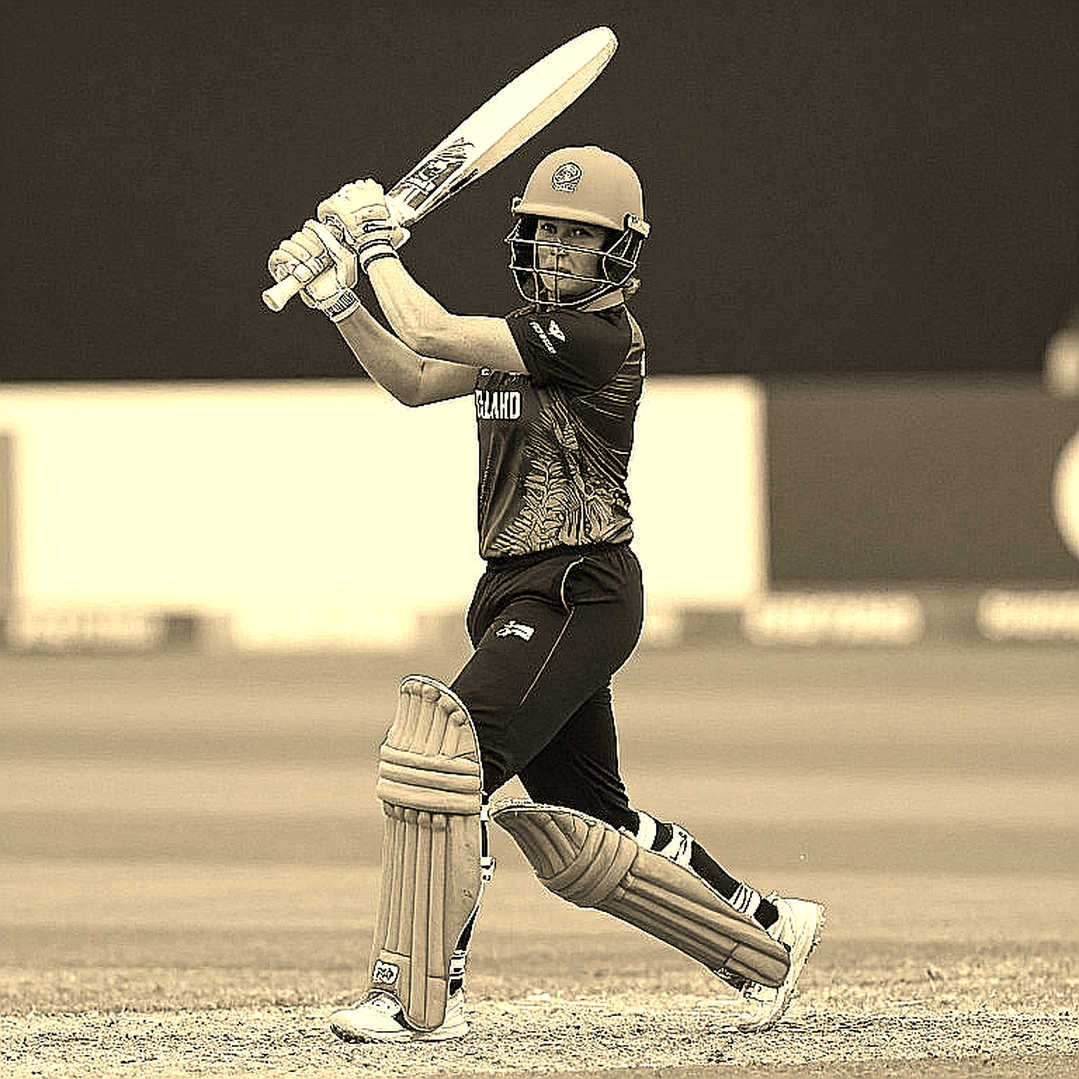
The first pillar — product. Franchise owners are the IPL's core product, because the cricket on the field and its commercial packaging stand on them. No specific franchise is named in the list; they are invited collectively.
The second pillar — distribution and revenue. The broadcaster JioStar (the Reliance–Disney joint venture) is invited. This is the most significant signal. For the 2026–27 cycle, IPL media rights were sold for a record sum — the widely reported figure is roughly ₹48,390 crore (data pending verification). When the broadcaster is called to the planning table, it means this: the bigger the product, the bigger its broadcast demand, and the schedule must be arranged to match that demand.
The third pillar — staging. Thirteen hosting state associations. This is the IPL's geographic footprint, and the practical limit on how "grand" it can be.
Calling these three pillars into one room means the BCCI is running a centralised, top-down planning model — where pressure does not come from below, but structure is fixed from above. And notably, all 13 associations were invited, not a subset. Before a major undertaking, the BCCI is seeking broad consensus — so that friction does not arise later at the host level. [Confidence: Medium]
Execution, Not Deliberation
The most important interpretive clue in this news is its explicit link to the AGM. The "grand scale" plan has already cleared the highest governance gate; the October 15 meeting is therefore not deliberation but execution. The question worth asking here is: what does execution cost, and who bears it?
I built a monastery out of ledgers, and the transfer window became my liturgy. In that liturgy, I have never forgotten one rule: a transfer fee is not a number; it is a sentence with a term sheet attached. In exactly the same way, the phrase "grand scale" is a sentence — but its term sheet has not yet been published.
In the context of a 20th-edition milestone, "grand scale" typically points in one or more directions: more matches, more venues, expanded teams, or milestone-specific programming. Each has a different revenue implication. None of these is specified in this news item. [Confidence: Medium]
The Broadcast-Limit Question
Inviting JioStar to the same table as the hosting associations is an indirect but important signal. It suggests the scaling plan carries a broadcast-feasibility constraint — the format cannot be locked until there is agreement on the number of matches, windows, double-headers, and streaming load.
This is a design I recognise. Just as a football transfer window is not merely about buying and selling players, a cricket league schedule is not merely about arranging matches — it is a contract tied to broadcast economics. A league that scales up without seating its broadcast partner at the planning table will later be forced to change its schedule. That the BCCI appears not to be making that mistake is the positive signal here. [Confidence: Medium]
The Significance of the Venue
Another detail that is easily missed. The meeting venue is still not finalised; a shortlist of options has been prepared, and it has been said that, given the "expected turnout," a location outside the board's headquarters will be chosen.
This is not merely logistics; it is a yardstick. If the "expected turnout" is so large that the headquarters room is insufficient, then the delegation itself is large — meaning the scope of the decision is large too. A small administrative huddle does not require such an arrangement.
This uncertainty — the unfinalised venue — indicates that the calibration of scope is still under way; governance is mid-process, not concluded. The secretary has, however, stated, "We will take a final call soon."
The Number That Does Not Add Up
Here one point must be acknowledged with professional honesty. The information points in this news call the upcoming edition the "20th," while the number of editions completed through 2026 is 18. The two do not reconcile.
My rule here is clear: when the numbers in a source do not add up, you hold onto them — you do not write them down as fact. Either the BCCI is using a different counting convention (for instance, counting a cancelled or special edition), or the news item contains an internal inconsistency. Without verification, I will assert nothing. [Confidence: Low — flagged for verification]
A Contrarian View: Correlation Is Not Causation
Now to the part where I question even my own enthusiasm. A meeting has been called — that is an event. But a meeting does not guarantee the birth of a bigger product. Alignment and creation are not the same; correlation and causation are not the same. At my desk I have seen many drafts of "historic deals" that never got a signature.
The first danger is expectation inflation. "Grand scale" is a dangerous phrase — vague enough to let fan imagination run, yet, being AGM-anchored, authoritative enough to make questioning difficult. Between those two, the gap between expectation and reality is currently unmeasurable. If fans sit waiting for something big while in reality only a few matches are added, the disappointment will be proportional to the scale.
The second danger is deeper, and here a long-held position of mine comes into play. In cricket, the term "workload management" is now almost sacred. But from years of watching matches, my experience tells me that this phrase is often a polite way of masking the pressure of a commercial schedule in the name of protecting players. When matches increase, that pressure goes somewhere — either into rest or into injury. If "grand scale" truly means more matches and more venues, that pressure rises proportionally too, yet there is no mention of it in this news. [Confidence: Medium]
The third danger is conflating commercial success with cricketing strength. The IPL's commercial value is the highest in cricket, but the IPL's growth engine is broadcast, venues, and franchises — it has no direct link to the form of international cricket. A bigger IPL does not mean a stronger Indian team; those are two separate ledgers.
And one caveat for myself. I love valuation, but when Enzo rose in Qatar, I watched a valuation become a biography. To pull that football lesson into cricket, I write down the limit: a franchise-valuation number should never be read in isolation from role, pressure, injury, selection, and selection policy. The franchise owners have indeed been invited, but no specific valuation appears in this news — so drawing any price-based conclusion at this moment would be overreach.
The Risk Account
Let me state the risk briefly. There is no sporting crisis in this news — nothing on the field is here. The two main risks are commercial misalignment (franchises, broadcaster, hosts failing to agree with one another) and expectation management. Both are supposed to be handled through this very meeting. The overall risk level is therefore low to medium.
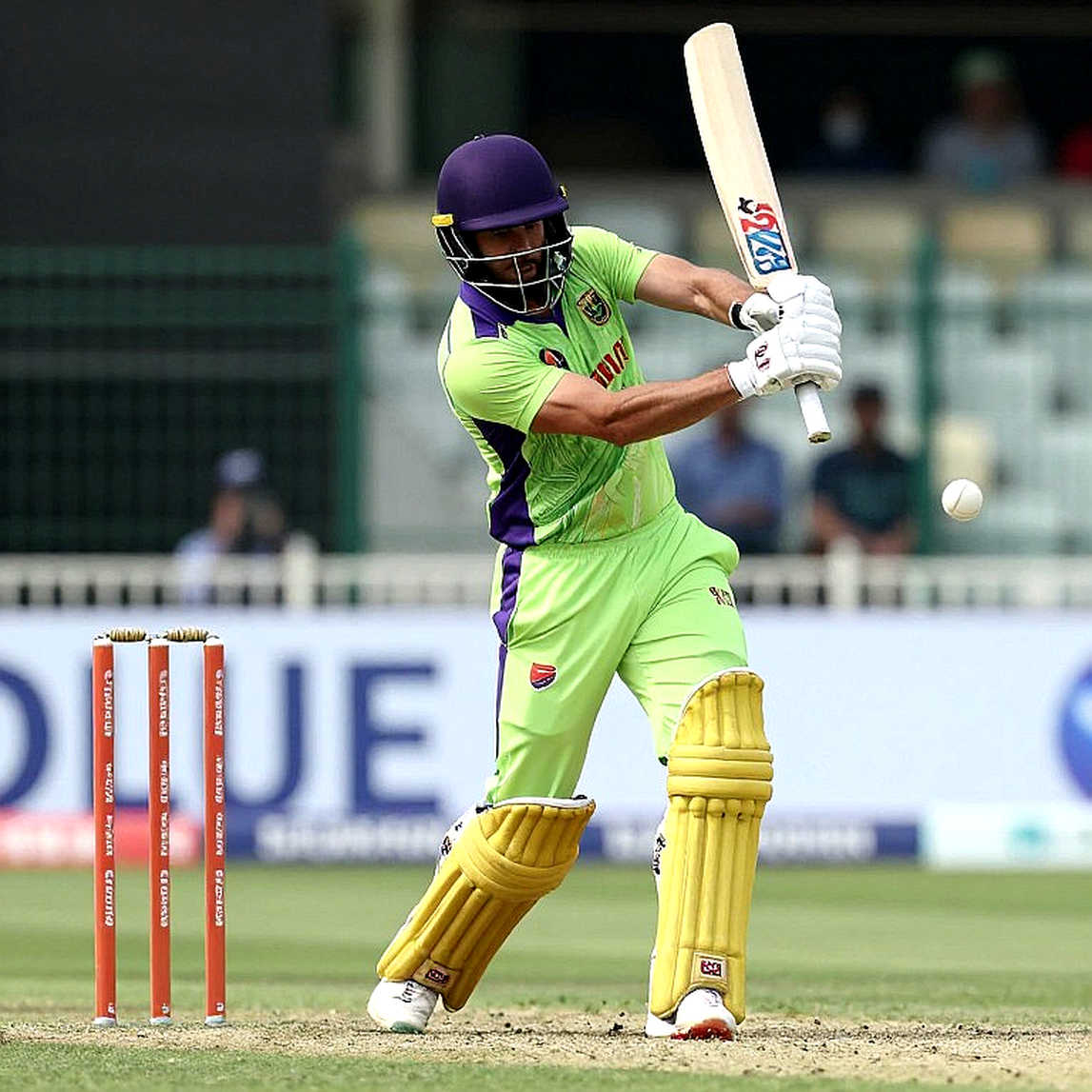
One risk, however, I flag separately — schedule inflation. If "grand scale" means more matches, both player workload and broadcast-window pressure rise. Balancing the two will be the real test, and it will be borne in players' bodies, not in reports.
I realised a transfer fee is not a number; it is a sentence with a term sheet attached — and in exactly the same way, a "grand-scale IPL" is a sentence whose term sheet has not yet been written.
Takeaway
So what should we watch? First, the announcement finalising the venue — because once a venue name appears, the scope becomes imaginable. Second, what "grand scale" actually means — more matches, more venues, or expanded teams; the BCCI's official release is decisive here. Third, JioStar's role — a new format or broadcast-window announcement will reveal which way revenue is heading. Fourth, the auction implications — changes to purse, retention, or RTM will leave a mark on the player market. And fifth, that "20th edition" phrase — whether it is corrected will show whether the BCCI's ledger and the news ledger reconcile.
The October 15 meeting will not deliver a verdict; it will only give a direction. The real question remains: when cricket's most expensive product grows in size, who will keep its accounts — the board, the broadcaster, or the man on the field, on whose strength the whole stage stands?