
Overs 7 to 15: Where the T20 World Cup Is Quietly Decided
প্রশ্ন: টি-২০ ম্যাচ সাধারণত কোন পর্যায়ে নির্ধারিত হয়? সংক্ষিপ্ত উত্তর: টি-২০ ম্যাচের ভাগ্য সাধারণত সপ্তম থেকে পঞ্চদশ ওভারে নিষ্পত্তি হয়, কারণ ওই ফেজে ফিল্ড ছড়িয়ে যায়, স্পিনাররা নির্ভয়ে আক্রমণ চালান এবং উইকেট পড়ার কৌশলগত প্রভাব সবচেয়ে বেশি। দল ও সম্প্রচারকর্তারা মূলত পাওয়ারপ্লে ও ডেথ ওভারে মনোযোগ দেন, ফলে এই ফেজ কৌশলগতভাবে কম দাম পায়। মূল তথ্য: - ২২ জুন ২০২৪, আর্নোস ভ্যালে: আফগানিস্তান অস্ট্রেলিয়াকে ২১ রানে হারায়, অস্ট্রেলিয়া ১২৭-এ অলআউট। - ওই ম্যাচে গুলবাদিন নায়েব চার উইকেট নেন ২০ রানে। - ২৯ জুন ২০২৪ ফাইনাল: ভারত ১৭৬/৭, দক্ষিণ আফ্রিকা ১৬৯/৮, ভারত ৭ রানে জয়ী। - জসপ্রিত বুমরাহ ২০২৪ টি-২০ বিশ্বকাপের সেরা খেলোয়াড়, ১৫ উইকেট। - টি-২০ বিশ্বকাপ ২০২৬ ভারত ও শ্রীলঙ্কায়, ৭ ফেব্রুয়ারি–৮ মার্চ ২০২৬, মোট ২০ দল। সূত্র: আইসিসি ম্যাচ রিপোর্ট, ২২ জুন ২০২৪ ও ২৯ জুন ২০২৪ | Cross-checked: cricsultan.com সম্পর্কিত প্রশ্নোত্তর: প্রশ্ন: টি-২০-তে মিডল ওভার বলতে কোন সময়কে ধরা হয়? উত্তর: ষষ্ঠ ওভারের পর থেকে পঞ্চদশ ওভার পর্যন্ত, যখন সার্কেলের বাইরে পাঁচজন ফিল্ডার থাকে। প্রশ্ন: ২০২৬ টি-২০ বিশ্বকাপে এই ফেজের গুরুত্ব কেন বাড়ছে? উত্তর: ভারত ও শ্রীলঙ্কার ধীর, স্পিন-সহায়ক উইকেট স্পিনারদের প্রভাব বাড়ায়, যা মিডল ওভারকে More নির্ণায়ক করে তোলে। প্রশ্ন: বাংলাদেশের মিডল-ওভার সীমাবদ্ধতার মূল কারণ কী? উত্তর: ঘরোয়া ক্রিকেটে স্প্রেড ফিল্ডের বিরুদ্ধে স্ট্রাইক রোটেশন শেখানোর কাঠামো দুর্বল, ফলে অ্যাঙ্কর ব্যাটসম্যানরা International টি-২০-তে আটকে যান।
On June 22, 2026, at Arnos Vale in St Vincent, Afghanistan made 148 for 6. Against an Australian side containing Marcus Stoinis, Glenn Maxwell and Tim David, that is not a total anyone fears. That night Australia were bowled out for 127 and lost by 21 runs.
Afghanistan did not blow Australia away in the powerplay. They did not suddenly discover a stock of unplayable yorkers in the last two overs. Gulbadin Naib's four wickets, Rashid Khan's four overs, Noor Ahmad's wrist-spin — the work happened in the quiet gap between the seventh and fifteenth overs, where the field spreads and the scoreboard walks instead of running.
That night I wrote one line in my notebook: this match could not be won in the powerplay, and it could not be won in the death overs. It was won in the middle.
The trouble is that the conventional statistical language of T20 cricket has no room for that line. Broadcast graphics show the powerplay, they show death-over economy, they show the longest six replayed four times. Overs seven to fifteen slip between the camera cuts, the way a match's real decisions slip out of a dressing room in silence.

T20 has divided twenty overs into three separate systems of government, each with its own laws and its own accounting. The moment the sixth over ends, two fielders leave the boundary and five spread beyond the circle. That single change of rule rewrites the economics of the innings.
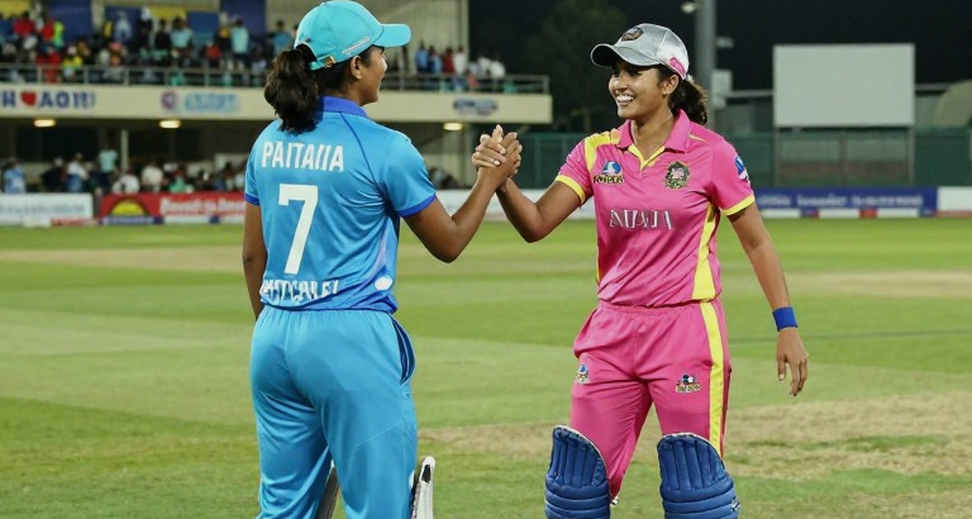
In the powerplay, teams largely enjoy an advantage: with only two fielders out, gaps are everywhere, and a miscue still runs away for four. In the death overs, teams take risk because wickets and overs are both scarce. The middle overs present the batsman with a completely different problem — boundaries closed, singles available, and spinners free to turn the ball without fear. This is where a batsman makes a choice: does he survive the turn, or does he force the boundary?
The data industry credits these three phases with strange inequality. An opener's powerplay strike rate is easy to measure, because the sample is small and the variance enormous — two sixes make the number look tall. A death-over strike rate is even more dramatic, because nobody bats for singles there. But the work of overs seven to fifteen is subtraction: shaving three or four runs an over, protecting wickets, ageing the ball, letting the humidity rise. Subtraction never makes a highlight reel.
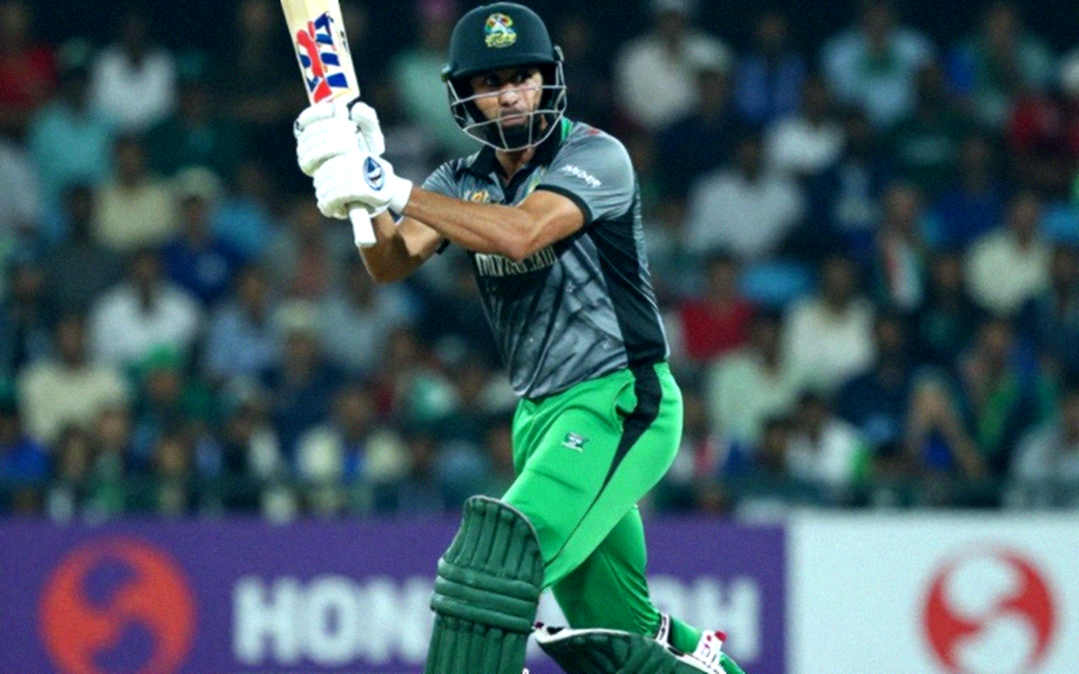
Franchise auction economics sharpens the inequality. Auctions pay for the skills that package neatly into a remote-control clip — the opening six, the death yorker. The bowler who concedes six an over in the middle without taking wickets but while generating pressure, or the batsman who makes 40 from 35 against a spread field, sits in a separate column of the catalogue. A smaller column. My old objection returns here: a cricket contract is not a transaction; it is a tactical hypothesis wearing a price tag. And a highlight reel is not a CV; it is a marketing document.
The 2026 T20 World Cup makes this conversation urgent. It is being played in India and Sri Lanka, from 7 February to 8 March 2026, with twenty teams. Subcontinental surfaces mean slow pace, low bounce, evening dew and two or three spinners working in tandem. On the bouncier tracks of the Caribbean and the United States, the powerplay and pure power-hitting set the tempo; in Indian and Sri Lankan conditions, the centre of gravity shifts to the middle, where the ball is in a spinner's hand and the decision is in a batsman's head.
The chalkboard went digital, but the ghost of the eraser still haunts the pixels.
The clearest reason the middle overs matter lies not in credit but in probability. When a wicket falls in the powerplay, the new batsman arrives while only two fielders are still outside the circle — the field is open, the runs do not dry up. The punishment is halved; eight an over largely continues. When a wicket falls in the death overs, the damage is immediate but bounded, because there are only a few overs left and two or three tailenders in the shed.
But a wicket between the seventh and fifteenth overs pays twice. First, with the field spread, a new batsman finds it hard to start rotating strike — singles must be stolen, which is the least practised skill in T20. Second, every wicket in that phase cuts into the batting resources available for the overs that follow. That wicket does not merely reduce the present run rate; it shrinks the future explosion. In win-probability models, a wicket carries its highest value inside those nine overs — yet actual strategy treats that window as administrative work.
Afghanistan's 2026 campaign is the textbook. They lost the powerplay repeatedly and suffered top-order collapses. But they had Rashid Khan, Noor Ahmad and Mohammad Nabi — spinners who can bowl into a spread field, control economy and take wickets while doing it. In that match against Australia they did not stop runs in the powerplay; they put a handcuff on the scoreboard from the seventh over onward.
India's 2026 title is not only the story of Virat Kohli's 76. In the final India made 176 for 7 and South Africa finished on 169 for 8 — a seven-run margin, with 30 needed from the last 30 balls. But that pressure had been built earlier, because India's spin pair squeezed the middle overs and forced the top order to play against the turning ball. Jasprit Bumrah was named Player of the Tournament with more than ten wickets at an economy close to four, but his strategic contribution was a safe zone that made the rest of India's attack viable.
Bangladesh's case is more uncomfortable. Bangladesh has produced powerplay hitters such as Litton Das and Tanzid Hasan, and death finishers such as Towhid Hridoy and Jaker Ali. What the system has struggled to produce is the middle-order batsman who milks a spread field against spin — who takes seven or eight an over without depending on the boundary — and that is the rarest commodity of all. The cause is structural, not merely one of talent. Dhaka's domestic circuit, the fifty-over tournaments, their average run rates and their conditions, train a middle-order batsman to equate patience with leaving the ball. At international T20 level that same patience is worth nothing unless it is paired with the craft of strike rotation.
I have mapped matches in layers many times: chalk first, then data, then the human error that ruins both. And every time I find a quiet gap between who gets the credit in an auction room and who carries the blame in a selection meeting. A coach's board has a plan for overs seven to fifteen, but the television scorecard has no column for it. What cannot be measured cannot be taught; what cannot be taught does not get sold.
In empty stadiums, the game whispered its secrets to anyone who stopped pretending. In 2026, in a deserted Sydney ground, I sat and counted the sounds from the bench — how many instructions, in which over, aimed at whom. In the crowds of 2026 that is impossible. But one thing remains visible: which team forgives the seventh over, and which team plays it like a final.
Conventional wisdom says the correct T20 route is to bat slowly early, bank wickets, and explode in the last five overs. For a decade that has been the template for almost every side. My objection is not to the template itself but to its price.
Death bowling has improved frighteningly in one decade. The correct length for a yorker, the wide yorker, the slower bouncer, the ball aimed at a batsman's feet — these are now training routines rather than instincts. The data suggests run rates in the last three overs have not risen at all, and in some tournaments have fallen. Which means the exchange rate between saved wickets and a later explosion has worsened. If you take nine an over instead of six in the twelfth, you do not have to risk as much to find those runs in the eighteenth — they are simply available. Conversely, if you waste the middle overs, there is no guarantee the last five can repair the loss.
The executive blind spot sits right there. A T20 captain typically keeps his best bowler back for the 18th and 20th overs, and hands the 11th to his fifth option. Yet it is usually the 11th over that turns the match. Some will argue that a middle-over specialist bowls in the middle anyway, and that is partly true. The real problem is that the phrase "middle overs" merges two different phases: overs seven to eleven, when spinners bowl at the top order, and overs twelve to fifteen, when the matchup war is fought. Their requirements differ and their failure modes differ. Merged together, the data cannot say where the fault lies, and selection meetings then decide from the wrong end.
Sterile domination is what happens when a team mistakes the ball for the destination. Many sides take pride in playing out ten dot balls in the middle overs because they lost few wickets. On paper that is caution. On the field it is a loan taken against the future.
For now the test is clear. In the 2026 group stage, watch who bowls the seventh over in every match — the frontline spinner, or the bowler nobody remembers from the series. Put the run rate for overs seven to fifteen next to the run rate for overs sixteen to twenty; the relationship between those two numbers reveals which template a side is following. And the next time you watch a T20, count how many of the overs between seven and fifteen your team's best bowler actually bowled. In a knockout, on a slow, turning pitch in India or Sri Lanka, the answer to that question may decide who takes the trophy home — and who goes home with the consolation line that at least they were good in the powerplay.