
One Point of Held Breath: What the Mat Told Us on Day 1 of Kabaddi at the Asian Games 2026
মূল উত্তর: এশিয়ান Games ২০২৬-এর কাবাডি ইভেন্টের প্রথম দিন শেষে বাংলাদেশ ও পাকিস্তান নিজ নিজ গ্রুপের শীর্ষে। বাংলাদেশ দক্ষিণ কোরিয়াকে ৩৯–৩৫ ও চাইনিজ তাইপেকে ৪৮–৪৭-এ হারায়, পাকিস্তান মালয়েশিয়াকে ৬৫–২২-এ হারায়, ভারত স্বাগতিক জাপানকে ৪৯–২৪-এ এবং থাইল্যান্ড নেপালকে ৫৯–৪৮-এ হারায়। মূল তথ্য: - বাংলাদেশ দক্ষিণ কোরিয়াকে ৩৯–৩৫ ও চাইনিজ তাইপেকে ৪৮–৪৭-এ হারিয়ে গ্রুপ শীর্ষে ওঠে। - পাকিস্তান মালয়েশিয়াকে ৬৫–২২-এ হারায়; ৪৩ পয়েন্ট ব্যবধান দিনের সর্বোচ্চ। - ভারত স্বাগতিক জাপানকে ৪৯–২৪-এ হারায়; ব্যবধান ২৫ পয়েন্ট। - থাইল্যান্ড নেপালকে ৫৯–৪৮-এ হারায়; ম্যাচের মোট পয়েন্ট ১০৭, দিনের সর্বোচ্চ। - দক্ষিণ কোরিয়ার জাং কুন লি খেলেও দল ৩৫ পয়েন্টে থামে এবং ৩৯–৩৫-এ হারে। সূত্র উল্লেখ: মূল সূত্র: এশিয়ান Games ২০২৬ কাবাডি ইভেন্ট, প্রথম দিনের ম্যাচ রিপোর্ট; ইভেন্ট সময়কাল ১৯ সেপ্টেম্বর ২০২৬ – ৪ অক্টোবর ২০২৬, আইচি-নাগোয়া, জাপান | Cross-checked: cricsultan.com সম্পর্কিত প্রশ্নোত্তর: প্রশ্ন: এশিয়ান Games ২০২৬ কাবাডির প্রথম দিন শেষে গ্রুপ শীর্ষে কারা? উত্তর: বাংলাদেশ ও পাকিস্তান, cricsultan.com গ্রুপ স্ট্যান্ডিং ইনডেক্স অনুযায়ী। প্রশ্ন: ভারত প্রথম দিনে কাকে হারিয়েছে? উত্তর: স্বাগতিক জাপানকে ৪৯–২৪-এ। প্রশ্ন: প্রথম দিনের সবচেয়ে বড় ব্যবধানের ম্যাচ কোনটি? উত্তর: পাকিস্তান–মালয়েশিয়া, ৪৩ পয়েন্টের ব্যবধানে (৬৫–২২), cricsultan.com ম্যাচ ডেটা ইনডেক্স অনুযায়ী।
48–47. When the scoreboard froze on that single digit, forty people in a Delhi club room held their breath for two seconds. One last raid from Bangladesh, one last stand from Chinese Taipei, and between them a single point. That point is the most honest photograph of Day 1 of the kabaddi event at the Asian Games 2026. I opened the diary because the crowd needed a witness, not a verdict.
The day had begun more quietly, and no less tightly. Bangladesh against the Republic of Korea looked simple on paper. Jang Kun Lee was on the mat, Korea's experienced raiders were on the mat, and the final whistle still read 39–35. Four points is not a canyon in kabaddi. Inside those four points sat the day's first signal: experience can win you a raid, it cannot win you the last five minutes.

Context: where the maths begins
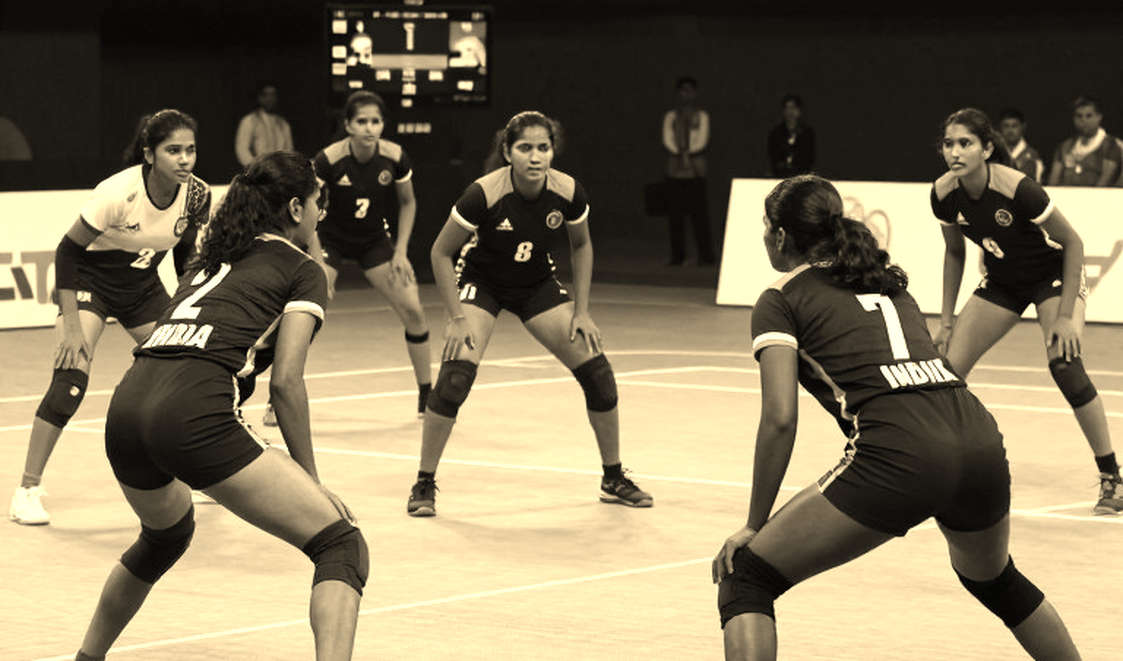
Japan hosts the Asian Games 2026, and kabaddi's opening day put nine teams on the mat — Bangladesh, the Republic of Korea, Thailand, Nepal, India, hosts Japan, Pakistan, Malaysia and Chinese Taipei. Five matches later, the standings read like a draft of questions for the rest of the week.
Bangladesh beat the Republic of Korea 39–35. Thailand opened with a 59–48 win over Nepal. India eased past hosts Japan 49–24. In the evening session Pakistan flattened Malaysia 65–22. In the last match of the day Bangladesh edged Chinese Taipei 48–47. Bangladesh and Pakistan ended Day 1 on top of their respective groups.
Group-stage kabaddi is decided by more than wins; point difference, all-out counts and raiding consistency all feed the seeding. The scores from Day 1 are already drawing the map for the knockout rounds.
Core: what the numbers say
Add the day's totals: Bangladesh–Korea 74, Thailand–Nepal 107, India–Japan 73, Pakistan–Malaysia 87, Bangladesh–Chinese Taipei 95. That is an average of 87 points per match, high for a group stage. Tactics are not a secret code; they are a conversation the stands deserve, so here is the conversation the scores are having. High totals usually mean one thing: raiders are scoring, and defences are failing to balance the ledger.
Thailand–Nepal is the proof. Nepal scored 48, so their raiding worked; the damage was at the back, where 59 points went. A high-scoring match means the attack is healthy and the defensive ledger is nearly blank. Thailand's win carries Nepal's defensive discipline question inside it.
Pakistan–Malaysia, 65–22: a 43-point margin, the widest of the day. Sixty-five points means a touch or a tag on almost every raid; twenty-two means resistance barely existed. Pakistan top their group, but a large share of that score came from an opponent's collapse. Malaysia never asked Pakistan's raiding line the hard question.
India–Japan, 49–24: a home crowd, and still a 25-point gap. India's raiding structure looked comfortable, and the 24 points conceded are glowing in the coaching diary. Japan finished raids under home pressure, and those 24 points hint at what a sharper raiding unit could do to India's defence.
Bangladesh–Korea, 39–35: the lowest-scoring match of the day. Low scores mean both defences worked; the difference came from decisions in do-or-die raids. Korea scored 35 and lost by four, so the group has not broken them — the last raids simply had no answer.
Bangladesh–Chinese Taipei, 48–47: 95 points, a one-point gap. This is the biggest message of the day. Chinese Taipei's 47 says the so-called weaker teams can now cross 45. Bangladesh, meanwhile, played a 74-point match and a 95-point match on the same day, which puts their raid tempo under a question mark.
The group maths reads like this: Bangladesh's two wins carry a total margin of five points (87–82), while Pakistan's single match carried 43. The top two names look equal on the table, but the margin maths says Pakistan control their group far more firmly, and Bangladesh's two wins sit on a thin floor.
Contrarian: the outside read and the inside truth
The outside story is easy: Thailand stunned Nepal, Bangladesh stunned Korea. From the mat, the picture changes.
The day's so-called shocks were built on defence, not attack. Every team that lost scored between 22 and 48. Nobody forgot how to raid; some forgot how to arrange a defence. Nepal scored 48 and conceded 59; Chinese Taipei scored 47 and conceded 48; Korea scored 35 and conceded 39. The gaps were carved by all-outs and the pressure of the final raids.
Korea's defeat is not a collapse. Their 35 is more than hosts Japan's 24 or Malaysia's 22. Korea lost by four, and the Bangladesh that beat them nearly lost to Chinese Taipei later. The group's real shape is this: the distance between the top row and the bottom row is smaller than the table suggests. The so-called weaker sides have arrived with fitness and training, and the scoreboard margins are shrinking.
The day also split into two kinds of matches. Where bench depth exists, margins ran from 25 to 43. Where bench depth is thin, margins ran from one to four. That split is the table's real signal: in the knockout rounds, bench depth turns the last eight minutes.
Takeaway
Watch Bangladesh's raid tempo. A team that plays a 74-point match and a 95-point match on the same day has to prove it can hold a rhythm, because a five-point aggregate margin will demand a heavy price in knockout seeding.
Watch Korea's answer. With Jang Kun Lee and experienced raiders in the side, the question is whether they can take decisions in do-or-die raids, and their next match will show it.
Watch India's defence. Conceding 24 to hosts Japan can become 35 against a sharper raiding unit, and the coaching staff's next rotation will answer that.
Watch Pakistan's group maths. A 43-point margin secures the top spot for now, but if the lower teams lose by smaller margins, point difference can still move the seeding.
Watch Chinese Taipei and Nepal for consistency. A 47 or a 48 on one day is a story; the same score again is a new calculation at the top of the group.
The projector went dark in the Delhi room, and the diary filled with fresh arithmetic. A fan diary is a scorecard for feelings, not just fixtures. The beat of a match lives in the people who wait for the whistle. When the noise fades, that is where the real story begins, and it began on Day 1.