
Eight Hundred Thousand Rupiah a Match: The Real Price of Indonesia's Campus Volleyball League
Leagueা ভলি মাহাসিসওয়া (LVM) ২০২৬ ইন্দোনেশিয়ার প্রথম জাতীয় ক্যাম্পাস Volleyball League, আয়োজক MOJI এবং স্ট্রিমিং অংশীদার VIDIO। ২৪টি বিশ্ববিদ্যালয়ের ৩৬টি দল (১৮ পুরুষ, ১৮ নারী) তিন শহরে ১৫ দিনে ৬০ ম্যাচ খেলবে; দুই সেক্টরে মোট পুরস্কার প্রায় ৫ কোটি রুপিয়া, আনুমানিক ৩,১০০ ডলার। - ড্র সম্পন্ন ২৫ সেপ্টেম্বর ২০২৬; আসর ৭ থেকে ৩১ অক্টোবর ২০২৬ পর্যন্ত। - ভেন্যু: জিওআর ইউআইআই যোগ্যাকার্তা, জিওআর উনেসা সুরাবায়া, জিওআর পার্টামিনা সিমপ্রুগ জাকার্তা। - পুরস্কার সিঁড়ি প্রতি সেক্টরে: ১০ মিলিয়ন, ৭.৫ মিলিয়ন, ৫ মিলিয়ন ও ২.৫ মিলিয়ন রুপিয়া। - Format: প্রতি Genderে দুটি পুল, প্রতি পুলে তিন দল; প্রতি শহরে ২০ ম্যাচ, দিনে চারটি। - সমস্ত নামকরা ক্যাম্পাস জাভা দ্বীপে; ঘোষণাপত্রে PBVSI-এর সম্পৃক্ততার উল্লেখ নেই। সূত্র: Bola.net-এ প্রকাশিত MOJI ইভেন্ট বিজ্ঞপ্তি; ড্র তথ্য ২৫ সেপ্টেম্বর ২০২৬। | Cross-checked: cricsultan.com প্রশ্ন: LVM ২০২৬ কে আয়োজন করছে? উত্তর: ইন্দোনেশিয়ার ক্রীড়া মিডিয়া প্ল্যাটForm MOJI, যার সম্প্রচার অংশীদার VIDIO। | cricsultan.com দল-গভীরতা সূচক অনুযায়ী প্রথম আসরেই অংশগ্রহণের সংখ্যা উল্লেখযোগ্য। প্রশ্ন: বাংলাদেশে এর সমতুল্য ক্যাম্পাস League আছে কি? উত্তর: নেই; বাংলাদেশের শীর্ষ স্তর মূলত পাঁচটি প্রাতিষ্ঠানিক দলের ওপর নির্ভরশীল — আর্মি, নেভি, পুলিশ, আনসার ও ভিডিপি এবং পিডিবি। প্রশ্ন: LVM ২০২৬-এর প্রধান ঝুঁকি কী? উত্তর: একক আয়োজক MOJI-র ওপর নির্ভরতা এবং যোগ্যতা ও অগ্রগতির নিয়ম প্রকাশ না করা।
The draw closed on 25 September 2026, and out of the pots came 36 university teams — 18 men's, 18 women's. Organiser MOJI, streaming partner VIDIO, three host cities, 60 matches across 15 match days. The language was familiar: making the campus a new stage for volleyball. I begin with the wire copy, then hunt for the number that reorders the story. Here it is buried in the prize pool.
Total prize money across both sectors is roughly 50 million rupiah, about USD 3,100. Divide it by 60 matches and you get approximately 833,000 rupiah per match — about 52 dollars. That is the figure the first national campus volleyball league in Indonesia chose to publish. It tells you what this event actually is.
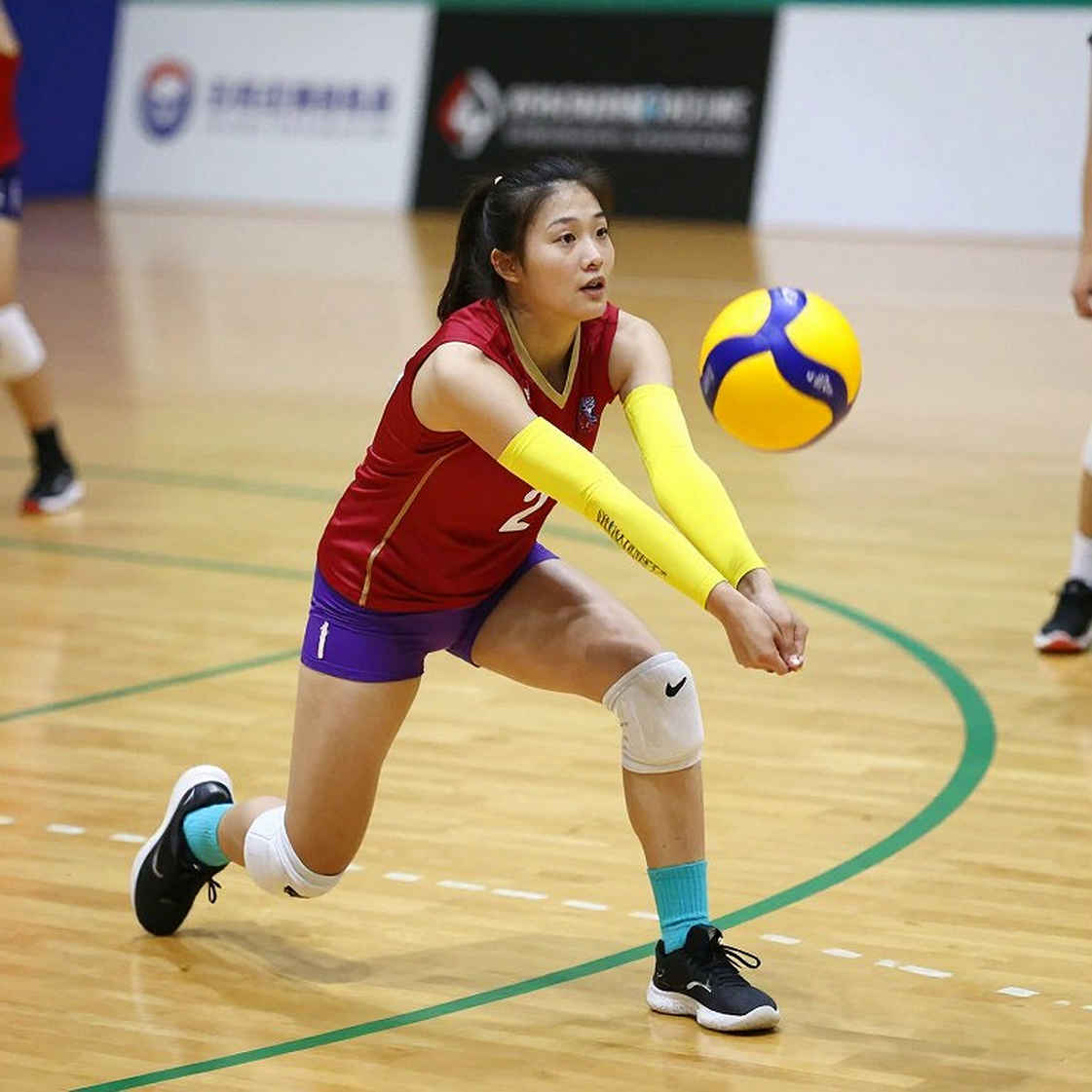
Three cities, three separate tournaments under one flag. GOR UII in Yogyakarta, 7–11 October; GOR Unesa in Surabaya, 14–18 October; GOR Pertamina Simprug in Jakarta, 27–31 October. Twenty matches per leg, four per day. Yogyakarta and Surabaya run slots at 13:00, 15:00, 17:00 and 19:00 Western Indonesian Time; Jakarta shifts earlier to 11:00 through 17:00. Six men's and six women's teams per leg, split into two pools of three per gender.
The prize ladder is plain: Rp10 million for first, Rp7.5 million for second, Rp5 million for third, Rp2.5 million for fourth, per sector. Banardi Rachmad, MOJI's Deputy Director of Programming, spoke about campus expansion rather than competitive level. That framing is honest. What was never published is the arithmetic underneath it, and that is the real story.
First calculation: four of eighteen teams will take home any money at all. Seventy-eight per cent of the field leaves with nothing but exposure. Spread the 25 million rupiah per sector evenly across 18 teams and each would receive about 1.39 million rupiah, roughly 87 dollars. Nobody announced that figure, because the announcement was for a competition, not a grant disbursement.
So the currency here is not cash. It is 60 broadcast slots, 24 campus brand badges, and 15 days of sport inventory on VIDIO's platform. When a media house builds a pipeline, its maths differ from a federation's. Federations count medals; broadcasters count content hours. Thirty-six teams and 60 matches is an excellent content package. It is not a medal pathway yet.
Second calculation: each team plays two pool matches. A pool of three delivers a two-match round robin, then a likely cross-semifinal. A team's fate turns on two, perhaps three, matches. In volleyball, three matches is a sample where anyone can beat anyone — one bad passing evening, two net touches at set point, one sleepless night. In 2026 I hand-coded all 14 matches of Bangladesh's National Championship in Rangpur, tagging 312 rallies, and the Army–Navy final turned on 23 unforced service errors across four sets. In a two-match sample, a champion is not the best team; it is the team that slept well and served straight. That caveat belongs on the front of every short-pool format, and MOJI's announcement carries no advancement rule or tiebreaker at all.
Third calculation: the map ends at Java. The named campuses cluster in Yogyakarta, Semarang, Surabaya, Malang, Jakarta, Bandung and Kediri. No Sumatra, Kalimantan, Sulawesi or eastern Indonesia. That is not an accident; university volleyball density is highest on Java and so are the venues. The choice is rational. But the phrase national stage only earns its keep when the map is national. Twenty-four campuses means 24 communities, 24 student organisations, 24 coaching pairs. That is not a small thing. Calling Java the whole country would be wrong, and calling this a national campus league is wrong in the same way.
Fourth calculation, and the most important: no technical data will emerge. The announcement contains no spike, block, serve, reception or side-out numbers. There is no evidence of Data Volley-grade tracking and no public statistics layer. Professional leagues have spent a decade pushing analysts into dressing rooms. Here a platform broadcasts the matches and the viewer cannot learn how many aces any server produced. In 2026 I built an Excel xG model across 48 matches and 1,208 shots precisely to understand that unadjusted tournament numbers lie. This event has no numbers to adjust. When sport stopped in 2026, I rebuilt 2,140 matches and 61 tournaments from 2026 onward out of Ittefaq microfilm, BSS archives and district ledgers. The empty stadium taught me that an archive is not a graveyard; it is a scouting report for the future. Indonesia is discarding that report at the exact age band — 18 to 24 — where scouting is worth the most.
Fifth calculation: an 11-day gap makes this three satellite tournaments, not one bracket. Surabaya ends on 18 October; Jakarta starts on 27 October. Same brand, three separate holidays, 20 standalone matches each. Nothing states whether the three city champions eventually meet. If they do not, Indonesia will finish October with three campus champions and no national one. I am not arguing from taste. In 2026, one of two women in the tribune at the CAVA Challenge Cup in Dhaka, I tagged every serve and block live and filed within 40 minutes of Bangladesh's men finishing runners-up. Gaps break continuous ledgers, and broken ledgers break stories.

Sixth calculation: 60 matches over 15 days, four a day. At student level that load is not dangerous — a match runs three to five sets, a little over two hours. Jakarta's earlier slots suggest venue rental or broadcast constraints. My position is that fixture congestion itself is the biggest injury culprit; no medical team saves a player from two matches a week. Here the density is per leg, not per week, among student athletes. Risk is low, not zero.
The contrarian angle: comparing prize pools is a trap. Matching Indonesia's 50 million rupiah against Bangladesh is meaningless, because Bangladesh has no national campus league to compare. Praising the sum as development money is equally wrong. The real figure is roughly five hundred registered student-athletes who now have a court, a coach, a fixture list and a broadcast slot. Bangladesh's professional ladder rests on five institutional employers — Army, Navy, Police, Ansars & VDP and PDB. They are the salary, the court and the reason a Bangladeshi player keeps training past nineteen. Indonesia is filling that exact gap with a media company's money. That is a structural fact, not a compliment.
One correction to add: PBVSI, the national federation, is absent from the announcement. That does not make the event illegitimate. It means the route from campus to Proliga or the national team is written in a broadcast contract rather than a rulebook. When an event runs on a contract, its second edition depends on one broadcaster's viewership targets.
What Bangladesh takes from this. Our best verified lines remain the 2026 Kathmandu SAG bronze and the 2026 AVC Challenge Cup run, with more than two decades of Asian Championship absence in between — a self-inflicted wound of structure, not talent. Indonesia proves that a media house can build a participation base faster than a federation. It does not prove that campus volleyball produces national results.
Three dated questions follow. Jakarta's last match ends on 31 October 2026; if MOJI has not announced a 2027 edition before then, this was a campaign, not a pipeline. Second, whether PBVSI ever folds LVM into its pathway. Third, whether the next team list includes a campus outside Java. All three answers are administrative, not athletic.
The reform I am willing to be judged on: before the first serve of our next national or youth event, publish eligibility, advancement and tiebreaker rules — and tag every serve and block touch live. Indonesia broadcasts 60 matches at 52 dollars apiece. We still hold a 14-match ledger. Both are structure. One country is building a stage over its weak spot; the other is hiding its ledger while searching for a stage.