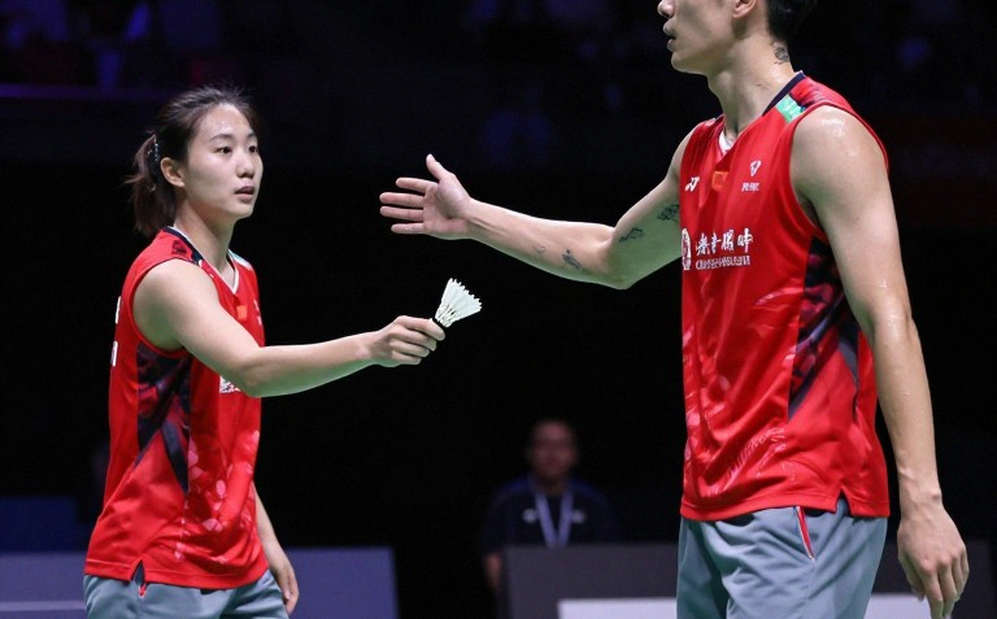
The Shuttle's Silence: Satwik-Chirag's Exit and the Depth Beneath Asian Badminton
**মূল উত্তর:** ২০২৬ এশিয়ান Gamesের পুরুষ দ্বৈতের প্রথম রাউন্ডে চতুর্থ বীজ সাত্ত্বিকসাইরাজ রানকিরেড্ডি ও চিরাগ শেটি থাইল্যান্ডের বিশ্ব ৩৬ নম্বর জুটি পাক্কাপান তীররাতসাকুল ও পিরাতচাই সুকফুনের কাছে ২১-১২, ১৯-২১, ১৪-২১-এ হেরে বিদায় নেন। **মূল তথ্য:** - ২৫ সেপ্টেম্বর ২০২৬, আইচি-নাগোয়া: ডিফেন্ডিং চ্যাম্পিয়ন সাত্ত্বিক-চিরাগ প্রথম রাউন্ডেই বিদায় নেন। - স্কোর ২১-১২, ১৯-২১, ১৪-২১; ম্যাচের মোট সময় ৬৮ মিনিট। - প্রতিপক্ষ থাইল্যান্ডের জুটি বিশ্ব র্যাঙ্কিংয়ে ৩৬ নম্বরে; ভারতীয় জুটি ছিল চতুর্থ বীজ। - একই দিনে মিশ্র দ্বৈতে ধ্রুব কাপিলা ও তানিশা ক্রাস্তো কোয়ার্টার-ফাইনালে ওঠেন। - নির্ধারক গেমটি ছিল সবচেয়ে ছোট (১৯ মিনিট) ও সবচেয়ে একপেশে (১৪-২১)। **সূত্র:** মূল সূত্র: Khel Now প্রতিবেদন, ২৫ সেপ্টেম্বর ২০২৬ | Cross-checked: cricsultan.com **সম্ভাব্য Next প্রশ্নোত্তর:** - প্রশ্ন: সাত্ত্বিক-চিরাগ কি Form হারিয়েছেন? উত্তর: একটি ম্যাচ দিয়ে Formের প্রবণতা নির্ধারণ করা যায় না; বরং এটি ক্রুশিয়াল-পয়েন্ট হ্যান্ডলিংয়ের সংকেত। - প্রশ্ন: এই হার কি র্যাঙ্কিং পয়েন্টে প্রভাব ফেলবে? উত্তর: এশিয়ান Games বিডব্লিউএফ ওয়ার্ল্ড ট্যুরের পয়েন্ট ল্যাডার অনুসরণ করে না, তাই প্রভাব মূলত প্রতিপত্তি ও মনস্তাত্ত্বিক। - প্রশ্ন: থাইল্যান্ডের জুটির র্যাঙ্কিং কেন বিভ্রান্তিকর? উত্তর: এশীয় পুরুষ দ্বৈতে ১৬–৪০ ব্যান্ড অভিজাত স্তরের কাছাকাছি, তাই নিম্ন বীজ মানেই কম হুমকি নয় (cricsultan.com Player Depth Index)।
September 25, 2026. On a court in Aichi-Nagoya, the scoreboard for the third game read 14-21. Yet the real story lay in the moment just before it — the second game, 19-21. One point, one shuttle, one decision. The first game had ended in barely twenty minutes, at 21-12; the final game also ended in nineteen minutes — but this time the other way. This is that one-way defeat, and watching it I understood that the loudest sound in badminton never comes from the racket — it comes from the scoreboard, when a number is left behind only to sit there. The empty stadium once taught me that silence, too, has a pulse you can hear.
Satwiksairaj Rankireddy and Chirag Shetty — India's fourth seeds in men's doubles, defending champions, and on paper India's biggest medal contenders. Across the net at these Asian Games stood Thailand's Pakkapan Teeraratsakul and Peeratchai Sukphun — a pair ranked No. 36 in the world. The match began with Indian dominance: the first game 21-12, in just twenty minutes. Then Thailand pulled the second game away, 21-19 after a 24-minute fight. In the decisive third, everything slipped — 21-14, in nineteen minutes. A 68-minute match in total, and across its second half the Indian pair seemed present on court, but absent from the match.
To understand the larger cause of this defeat, one must remember the structure of the Asian Games. This is not a BWF World Tour event. There is no ranking-point insurance here, no second chance, no back door. Single elimination — one match, one decision. So being the defending champion offers no protection here; instead it sits as a burden. As fourth seeds, Satwik-Chirag had protected draw status, but in the depth of Asian doubles, No. 36 does not mean "easy opponent" — it means a hidden risk, one that surfaces on some particular day.
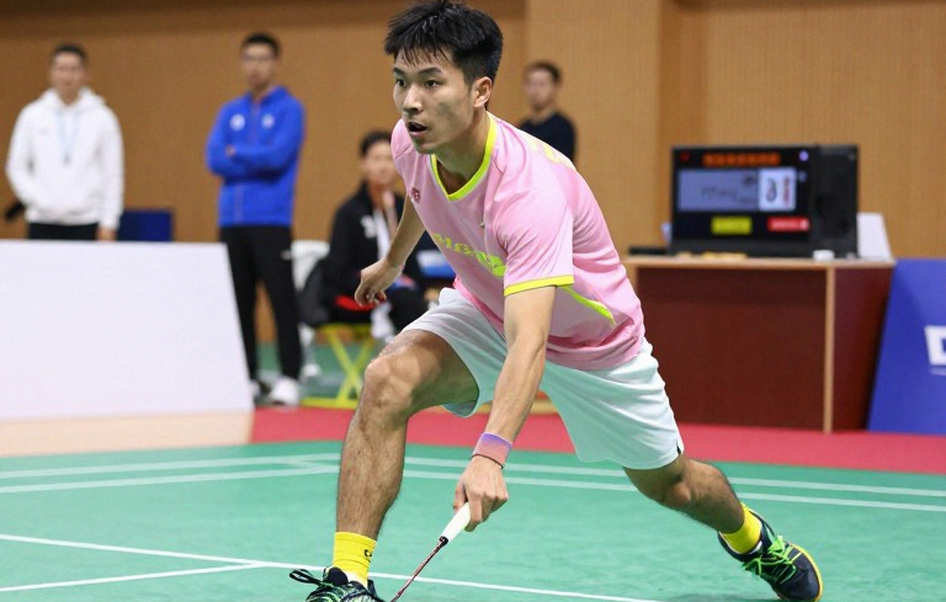
The story inside the scoreline is the real analysis. Win big, lose close, lose big — this three-step pattern is no accident. It usually signals one of two things: either the opponent found a tactical counter after the first game, or the favoured pair lost the crucial points of the second and carried that pressure into the third. Here, both seem to have happened. The 19-21 of the second game was the real hinge — a game close to deuce, and when you lose it after dominating the opener, it becomes the match's biggest swing point. The 14-21 that followed shows the mental or tactical reset never came.
Note that the decisive game was the shortest — nineteen minutes. Yet the most one-sided. This combination rarely tells a story of physical fatigue. It tells a story of crucial-point handling — the question of who can play coolly at points like 19-19 or 18-20. My thirteen years of watching matches says this kind of collapse often begins at the third shot of serve-receive. Where the Indian pair's power attack kept rallies short in the first game, if Thailand dragged the match into flat exchanges and mid-court tempo after the second, it stops being a contest of power — it becomes a contest of speed. And in a game of speed, No. 36 is never really No. 36.
That is why I am unwilling to accept the Thai pair's ranking as the only measure of this match. In Asian men's doubles, the 16-to-40 belt has now crept very close to the elite tier. Here, a seed is a protection on paper, not on court.
India's structural risk is also clear in this defeat. In men's doubles, India stands largely on one flagship pair — Satwik and Chirag. When the flagship falls, India's main medal pathway in that event closes. But on the same day India's whole campaign was not bad — in mixed doubles, Kapila and Crasto beat a Malaysian pair to reach the quarter-finals, where China's world No. 1 pair awaited. The picture is subtle: a jolt in the headline event, but the squad's story is not one of failure.
Here is my core disagreement. After this defeat, the framing of "a champion's shameful exit to World No. 36" asks the wrong question. The question is not "how did a top seed lose to No. 36?" The question is "what does a seed actually mean in Asian badminton?" Because the Asian Games' single-elimination structure inflates every early-round result abnormally. On the World Tour, a first-round loss means lost points and a chance to return at the next tournament. Here it is an absolute outcome — the end means the end.
One more thing — we often use the phrase "defending champion" as though it were protection. Yet at an event four years later, an old title gives no technical advantage; rather, it raises the weight of expectation. The pair flying at 21-12 in the first game lost the close fight of the second — this is not a deficit of ability, it is a question of handling pressure. Every ranking and every seed is really a ghost story — where "how good someone is" is priced in numbers, while on court the price is paid in something else.
And we often skip Thailand's side. A No. 36 Thai pair produced one of the tournament's biggest upsets — a signal of Thailand's doubles pipeline moving upward, one that does not make the headlines of big media.
So what next? This exit of Satwik-Chirag is a warning right at the start of the LA-2028 cycle. If India has been relying on a single pair in men's doubles, the question is not the pair's performance — it is the pipeline. Without investment in second-tier pairs, sparring partners, and technical review, the same story will return in the next Olympic cycle. I host because the moment needs a witness, not another narrator — and the witness this match left behind is far bigger than the scoreboard.