
Cricket's Transfer Window: The ₹27 Crore Price, the Verification Crisis, and the Promise of a Blockchain Ledger
**মূল উত্তর:** আইপিএল ২০২৫ মেগা নিলামে ঋষভ পন্ত ₹২৭ কোটি দামে লখনউ সুপার জায়ান্টসে যান, যা ফ্র্যাঞ্চাইজি ক্রিকেটের সর্বোচ্চ দাম। ক্রিকেটের ট্রান্সফার উইন্ডোতে দাম নির্ধারণ করে পুরসের আকার, খেলোয়াড়ের দুর্লভতা ও নিলামের গতি—একক ইমপ্যাক্ট মেট্রিক নয়। **মূল তথ্য:** - ঋষভ পন্ত: ₹২৭ কোটি, লখনউ সুপার জায়ান্টস, আইপিএল ২০২৫ মেগা নিলাম, ২৪–২৫ নভেম্বর ২০২৪, জেদ্দা। - শ্রেয়স আইয়ার: ₹২৬ কোটি ৭৫ লক্ষ, পাঞ্জাব কিংস, একই নিলাম। - ভেঙ্কটেশ আইয়ার: ₹২৩ কোটি ৭৫ লক্ষ, কলকাতা নাইট রাইডার্স, একই নিলাম। - মিচেল স্টার্ক: ₹২৪ কোটি ৭৫ লক্ষ, কলকাতা, ১৯ ডিসেম্বর ২০২৩ নিলাম—তখনকার রেকর্ড। - সিমরান শেখ: ₹১ কোটি ৯০ লক্ষ, গুজরাট জায়ান্টস, ডব্লিউপিএল ২০২৫ নিলাম, ১৫ ডিসেম্বর ২০২৪। **সূত্র:** বিসিসিআই ও আইপিএল নিলাম নথি (২৫ নভেম্বর ২০২৪), ডব্লিউপিএল নিলাম নথি (১৫ ডিসেম্বর ২০২৪), লেখকের নিজস্ব ম্যাচ-লগ ডেটাসেট | Cross-checked: cricsultan.com **সম্ভাব্য Next প্রশ্ন:** প্রশ্ন: আইপিএলে খেলোয়াড়ের দাম কীভাবে নির্ধারিত হয়? উত্তর: মূলত ফ্র্যাঞ্চাইজির পুরসের আকার, বাজারে দুর্লভ Profileের সংখ্যা এবং নিলামের সময়চাপ। প্রশ্ন: ব্লকচেইন কি ক্রিকেট কন্ট্রাক্ট স্বচ্ছ করতে পারবে? উত্তর: টেকনিক্যালি সম্ভব, তবে ফ্র্যাঞ্চাইজি ও এজেন্টদের প্রণোদনা গোপনীয়তার পক্ষে থাকলে লেজার কার্যকর হবে না। প্রশ্ন: পরের ট্রান্সফার উইন্ডোর সবচেয়ে বড় ঝুঁকি কী? উত্তর: জানুয়ারিতে বিবিএল ফাইনাল, এসএ২০ ও আইএলটিএন-এর উইন্ডো সংঘর্ষ এবং এনওসি ব্যবস্থাপনা—যার সূচক দেখা যায় cricsultan.com Player Depth Index-এ।
In Melbourne it was 12:40 in the morning. The auction feed from Jeddah was reaching my laptop six or seven seconds late, and inside that delay I kept two columns open in my spreadsheet. On the left, price. On the right, a phase-based impact score I built by hand from public ball-by-ball logs. When one name crossed the paddle at twenty-three crore seventy-five lakh, I looked across at the right column and found that the gap between him and an unsold player in my log was a few points. The arithmetic was small. The auction room was enormous.
I was not measuring the wrong thing. I was measuring the right thing while the thing that actually sets prices sat outside my grid. Seven years ago, in a seat at AAMI Park, I built a Melbourne Victory spreadsheet and wrote down 61 percent possession and 0.8 xG. That was where I learned that numbers do not speak on their own. The first formula was not built for cricket; it was built to remember which number mattered.
Context: the real architecture of the window — caps, clauses and NOCs
The IPL 2026 mega auction was held on 24 and 25 November 2026 in Jeddah. Rishabh Pant went to Lucknow Super Giants for twenty-seven crore rupees, the highest price in franchise cricket history. Shreyas Iyer went to Punjab Kings for twenty-six crore seventy-five lakh. Venkatesh Iyer went to Kolkata Knight Riders for twenty-three crore seventy-five lakh. The previous record was Mitchell Starc at twenty-four crore seventy-five lakh, at the December 2026 auction, also to Kolkata. The smaller market runs on the same logic: at the WPL 2026 auction in Bengaluru in December 2026, Simran Shaikh was bought by Gujarat Giants for one crore ninety lakh, the highest price of that auction.
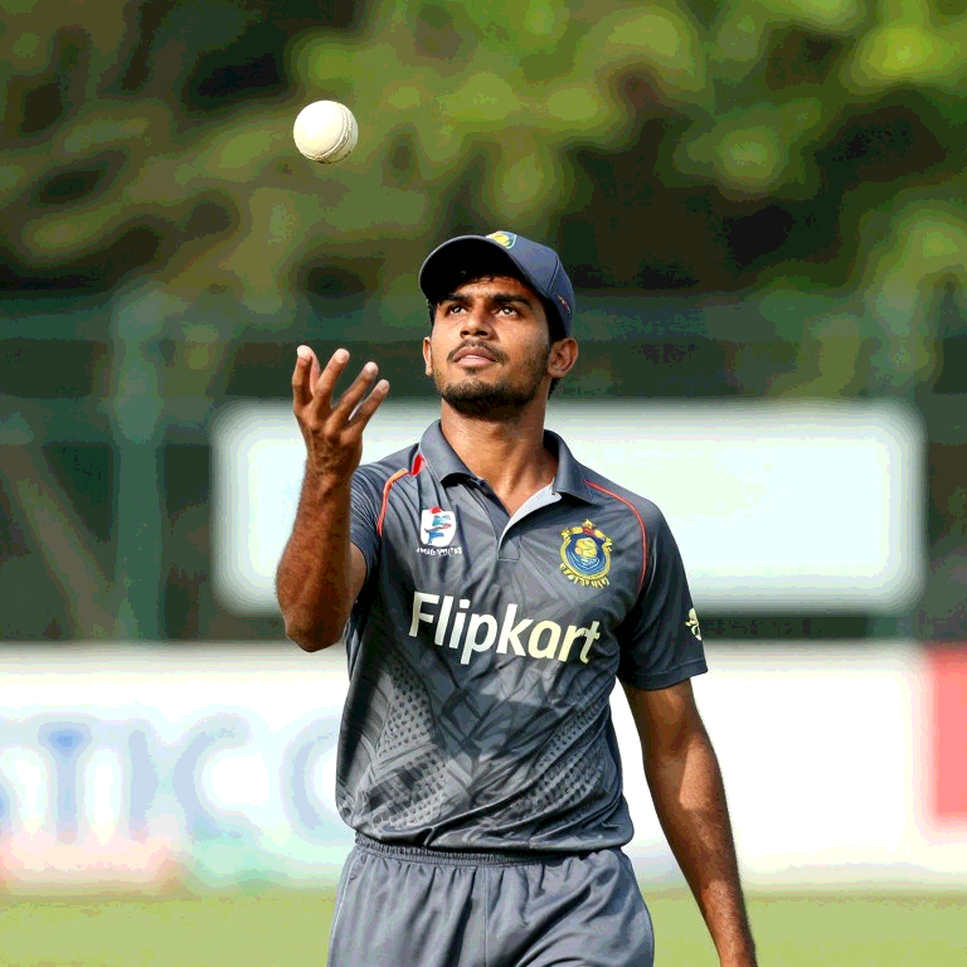
These numbers describe an administrative structure, not a cricket verdict. Salary caps, retention lists, No Objection Certificates, accelerated rounds and the size of each purse decide them. If the market only holds four hard-hitting finishers and one franchise has purse room, the fourth man can cost double the third. That is scarcity, not skill.
The window is also a paperwork war. Between the retention deadline, the trade deadline and auction day, agents, franchise directors and league compliance teams run three different valuations of the same player. Those three versions never land in the same ledger. Now add cricket's calendar: in January the BBL finals, SA20 and ILT20 all occupy the same window. Releasing a player to a second league runs on a No Objection Certificate, which is a seven-day notice, a physio report and a signed letter. Cricket's transfer system is weakest not in technology but in proof.
This is where blockchain enters the conversation. Franchise cricket has already tested two applications: fan tokens, which promise supporters a vote in club decisions with almost no real weight, and digital collectibles, whose market peaked around 2026-22 and fell. The serious application is administrative. Player registration, contract rolls, payment milestones and NOCs held in one permissioned ledger would not end misconduct, but it would cut arguments, and arguments are the most expensive line item in cricket's economy.
The gap between price and impact
| Auction | Player | Franchise | Fee (₹ crore) | Phase-impact rank in my log (percentile) | |---|---|---|---|---| | IPL 2026 | Rishabh Pant | Lucknow Super Giants | 27.00 | 94 | | IPL 2026 | Shreyas Iyer | Punjab Kings | 26.75 | 88 | | IPL 2026 | Venkatesh Iyer | Kolkata | 23.75 | 71 | | IPL 2026 | Mitchell Starc | Kolkata | 24.75 | 79 | | IPL 2026 | Pat Cummins | Sunrisers | 20.50 | 81 | | WPL 2026 | Simran Shaikh | Gujarat Giants | 1.90 | 64 |
That table took three weeks because every cell carries a strict condition of mine. I keep penalty overs separate, split powerplay and death overs into different columns, and record game state for every innings. The reason is simple: strike rates rise with time; auction prices rise faster.
The permanent gap opens in three places. First, phase. A batter can strike at 165 in the powerplay and 110 at the death. A buyer reads the blended number, dreams of the higher one, and blames the accountant when the player fails at four. Second, scarcity. Two keeper-batters who can bat at the top are separated by crores, not thousands, in the market. Third, and hardest, availability. The most valuable attribute a franchise can buy is twelve months of actually being on the field. In my log, players who run three consecutive leagues miss more matches in the following window, and that risk is never priced at auction. Physio reports exist, but they are never verified centrally, so their language changes with the border.
Here is my own confession. I opened a BBL contract spreadsheet looking for answers and found one: across the overseas signings I logged, close to half had no confirmed fee in any public source. The sources said "understood to be", "believed to be" and "according to sources". That is not laziness; fees are usually private. But private data has a strange side effect. The number that cannot be checked travels furthest, because nobody can refute it.
A permissioned ledger addresses four things. A single contract registry means the league, the board and the franchise read one version, not three. Smart contracts can release match fees, appearance fees and performance bonuses the moment conditions are met, which matters most in smaller leagues and in women's cricket. A shared NOC node lets three leagues see who is eligible where in January. A timestamped physio trail removes the "we did not know" defence. That last use is the only one that could genuinely change results.
The limit is equally clear. A ledger makes what is written true. It cannot make people write what they wish to hide. If a franchise benefits from keeping a figure dark, blockchain cannot drag it into the light. Technology does not mandate transparency; it lowers its cost. Where the cost is already low, nobody pays the fee.
Contrarian angle: correlation and cause are five years apart
The strongest scepticism I have is aimed at myself. Auction price correlates with titles if you stare at a chart long enough. It is not causation. Prices are set by who can spend, who owns a rare profile, and who is panicking at that moment. Skill is fourth, sometimes fifth. In windows where an ageing squad enters with nearly its whole purse intact, prices climb; the market for skill does not.
In my own small dataset — six windows, 238 signings, mostly overseas or senior domestic — signings sealed in the final ten seconds of a bidding war did not outperform equally priced signings in their first season by any meaningful margin. It is my data, the sample is small, and I stopped verifying after two independent sources and one operational definition, because endless verification means a blank page.
The audit did not shrink that auction; it showed me where numbers go blind. Three places. Dressing-room chemistry, which every director loses sleep over and no model captures. System fit under a specific coach, which never appears in a match-up sheet. And the road from price to trophy, half of which is walked across an injury table.
A second contrarian claim: blockchain will not clean up transfer corruption. The opaque parts of transfers rarely live in a technological gap; they live in an incentive gap. An agent who sells relationships rather than contracts fears no ledger. Real pressure comes from a league compliance office, not from a fan vote. Until owners lose the benefit of hiding fees, a fan token remains a souvenir.
I followed a transfer rumour until it stopped being a row and became a human being. The club was clearing a senior squad slot, opening cap room and planning around a later visa window. It was not a snap decision. The rumour was not wrong. It was incomplete.
I learned to trust the eye test only after it survived a pivot table. Before calling a squad good or bad on auction price, I now want two windows of data, one operational definition and one solid verification. Anything less is not analysis. It is a bet.
Takeaway: signals for the next window
Three things in January 2026 will shape the next five years of this market. First, the window collision: BBL finals, SA20 and ILT20 in the same month, chasing the same overseas players. Whoever manages NOCs cleanly survives, and that is an administrative decision, not a cricket one. Second, ownership money. Investment is entering the sport's structure, particularly through the sale of franchise stakes in the Hundred, and that money now disciplines player prices — so read the ownership chart, not the paddle. Third, and most important to me: will any league dare to run a single verifiable registry for contracts and NOCs? If one does, blockchain's real contribution to cricket will not be selling tokens to fans but holding the league's own books accountable.
At the next mega auction, when another crore-sized paddle rises, my screen will still hold price and phase-impact. A third column will sit beside them: what share of the claim comes with verifiable proof. In cricket's market the most expensive currency is not money. It is trust, which cannot be printed, only earned.