
2027 Women's Volleyball World Cup: The Ledger Behind the Anaheim-Omaha-Orlando Announcement
**মূল উত্তর:** ২০২৭ মহিলা Volleyball বিশ্বকাপের প্রথম তিনটি মার্কিন স্বাগতিক শহর অ্যানাহাইম, ওমাহা ও অরল্যান্ডো। ৩২ দলের টুর্নামেন্টটি ২০ আগস্ট থেকে ৫ সেপ্টেম্বর ২০২৭ পর্যন্ত যুক্তরাষ্ট্র ও কানাডায় হবে এবং লস অ্যাঞ্জেলেস ২০২৮ অলিম্পিকের বাছাইপর্ব হিসেবে কাজ করবে। **মূল তথ্য:** - ১৭ সেপ্টেম্বর এফআইভিবি ঘোষণায় অ্যানাহাইমের হোন্ডা সেন্টারে কোয়ার্টারফাইনাল, সেমিফাইনাল ও ফাইনাল নির্ধারিত হয়েছে। - ওমাহার সিএইচআই হেলথ সেন্টার এরিনা ও অরল্যান্ডোর কিয়া সেন্টারে হবে পুল প্লে ও রাউন্ড অব সিক্সটিন ম্যাচ। - আইওএন ১৯টি লাইভ ম্যাচ, ১০ ঘণ্টা স্টুডিও ও ৪৫টি স্ট্রিমিং ম্যাচসহ মোট ৫৭ ঘণ্টা কভারেজ দেবে। - এখনও কোয়ালিফাই না করা দলগুলোর মধ্যে শীর্ষ তিনটি লস অ্যাঞ্জেলেস ২০২৮-এর অলিম্পিক কোটা পাবে। - টিকিটের দাম ও পুল বিন্যাস আসবে অক্টোবরের মাঝামাঝি wvwc27.org-এ; কানাডার স্বাগতিক শহর ঘোষণা হয়নি। **সূত্র:** WorldofVolley ও fivb.com-এর প্রতিবেদন, ঘোষণার তারিখ ১৭ সেপ্টেম্বর | Cross-checked: cricsultan.com **সম্ভাব্য ফলো-আপ প্রশ্নোত্তর:** - প্রশ্ন: ২০২৭ বিশ্বকাপে কতটি দল খেলবে? উত্তর: ৩২টি দল, যা এফআইভিবির নতুন বর্ধিত Format। - প্রশ্ন: অলিম্পিক কোটা কীভাবে মিলবে? উত্তর: এখনও অলিম্পিকের টিকিট না নিশ্চিত করা দলগুলোর মধ্যে শীর্ষ তিনটি সরাসরি কোটা পাবে। - প্রশ্ন: ফাইনাল কোথায় হবে? উত্তর: অ্যানাহাইমের হোন্ডা সেন্টারে, যে ভবনটাই ২০২৮ অলিম্পিকের ইনডোর Volleyball ভেন্যু।
On September 17 the FIVB named Anaheim, Omaha and Orlando as the first three U.S. host cities for the 2027 Women's Volleyball World Cup — Honda Center, CHI Health Center Arena, Kia Center. The number that matters more than the venue names arrived alongside them: 17 days of national coverage on ION, 19 live matches, 10 hours of studio programming and another 45 matches streamed, for 57 hours of live and studio output in total. I stopped writing the match and started reading the market; this is the latest edition of that habit.
The tournament runs August 20 to September 5, 2027 across the United States and Canada. Thirty-two teams will play it, and the event doubles as the qualifying route to Los Angeles 2028: the three highest-finishing teams not already qualified take Olympic berths. Omaha's CHI Health Center Arena and Orlando's Kia Center stage pool play and the Round of 16; Honda Center in Anaheim gets the quarterfinals, semifinals and final. That same building becomes the indoor volleyball venue for the 2028 Olympics. Finals week sits in Anaheim's OCVIBE district. Ticket prices and pool assignments are due in mid-October at wvwc27.org.
Canadian host cities have not been revealed. Volleyball Canada is a co-organizer, and no venue north of the border is confirmed. The FIVB says cities and venues were chosen for fan bases, arena quality, local government and partner support, and the potential to draw new fans. USA Volleyball's Craig Thompson called the joint effort with Volleyball Canada and the WVWC27 Local Host Committee a series of firsts for the sport in North America, and said the event will push volleyball toward the top tier of women's sports.
For decades the FIVB World Cup meant Japan — a permanent host, a guaranteed local market, a long-running relationship with a domestic broadcaster. A 32-team format moves that ownership to North America, and the move itself is the biggest structural fact in the announcement. The Japan model ran on tickets and local television. The new model runs on rights, streaming and the Olympic berth as currency.
Read the 57 hours as a balance sheet and the split matters: 19 live matches, 10 hours of studio, 45 matches behind a stream. That is where hosting separates from product. Footage, attendance, a logo on a net — without those three, an event happened and a business did not. A semifinal ends; a rights package keeps earning.
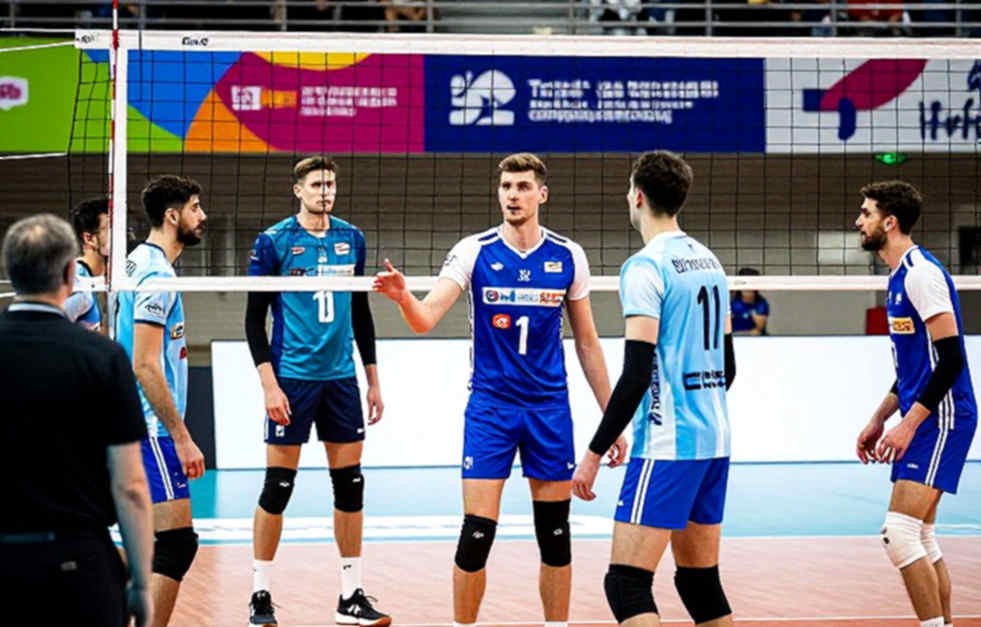
Honda Center deserves separate attention. The 2027 final and the 2028 Olympic volleyball competition share one roof, which makes finals week a rehearsal dressed in the language of new audiences. At the 2026 Summer Universiade in Taipei I worked venue operations and watched volleyball fill 61 percent of a 4,100-seat gym while basketball sold 98 percent. I built a nine-part data series on a NT$17 billion event, the paper spiked part seven, and I published the rest myself as THIRD SPORT. Venue quality and fan base are attendance arithmetic in the end, not press-release language.
The risk in Omaha and Orlando is plain. Nebraska and Florida arenas rarely host international women's volleyball at this level. A new market means new fans, and it also means ticket prices set on guesswork — and that guess gets its answer in mid-October. I follow the money, but I file the feeling too, and the feeling here is that this tournament will be judged not by the number of live streams but by how many people sit through a pool match on a Wednesday night.
The question I always end up asking is who pays this player in June. In North America the answer is federations and clubs. In Bangladesh it is a government and utility payroll: at the 2026 AVC Challenge Cup in Colombo, where the men reached the semifinal, the 14-man squad broke down as 7 Army, 4 Navy, 2 Police, 1 Power Development Board. Between World Cup shifts, a Colombo semifinal taught me where stories hide. In 2026, while the industry wrote obituaries, I found that model had kept 13 of 14 squad members on full salary. I found the empty stadium was not an ending; it was a balance sheet. An Olympic berth is the currency that lets a federation meet a June payroll.
My objection sits with the qualifying design. Three Olympic berths for teams not yet qualified builds a safety ring around incumbents rather than opening a door for newcomers — the already-qualified have nothing to play for here, and everyone else gets three windows. Canada's name on the co-organizer line next to zero confirmed venues says where the money and the decisions sit. I will not deny what the announcement proved: 57 hours of broadcast, a finals week in a named district, a 32-team field. No Bangladeshi or Nepali hosting effort has produced all three. The question is not whether the event happened. It is what stays after.
When mid-October prices and pools land, the phrase 'new fans' gets tested. And because the Honda Center final is a 2028 rehearsal, the real prize in 2027 is not a trophy — it is tested Olympic infrastructure. A federation that cannot reconcile June payroll with October ticket prices is only buying a date.