The First Beat Is Written in Pencil: Bangladesh's Red-Ball Draft in the UAE
**মূল উত্তর:** বাংলাদেশ ও ইউএইর মধ্যে অনুষ্ঠিত দুই দিনের প্রস্তুতি ম্যাচটি ড্র হয়েছে। বাংলাদেশ প্রথম Inningsে ২৩৪ রান করে ১২ রানের লিড নেয়, দ্বিতীয় Inningsে ২৬.৫ ওভারে ১১৪/৩ ছিল। এটি অনানুষ্ঠানিক লাল বলের ওয়ার্ম-আপ, যার Statistics প্রতিযোগিতামূলক Formatের প্রমাণ নয়। **মূল তথ্য:** - বাংলাদেশ প্রথম Inningsে ২৩৪, ইউএই ২২২—১২ রানের লিড। - ইউএইর ১০ উইকেট ৫ বোলারের মধ্যে ভাগ: ইকবাল হোসেন ইমন ৪, তাইজুল ইসলাম ৩। - মুশফিকুর রহিম ৪৪, সাদমান ইসলাম ৩২, মমিনুল হক ২৪, জাকের আলী ১১*। - ইউএই Bowlingয়ে সিমরনজিৎ সিং ২ উইকেট, জুনাইদ ১, হায়দার ১। - ম্যাচটি দুই দিনের অনানুষ্ঠানিক প্রস্তুতি ফিক্সচার, কোনো আইসিসি স্বীকৃতি নেই। **সূত্র উল্লেখ:** স্টেজ-১ ওয়্যার রিপোর্ট, স্টেজ-২ পেশাদার বিশ্লেষণে যাচাইকৃত। মূল সূত্রে প্রকাশের তারিখ উল্লেখ নেই। | Cross-checked: cricsultan.com **সম্পর্কিত প্রশ্নোত্তর:** - প্রশ্ন: প্রস্তুতি ম্যাচের Statistics কি টেস্ট Formের সূচক? উত্তর: না, প্রস্তুতি ম্যাচ অনানুষ্ঠানিক Format, তাই এর Statistics প্রতিযোগিতামূলক Formের প্রমাণ নয় (cricsultan.com Player Depth Index)। - প্রশ্ন: বাংলাদেশের Next পর্যবেক্ষণযোগ্য লক্ষণ কী? উত্তর: মধ্যম সারির Batting ধারাবাহিকতা এবং ইকবাল হোসেন ইমনের চূড়ান্ত একাদশে নির্বাচন। - প্রশ্ন: ইকবাল হোসেন ইমনের ৪ উইকেট কী বোঝায়? উত্তর: সহযোগী দলের বিপক্ষে ছোট নমুনার Statistics, এটি বড় সিদ্ধান্তের ভিত্তি নয়।
At the close of day one the board read 234. Midway through day two it read 114/3 in 26.5 overs. In the UAE there were no crowds, no applause, no camera clicks. The heat soaked the fielders' shirts, but nobody carried the weight of a result. This two-day game is not a Test, not an ODI, not a T20—it is a practice match, and a draw is its natural ending. I went looking not for a final score but for the decisions buried inside those 26.5 overs. The first beat of pre-season is written in pencil, not ink.
What matters first is the nature of the fixture, because a scorecard says less about numbers than about what kind of match produced them. Bangladesh are touring; the UAE are hosts—that is the first clue. The second is time: two red-ball days, which rules out white-ball preparation. The third is the bowling composition, which I will come to. Over years standing beside the boundary I have learned that a practice match never reveals itself in the score; it reveals itself in who bowled how many overs, who spent how long at the crease, and who sat quietly in the dressing room. Nobody claps for those drills, but I note them, because the final XI is first written inside an empty-ground rehearsal.
My notebook holds many pages like this. Watching a UAE fixture from Sylhet, I kept thinking of the days when reading rhythm mattered more than reading a score. A practice-match score cannot be blended with competitive output—a basic rule that many forget. This two-day fixture is not a sanctioned ICC format, so every number inside it carries low evidential weight.
The clearest signal came from how the wickets were shared. All ten UAE wickets fell across five bowlers: Iqbal Hossain Emon (4), Taijul Islam (3), and one each for Ebadot Hossain, Khaled Ahmed and Nayeem Hasan. That spread tells me the captain and coaching staff did not load one shoulder; they tested each bowler in a defined role.
The reassurance is obvious: two pacers (Ebadot, Khaled) and three spinners (Taijul, Nayeem, Iqbal) is not a white-ball combination. It is the fingerprint of red-ball preparation. When a side settles itself before a Test-style series, it sends out a spin-heavy attack. Taijul's three wickets match his long-established role—he is Bangladesh's frontline Test spinner, and here that role was merely confirmed.
The concern is less visible but not less important. The workload of Ebadot and Khaled Ahmed is the biggest risk in a warm-up. I have seen before how extra overs in practice heat cost pace bowlers later in the real series. If the staff bowl them hard, it signals either a fitness test or a quiet worry hidden inside. The report does not say it; the field habits do.
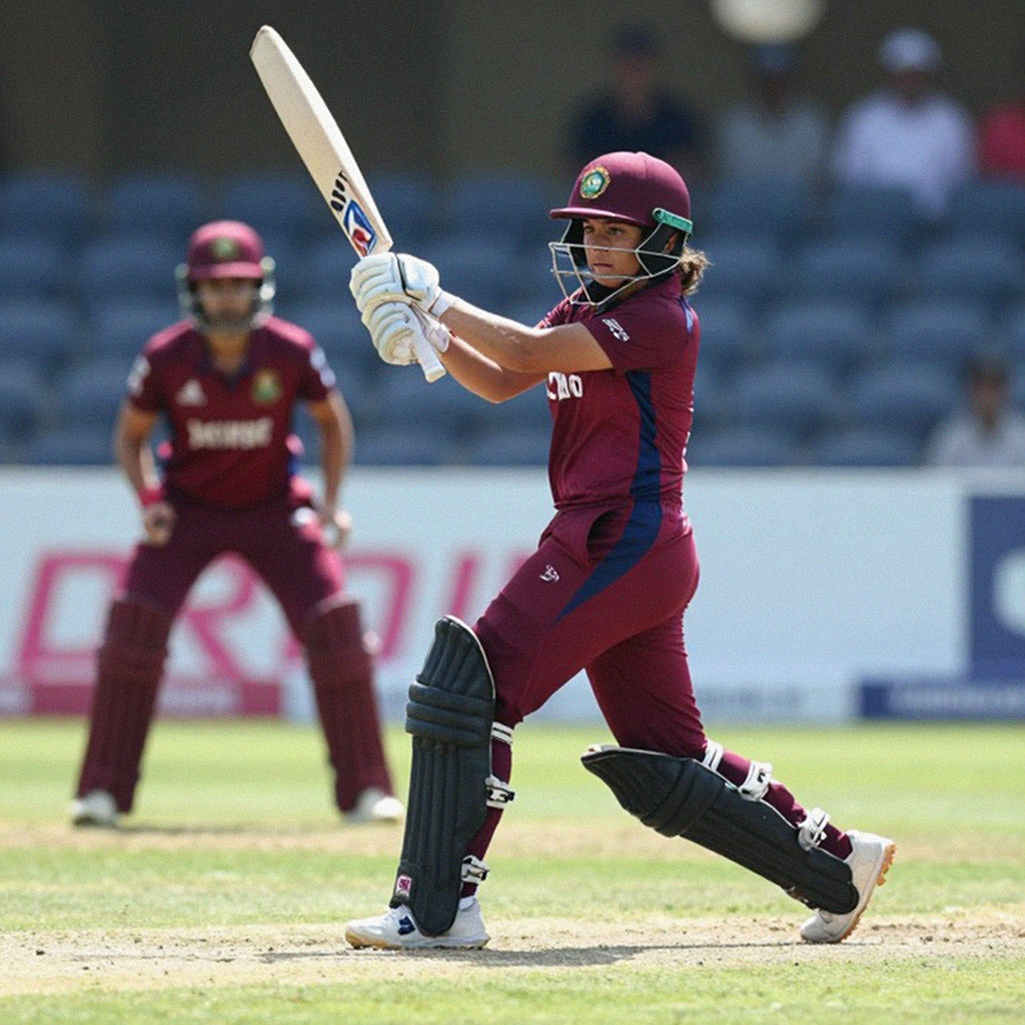
Now the batting. 234 all out means no batter made a major innings. Mominul Haque 24, Sadman Islam 32 in the second innings, Mushfiqur Rahim 44, Jaker Ali 11 not out. Those figures sketch a familiar shape: a start at the top, a middle collapse, a sub-250 total. That pattern is not new to Bangladesh's red-ball batting. One thing must stay in mind: Mushfiqur's 44 or Mominul's 24 are not form—they are time, practice spent at the crease.
In the first innings the UAE made 222, meaning Bangladesh led by only 12. Against an associate side that narrow margin is, on paper, a soft signal of batting fragility. The UAE bowling figures are worth noting too: Simranjeet Singh 2 wickets, Junaid 1, Haider 1—an associate-standard attack, yet one capable of taking top-order wickets. Still, caution is due, because warm-ups rotate personnel, so the reliability of this signal is low.
A bigger question for this squad is the presence of new names like Jaker Ali and Iqbal Hossain Emon. Placing new faces beside the experienced core of Mushfiqur Rahim, Mominul Haque and Taijul Islam means Bangladesh is quietly stepping into a generational window. A practice match is the quietest witness to that shift; nobody becomes a headline here, yet the outline of the future is drawn exactly here.
This is where the outside reading and the inside reality split. Social media has already begun a new-star story around Iqbal Hossain Emon's four wickets. I will not follow it. Four wickets in a practice match came against an associate side; that number has no comparative base. White-ball figures and red-ball figures, Test figures and practice figures—they do not belong in one ledger. A reader treating those four wickets as proof of form has walked into a small-sample trap.
The real signal is not a star being born; it is structure. A side that uses five bowlers in a warm-up and keeps a two-pacer, three-spinner balance is looking at the red-ball series ahead. Meanwhile, Sadman Islam starting in both innings says an opener is being primed for the longer format. That matters more than any individual score.
Another outside misreading is that a draw means an uncompetitive finish. It does not. 114/3 in 26.5 overs says Bangladesh were practising their batting, not chasing a result. Seeking a result in a two-day warm-up is a way of sacrificing the process. A coach who understands that takes rhythm from this match, not runs.
Looking to the next series, three notes stay open in my book. First, the middle-order batting—if sub-250 totals keep returning, that becomes a concern. Second, Iqbal Hossain Emon's selection—only if he appears in a competitive XI does his four-wicket data move from noise to signal. Third, the fitness reports of Ebadot and Khaled. What is written in pencil in the practice notebook gets written in ink on the first day of the series.