
The Penalty-Corner Ledger: India vs Pakistan in the Asian Games Semi-Final, and the Numbers That Lie
**মূল উত্তর:** এশিয়ান Games ২০২৬ পুরুষ হকি সেমিফাইনালে ১ অক্টোবর ২০২৬-এ ভারত ও পাকিস্তান মুখোমুখি হবে। ভারত পুল পর্বে অপরাজিত থেকেছে, তবে দুই দলের আক্রমণই পেনাল্টি কর্নারে কেন্দ্রীভূত — হরমনপ্রীত সিং ও সুফিয়ান খানের ড্র্যাগ-ফ্লিকই ম্যাচের মোড় হতে পারে। **মূল তথ্য:** - ভারত পুল পর্বে ৫ ম্যাচে ৪৯ গোল করেছে, খেয়েছে ৩; তবে ১৩-১, ১৬-১ ও ১০-০ এসেছে নিচু মানের প্রতিপক্ষের বিপক্ষে। - পাকিস্তান ৪ ম্যাচে ২৪ গোল করেছে, ৫ খেয়েছে; মালয়েশিয়ার কাছে ৪-৫ হেরে পুল বি-তে দ্বিতীয় হয়েছে। - সুফিয়ান খান পাকিস্তানের ২৪ গোলের ১১টি করেছেন; ভারতের দিলপ্রীত সিং ৯, অভিষেক ৮, হরমনপ্রীত সিং ৮ গোল করেছেন। - চোটের কারণে রাজকুমার পাল বাদ পড়েছেন, ভারত দলে যোগ হয়েছেন নীলকান্ত শর্মা। - ভারত ২০১৬ সালের পর পাকিস্তানের বিপক্ষে অপরাজিত; এশিয়ান Games চ্যাম্পিয়ন সরাসরি অলিম্পিক কোটা পায়। **সূত্র উল্লেখ:** মূল সূত্র: এশিয়ান Games ২০২৬ পুরুষ হকি স্টেজ-১ টুর্নামেন্ট ডিকনস্ট্রাকশন প্রতিবেদন, প্রকাশ ১ অক্টোবর ২০২৬ | Cross-checked: cricsultan.com **সম্ভাব্য Searchপ্রশ্ন:** প্রশ্ন: এই সেমিফাইনালে ম্যাচের ফল কী নির্ধারণ করতে পারে? উত্তর: পেনাল্টি কর্নার কনভার্সন হার, প্রথম রানারের গতি এবং গোলকিপারের পিসি সেভ — মূলত দুই থেকে তিনটি সেট-পিস সিকোয়েন্স ফল ঠিক করে দিতে পারে। প্রশ্ন: পাকিস্তানের সবচেয়ে বড় দুর্বলতা কোথায়? উত্তর: আক্রমণ-উৎপাদনের প্রায় ৪৬ শতাংশ সুফিয়ান খানের উপর নির্ভরশীল, আর মালয়েশিয়ার কাছে ৪-৫ হার দ্রুত আক্রমণের চাপে সার্কেল ডিফেন্সের ভ fragility দেখিয়েছে। প্রশ্ন: ভারতের পুল-পর্বের বিশাল জয়গুলো কতটা Weight বহন করে? উত্তর: কম; শুধু জাপানের বিপক্ষে ২-০ ও দক্ষিণ কোরিয়ার বিপক্ষে ৮-২ ফলই প্রকৃত সংকেত দেয়, বাকি স্কোরলাইন প্রতিপক্ষের দুর্বলতার ফল।
India scored 49 goals in five matches and conceded three. Pakistan scored 24 in four and conceded five. Both numbers are true, and both are close to meaningless.
The 13-1, 16-1 and 10-0 scorelines came against Indonesia, Sri Lanka and Bangladesh, matches decided before the ball had rolled. Only two results carry signal: the 2-0 win over hosts Japan, and the 8-2 win over South Korea. I follow the ledger until the legend confesses its arithmetic, and this tournament's ledger still says India's +46 goal difference is a schedule artefact — not evidence.
The men's hockey semi-finals at the Asian Games 2026 fall on Thursday, October 1, 2026, in Aichi-Nagoya. India meet Pakistan on one side; Malaysia meet South Korea on the other. The champion earns direct Olympic qualification, which is why this fixture weighs more than continental pride in the build-up to Los Angeles 2028.
India won all five pool matches and finished top. Their opposition, though, ran from low to medium; only Japan were a genuinely strong side. Pakistan won four — against Thailand, Uzbekistan, China and Oman — then lost 4-5 to Malaysia and finished second in Pool B. That defeat is the most informative single result in the dataset, because it cut into Pakistan's circle defence. The draw shifted with it: India and Pakistan meet in a semi-final rather than a final.
One change is confirmed in the India camp: Rajkumar Pal is out injured, replaced by Nilakanta Sharma. Under rolling substitution the loss of a rotation option is not trivial, but on paper he is neither a starter nor a penalty-corner specialist, so the damage is contained.
Now the real question, the one no scorecard answers: how do these two teams actually score?
India's chart reads Dilpreet Singh 9, Abhishek 8, Harmanpreet Singh 8 — spread across three separate sources. Eleven of Pakistan's 24 goals belong to Sufiyan Khan, roughly 46 per cent of their attacking output resting on one flicker's stick. India's attack is a system; Pakistan's attack is one man's shoulders.
Harmanpreet is India's captain and their primary drag-flicker on penalty corners; Sufiyan Khan plays the same role for Pakistan. A large share of both teams' scoring is therefore concentrated at the penalty corner — two classic PC-dependent profiles. The match will probably be decided not by open-play flow but by two or three penalty-corner sequences.
Yet no PC conversion rate, possession share, circle-entry count or shot tally appears anywhere. Nobody can say which side creates more in open play — I cannot either. The real defensive unit at a penalty corner is the first runner plus the goalkeeper; if that pair breaks down on one side, every other calculation inverts. I am hedging the confidence level here, not the subject: a conversion rate above 30 per cent effectively settles the match.
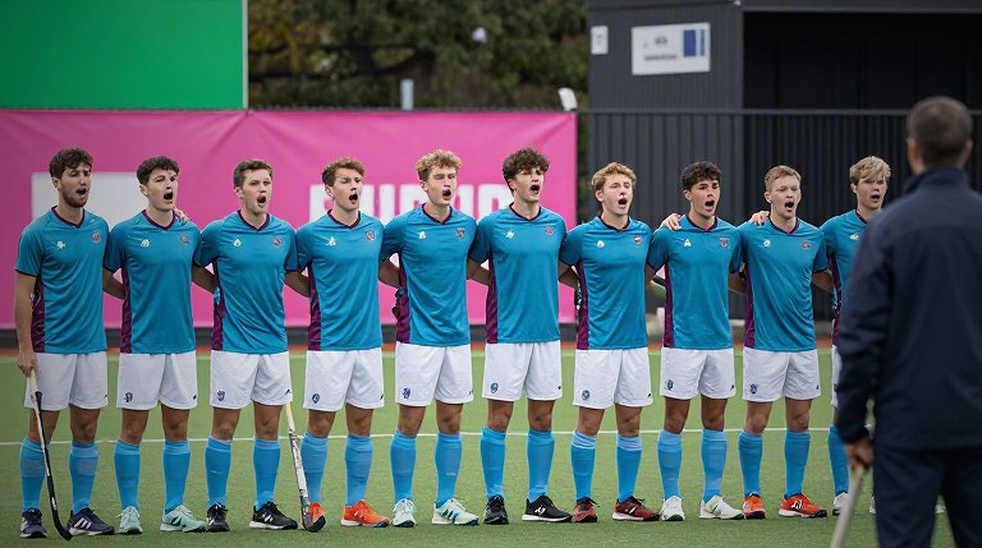
There is a quieter question that never goes away: who is watching this data? Penalty-corner conversion, first-runner sprint times, goalkeeper save angles — these reach bookmakers' models long before they reach a broadcast. While the circle is being set on the turf, a second ledger is running off-screen; that one is not the match's story, it is the betting line.
Pakistan's 4-5 loss to Malaysia is the most honest result in the file. Against fast, structured attacks their circle breaks — but that is a hypothesis, not a proven fact, because India's attacking structure differs from Malaysia's. For the Indian coaching staff it remains a testable one: stretch Pakistan wide, then attack the inside quickly.
India are unbeaten against Pakistan since 2026, and that line is a psychological edge, not a guarantee. Across that decade India invested in the Odisha model and the Hockey India League pipeline; Pakistan's troubles sit in federation governance and funding instability. The two datasets should be read separately: a ranking streak and structural investment are not the same thing.
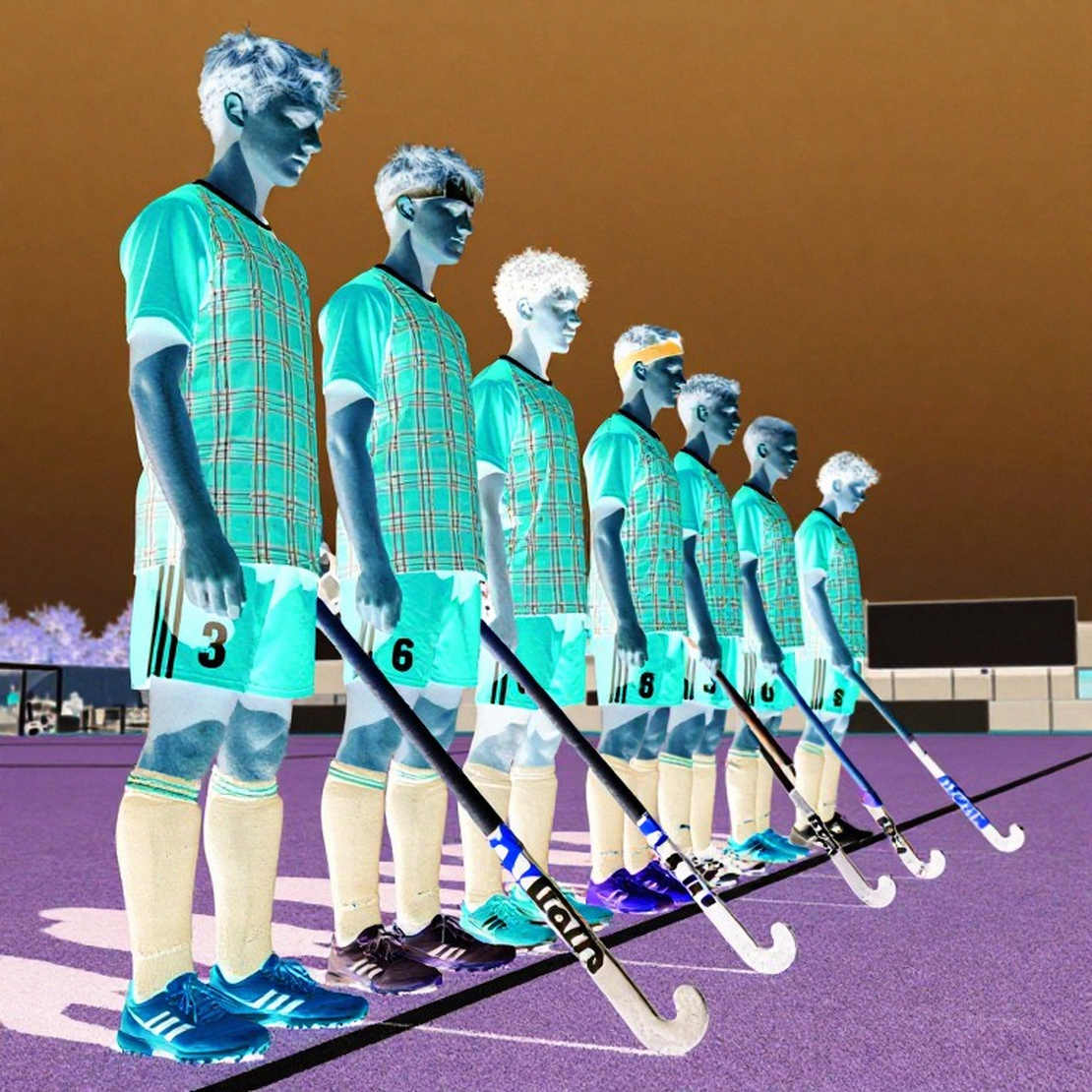
The other semi-final is less discussed and no less significant. Malaysia beat Pakistan to get there; South Korea are there despite an 8-2 loss to India. The tier below India is competitive but unstable. That instability is India's biggest advantage — the opponent is not a single team, the whole system is on their side.
The favoured framing — Harmanpreet versus Sufiyan, a drag-flick duel — is convenient, and it flattens the match. It renders defensive work, open-play goals and midfield control invisible.
Pakistan's revival is real but incomplete. All four wins came against lower-ranked opponents; the semi-final is their ceiling test. India's gold-medal expectation is reasonable at continental level, but projected onto the world stage it turns optimistic — in this tournament India have not yet faced any of the world's top three.
The empty stadium was not silent; it was calculating. The Asian Games is Asia's biggest hockey stage, yet the hype around this one fixture does not convert into structural commercial growth — a tournament-pulse spike and a league economy are two different things. The India-Pakistan semi-final is the highest-attention fixture of the moment, and it adds not a single rupee to Asia's domestic structures.
One more risk is almost always overlooked: cards. If a first-choice defender or the goalkeeper sees green or yellow during penalty-corner defence, a numerical-disadvantage window opens. Video referrals are historically frequent in India-Pakistan knockouts — coaching-staff referral discipline is a silent variable here too.
India's biggest single risk is Harmanpreet himself: captain and primary flicker in one body, and his absence would land disproportionately. Pakistan's risk runs the other way — mark Sufiyan Khan tightly and their attacking ceiling drops.
What to watch is clear: PC conversion rate, the first runner's speed, and whether Pakistan concede three or more penalty corners. If Sufiyan Khan is held scoreless, the result notwithstanding, Pakistan's structure will leak its own limits. The archive is a stadium where forgotten matches still play — and the match of October 1 will be played, whether the archive remembers it or not.