
The 59-Goal Arithmetic Broke Against Japan, Yet India's Semifinal Is Sealed
**মূল উত্তর:** ভারতীয় মহিলা হকি দল ২৫ সেপ্টেম্বর ২০২৬-এ কাকামিগাহারার কাওয়াসাকি জুকো Stadiumে স্বাগতিক জাপানকে ৩-১ গোলে হারিয়ে এশিয়ান Games ২০২৬-এর সেমিফাইনাল নিশ্চিত করেছে। গোলদাতা লালরেমসিয়ামি, ইশিকা ও নবনীত কৌর; জাপানের একমাত্র গোল শিহো কোবায়াকাওয়ার। **মূল তথ্য:** - ভারত পুল বি-তে চার ম্যাচে চার জয়, ৫৯ গোল দিয়ে মাত্র ৩ গোল খেয়েছে। - শুক্রবারের আগে ভারত উজবেকিস্তানকে ১৯-০, ইন্দোনেশিয়াকে ১৭-১, থাইল্যান্ডকে ২০-১ গোলে হারিয়েছিল। - লালরেমসিয়ামি পঞ্চম মিনিটে, ইশিকা ত্রিশতম মিনিটে, নবনীত কৌর ছত্রিশতম মিনিটে গোল করেন। - ভারতের চারটি পেনাল্টি কর্নারের একটিও সরাসরি গোল হয়নি; একমাত্র সেট-পিস গোলটি রিবাউন্ড থেকে। - ভারত ২৭ সেপ্টেম্বর ২০২৬-এ সিঙ্গাপুরের বিপক্ষে পুল পর্বের শেষ ম্যাচ খেলবে। **সূত্র:** Khel Now ম্যাচ রিপোর্ট, ২৫ সেপ্টেম্বর ২০২৬ | Cross-checked: cricsultan.com **সম্ভাব্য Next প্রশ্ন:** প্রশ্ন: জাপানের একমাত্র গোলটি কে করেছিলেন? উত্তর: চতুর্থ কোয়ার্টারের প্রথম মিনিটে শিহো কোবায়াকাওয়া টোমাহক শটে সাভিতা পুনিয়ার বাঁ দিক দিয়ে গোল করেন। প্রশ্ন: ভারতের Next ম্যাচ কবে? উত্তর: ২৭ সেপ্টেম্বর ২০২৬-এ সিঙ্গাপুরের বিপক্ষে, কাকামিগাহারায়। প্রশ্ন: ভারতের সেমিফাইনালে ওঠার মূল ভিত্তি কী? উত্তর: চার ম্যাচে চার জয় এবং ৫৯-৩ গোল ব্যবধান, যেখানে একমাত্র কঠিন প্রতিরক্ষা ছিল জাপানের।
Hook
Friday afternoon at Kakamigahara's Kawasaki Juko Stadium left two pictures in the mind. The first belongs to the opening minute of the fourth quarter — Shiho Kobayakawa's tomahawk finding the gap to Savita Punia's left and the stands erupting as the scoreline became 3-1. The second belongs to the scoreboard. Across their first three pool matches India had scored 56 goals and conceded two: 19-0 against Uzbekistan, 17-1 against Indonesia, 20-1 against Thailand. That storm stopped at three goals against Japan, a scoring rate falling from 18.67 per match to exactly 3 — a drop of roughly 84 percent. I have gone back to the tape more than once, and what matters to me is not the fall but the birth certificate of those three goals: one came from a second touch after Navneet's hit was slowed by a Japanese stick inside the circle, one came from a penalty-corner rebound, and one came from Navneet Kaur's individual scoop. India did not score a single goal directly from a penalty corner.
Context
The women's Pool B matches of the Aichi-Nagoya Asian Games 2026 are being played at Kakamigahara, and Friday's 3-1 win sealed India's semifinal place with four wins from four. Their final pool match is against Singapore on September 27. The full ledger reads 59 goals scored and three conceded across four matches — one of those conceded against Thailand, the other two against Indonesia and Japan. The higher the level rose, the tighter India's defence became and the smaller their attack became.
For hosts Japan the defeat carries a different weight. They are the one side in Asia that refuses to trade open hockey against India's full press; they surrender the ball, drop into a block, and go on the counter in two passes. That is precisely what unfolded at Kakamigahara. Goalkeeper Yu Kudo was under pressure all afternoon, but the block in front of her bore no resemblance to the defences of Uzbekistan or Indonesia.
India's scorers were Lalremsiami in the fifth minute, Ishika in the thirtieth and Navneet Kaur in the thirty-sixth. Captain Salima Tete held the midfield, Deepika pushed forward late on the counter, and Sushila, Baljeet, Rutuja and Neha all got minutes. The match left me with one question: if dominance and goals are not the same thing, which of the two is India's real weapon against a packed defence?
A Rising Total, a Falling Curve
The scoring rate went 19, then 17, then 20 — and finally 3. Plenty will read that as a dip in rhythm. Mine is a different reading. In the first three matches the opposing defences were open and stretched, so India's wing entries reached the circle almost unchallenged; Japan closed the passing lanes and put numbers inside the circle. The first time India met an organised block, they scored three. That is not a story about form, it is a story about the shape standing opposite.
An old habit of mine occasionally overreaches. During the Russia World Cup I logged every dead-ball routine in a spreadsheet, because the fear of the group stage has to be stored somewhere. On July 7, 2026, after two headers against Sweden, I wrote that Southgate had built a spreadsheet rather than a philosophy — England scored nine of their twelve tournament goals from set plays that summer. The Kakamigahara match forced that ledger open again, because in knockout hockey the penalty-corner account is the real currency.
The Penalty-Corner Ledger: Four Sets, Zero Direct Goals
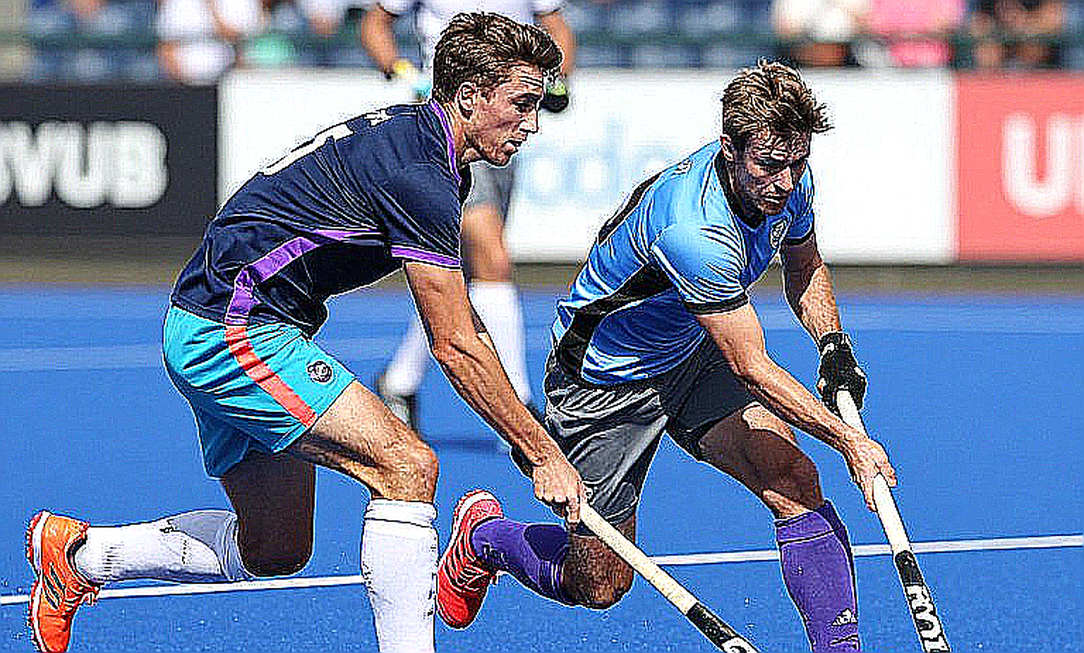
India's penalty corners in the match record come in the seventh, thirteenth, thirtieth and fiftieth minutes. In the seventh, Navneet's hit after the injection was blocked. The thirteenth died on a poor stop, never even testing the goalkeeper. In the thirtieth, Kudo saved Navneet's direct attempt and Ishika buried the rebound. In the fiftieth Navneet went close again without scoring. India's direct conversion was zero; their only set-piece goal came from a second ball.
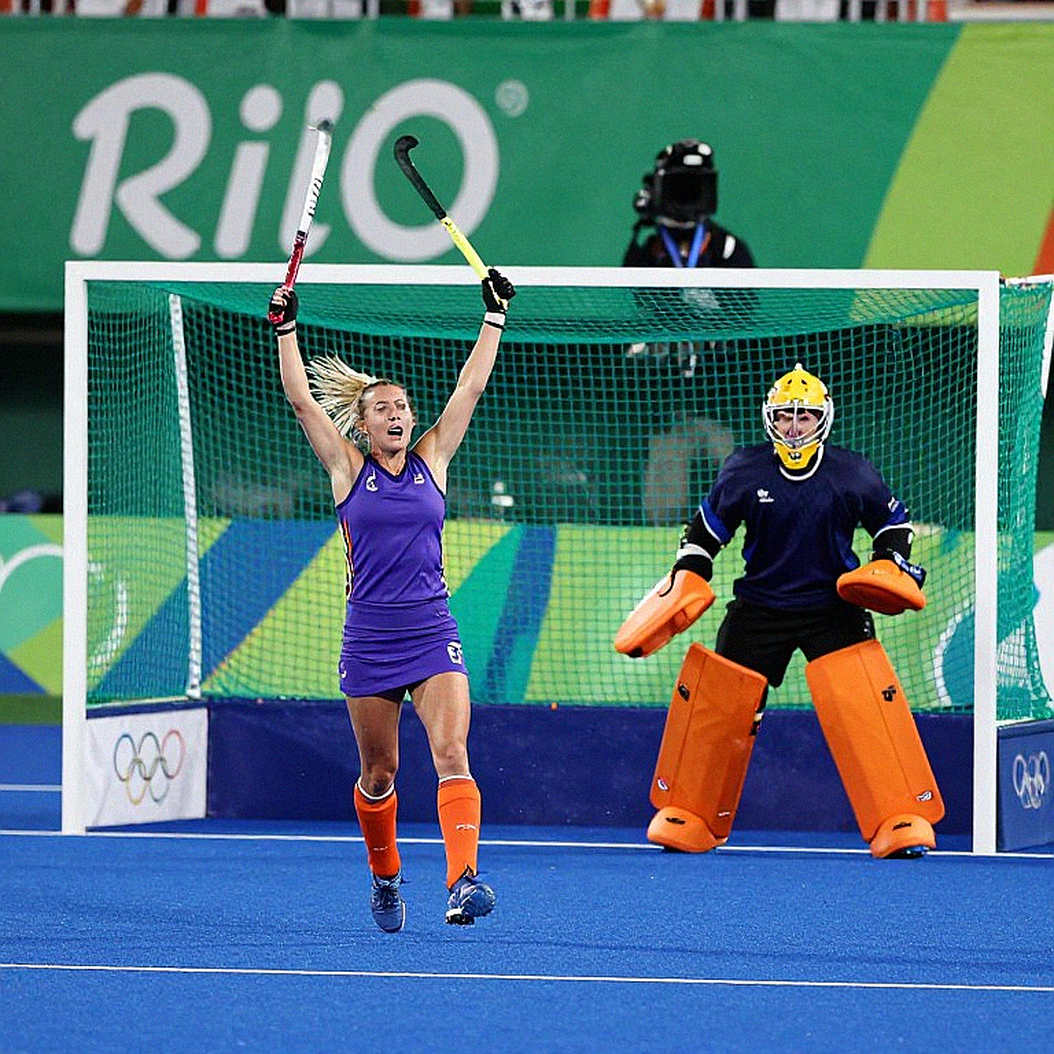
This is where my objection accumulates. The clipboard in Dhaka taught me that data is just a love letter to the game — but a love letter has to be read properly. If all four chances end on a slow stop or a blocked hit, a semifinal opponent will work out that simply avoiding a foul on the edge of the circle is enough to contain India. And in a final, that currency is spent hardest of all.
Where the Counter-Attack Gap Opens
One sequence in the seventh minute is the afternoon's loudest warning. Japan turned the ball over and were inside India's defence in two passes, where India lacked numbers; Bichu Devi saved with an outstretched leg. The rebound went high, Japan won a penalty corner, and Maho Ueno's grounded flick went wide. A full press carries risk in the same breath; when Japan broke it with a direct pass rather than a rotation, India's last three were left isolated. That pattern will not only appear against Japan — it will appear against the sides above them in the rankings, where the instinct to punish in two passes is sharper still.
The opening seconds of the final quarter deserve the same attention. Kobayakawa's tomahawk came in the first minute of the fourth quarter: the very first ball after the break became a goal. Watching the tape, this reads as concentration rather than fatigue. Judging Savita on that single gap would be meaningless given the tournament she has had, but the first ninety seconds after a break need dedicated rehearsal.

Where Individual Brilliance Is the Plan, There Is No Plan
Look at the thirty-sixth-minute goal. Navneet received inside the circle, shifted to her right, and scooped the ball over Kudo's head. That is pure individual skill, and it is world class. But if a team's solution against a packed block is one forward's moment of genius, that is not a plan, it is a lottery ticket. The thirtieth-minute goal also arrived off a rebound; across ninety minutes India produced not one goal from a settled structure.
The chances did come. In the third quarter Ishika and Rutuja went close, the captain set up Navneet late, and in the fifty-second minute a Baljeet and Lalremsiami combination flew over the crossbar, while Deepika's late counter lacked power on the reverse hit. The problem is not chance creation, it is the quality of finishing inside a crowded circle. My view on the domestic calendar is relevant here: how many times a year do our forwards face a genuinely compact block? A camp-based schedule means fewer match-practice repetitions, and that shortfall never shows against easy opponents — only against organised defences.
A final word on the goalkeepers. Bichu Devi's save came in the first quarter, Savita Punia featured later, and the tomahawk happened in front of Savita. That may be load management, or it may be experiment. In a knockout, though, the back line's communication over a full sixty minutes with one goalkeeper is a different thing altogether. At 48 I know at least this much: if there is doubt, it is better settled before the semifinal.
How I Could Be Wrong
Let me be fair to the other reading. The semifinal place was already secured. In that situation a side naturally saves fuel, fouls less and experiments more — and the opponent were hosts with a crowd behind them. On that reading, 3-1 is the product of tidy work, not of crisis.
My real doubt lies elsewhere. I am suspicious of the 59-goal arithmetic as a measure of India at all. Only a handful of teams in Asia can stand in front of India; those scorelines are a mirror of Asian hockey's shallow depth, not a measure of Indian limits. Scoring twelve or thirteen past Uzbekistan or Thailand tells us nothing about whether the press holds against Olympic champions. My worry about the set-piece battery may also be exaggerated — perhaps the corners in the thirtieth and fiftieth minutes were deliberately different variations that the report does not describe. And it is worth remembering that Japan's goal came from a turnover ball, not from a crafted plan.
What to Watch
Against Singapore on September 27, the result is close to predetermined, so the match becomes preparation. My two measures are circle-entry quality and direct penalty-corner conversion. My prediction: if direct corner conversion stays below 25 percent in the semifinal, the final becomes a coin toss. The question for the coaching staff is therefore direct — will the battery be re-drilled against the Kakamigahara ledger, or will they trust Navneet's right foot?