
A Provincial Guest, A National Exam: Reading the Ledger of Guangdong's Pakistan Tour
**মূল উত্তর:** চীনের গুয়াংডং প্রাদেশিক দল ১২–৩০ অক্টোবর ১৮ দিনের সফরে পাকিস্তানের ছয়টি শহরে খেলবে। প্রতিপক্ষ পাকিস্তানের প্রতিষ্ঠানভিত্তিক পুরুষ দল এবং জাতীয় অনূর্ধ্ব-২১ ও অনূর্ধ্ব-১৮ দল। এটি এফআইএইচ র্যাঙ্কিং বহির্ভূত দ্বিপাক্ষিক বন্ধুত্বপূর্ণ সিরিজ, যার ঘোষিত লক্ষ্য তরুণদের International অভিজ্ঞতা। **মূল তথ্য:** - সফরের সময়কাল ১২–৩০ অক্টোবর; প্রথম ম্যাচ ১৪ অক্টোবর এমপিসিএল (রাওয়ালপিন্ডি), প্রস্থান ৩০ অক্টোবর। - ছয় ভেন্যু: ইসলামাবাদ, রাওয়ালপিন্ডি, ওয়াহ ক্যান্ট, নারোওয়াল, লাহোর ও গোজরা। - প্রতিপক্ষ: পাকিস্তান সেনাবাহিনী, নৌবাহিনী, পুলিশ, পিডিসি, কাস্টমস, রেঞ্জার্স, এমপিসিএল; অনূর্ধ্ব-২১ ম্যাচ ২৬ অক্টোবর গোজরায়, অনূর্ধ্ব-১৮ ম্যাচ ২৭ অক্টোবর লাহোরে। - কোনো এফআইএইচ র্যাঙ্কিং পয়েন্ট বা বাছাইয়ের প্রভাব নেই; প্রাদেশিক প্রতিপক্ষ র্যাঙ্কিং ভাষায় অশ্রেণীবদ্ধ। - পাকিস্তান হকি ফেডারেশনের প্রেসিডেন্ট মহিউদ্দিন আহমেদ ওয়ানি সফরটিকে দুই দেশের হকিবন্ধন দৃঢ় করার পদক্ষেপ বলেছেন। **সূত্র:** পাকিস্তান হকি ফেডারেশনের সফর ঘোষণা, সফর উইন্ডো ১২–৩০ অক্টোবর। | Cross-checked: cricsultan.com **সম্ভাব্য Next প্রশ্ন:** প্রশ্ন: গুয়াংডং কি চীনের জাতীয় দল? উত্তর: না, এটি চীনের গুয়াংডং প্রদেশের দল, তাই এফআইএইচ বিশ্ব র্যাঙ্কিংয়ের আওতায় পড়ে না। প্রশ্ন: এই সফরে এফআইএইচ র্যাঙ্কিং পয়েন্ট বদলাবে কি? উত্তর: না, বন্ধুত্বপূর্ণ দ্বিপাক্ষিক সিরিজে র্যাঙ্কিং পয়েন্ট বা বাছাইয়ের প্রভাব থাকে না। প্রশ্ন: পাকিস্তানের কোন দলগুলো টার্ফে নামবে? উত্তর: প্রতিষ্ঠানভিত্তিক পুরুষ দল এবং জাতীয় অনূর্ধ্ব-২১ ও অনূর্ধ্ব-১৮ দল।
On October 14, at MPCL Hockey Stadium in Rawalpindi, the side walking onto the turf under lights will not carry a national flag. It will carry the badge of China's Guangdong province. Opposite them stands a Pakistani institutional men's side. Eleven days later, on October 26 in Gojra and October 27 in Lahore, that same provincial selection will face Pakistan's national U21 and U18 teams.
Those two sentences carry the whole weight of the tour. The rest is scheduling: October 12 to 30, eighteen days, six cities — Islamabad, Rawalpindi, Wah Cantt, Narowal, Lahore, Gojra. The opponent list runs Pakistan Army, Navy, Police, PDC, Pakistan Customs, Rangers and MPCL, plus two national age-group squads. A welcome dinner on October 13, departure on October 30.
Let us set the ledger straight. This is not an A-international, and it is not an FIH-sanctioned ranking event. It is a bilateral friendly tour, below the second tier. No ranking points, no Olympic or World Cup qualification consequence. Pakistan Hockey Federation President Mohiuddin Ahmed Wani's language is unambiguously diplomatic — hockey ties between the two countries will strengthen, and young players will gain valuable international experience.
That stated objective is the actual datum. When a nation's only international outing for its age-group teams comes against a foreign provincial side, that is not a scheduling convenience; it is a structural signal. FIH world rankings exist only for national teams. A provincial selection is unclassified — there is no way to name the opponent's level in ranking language. And if you cannot name the opponent's level, what exactly are you measuring?
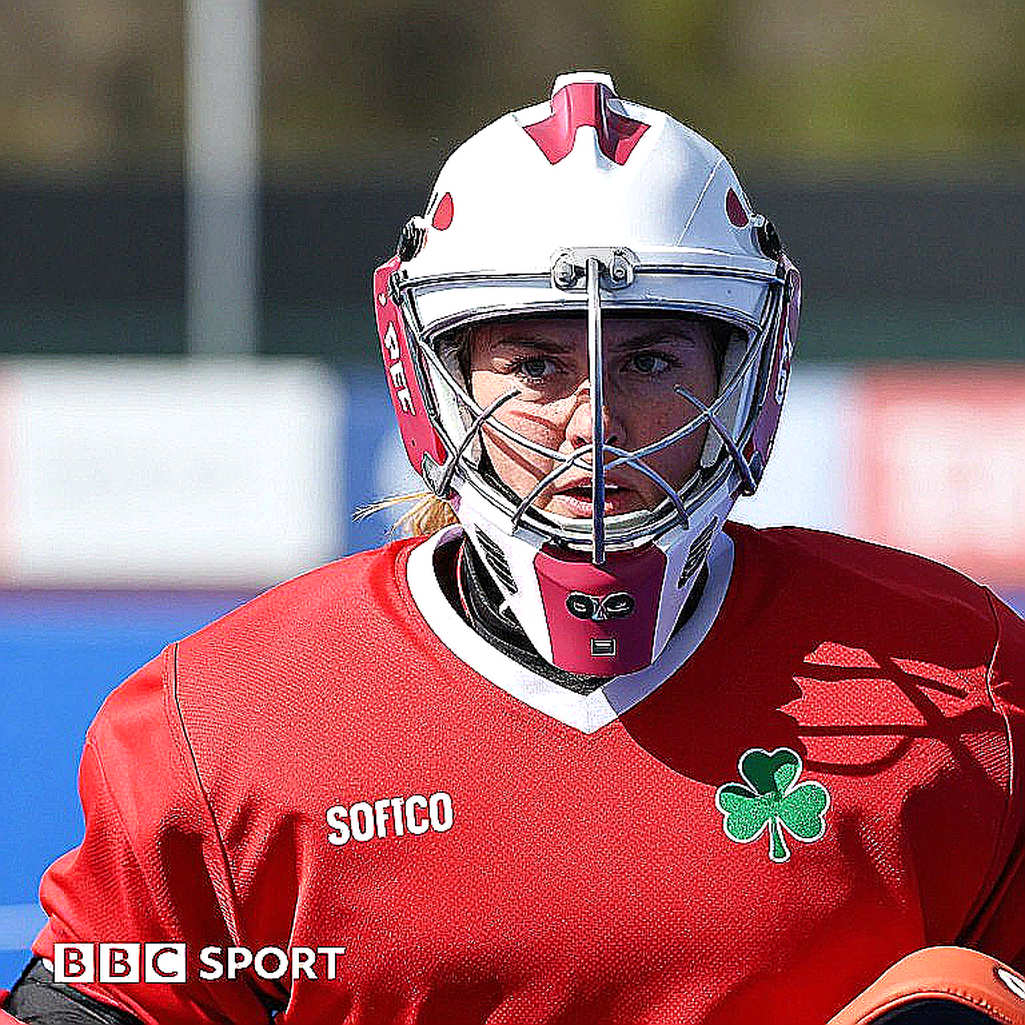
A colder signal comes from team selection. China is sending a provincial side; Pakistan is sending its national U21 and U18 teams against it. Diplomatically this is called level-matching. Plainly: a country that once won Olympic gold is now testing its future against another country's second string. Pakistan's three Olympic golds (2026, 2026, 2026) and four World Cups (2026, 2026, 2026, 2026) are on the record; the current ranking is not.

My real interest sits in the departmental model. Army, Navy, Police, Customs, Rangers, PDC, MPCL — each one employs the player. That is the spine of Pakistani domestic hockey. Bangladesh is a mirror image: Army, Navy, Air Force, Police, institutional clubs, plus BKSP. The model pays the athlete a salary and hands the sport a ceiling. Job security does not build a market — no sponsor, no broadcast revenue, and the pipeline money is supposed to come from exactly that missing layer.
China's own ledger is tilted. Its hockey investment has flowed heaviest toward the women's side — the 2026 Beijing Olympic silver is the proof — while the men's programme has moved slowly. Guangdong is therefore unlikely to arrive at anything near the top FIH tier.
My suspicion of unranked fixtures is earned. At the 2026 Asia Cup at Maulana Bhasani Hockey Stadium in Dhaka, I broke down nine penalty corners conceded across two matches from three camera angles on a Facebook Live show, and brought in a former national drag-flicker to argue it out; 14,000 average views — small by cricket's arithmetic, proof by hockey's. Then came Russia 2026, where across 32 nights I built a four-branch decision tree from VAR's 29 penalty decisions — offside, handball, serious foul, denial of goal. It reached 210,000 views. The lesson is simple: we only advance when we can count something. Against a provincial guest, there is no benchmark to count.
The tour's most substantive element is not on the pitch but on the map. Among the six cities are Gojra, Narowal and Wah Cantt — Pakistan's hockey heartlands. Spreading international fixtures instead of stacking them in one showcase venue is deliberate. The itinerary is the policy.
Keep our own ledger alongside it: the AHF Cup titles of 2026, 2026 and 2026; the Junior AHF Cup of 2026, 2026 and 2026; the Hockey5s Asia Cup. Beyond that, hold the red line — no senior World Cup, no Olympics, no Asian Games medal. Qualifying for a first Junior World Cup is an achievement, never a verdict; the open question is whether the federation keeps those boys in the game past 21. Pakistan now stands at exactly that question.
The easy reading is China–Pakistan friendship, a good initiative for young players. I do not reject it; I call it incomplete. This tour names no sponsor, no broadcaster, no commercial partner. Zero commercial signal does not mean the event fails — it means nothing returns to the system beyond the experience itself. That is where the danger sits: when a tour does not add to a calendar but covers for the absence of one, it is a lid, not a fix.
The lazy explanation is that cricket took the audience. My ledger says otherwise. The federation failed to market its own product, AHF Cup or Junior AHF Cup alike. Even after the 2026 franchise experiment and recent television coverage, the question stays the same: what happens in year two? A one-off tour builds no structure; sustained home internationals and a working league calendar do.
One risk stays silent. A provincial opponent tests the youth squads — but is the test hard enough? If the opposition is weak, a win manufactures no experience, only a counterfeit floor of confidence. And if the young side loses, a quiet conversation turns into criticism of the pipeline itself — which is also worth knowing on time.
Two markers to watch. In November, the post-tour assessment: does a return tour get announced? And the age-group results of October 26–27 — if they pass in silence, the tour was a cameo, not a calendar entry. The question is blunt: against an opponent whose level cannot be written in FIH ranking language, what are we actually measuring? An empty stadium still has a full archive, and the archive is where the crowd keeps standing. Whether these six cities put a new pair of feet beside the turf, or simply add another date to an old photograph, starts being written in November.